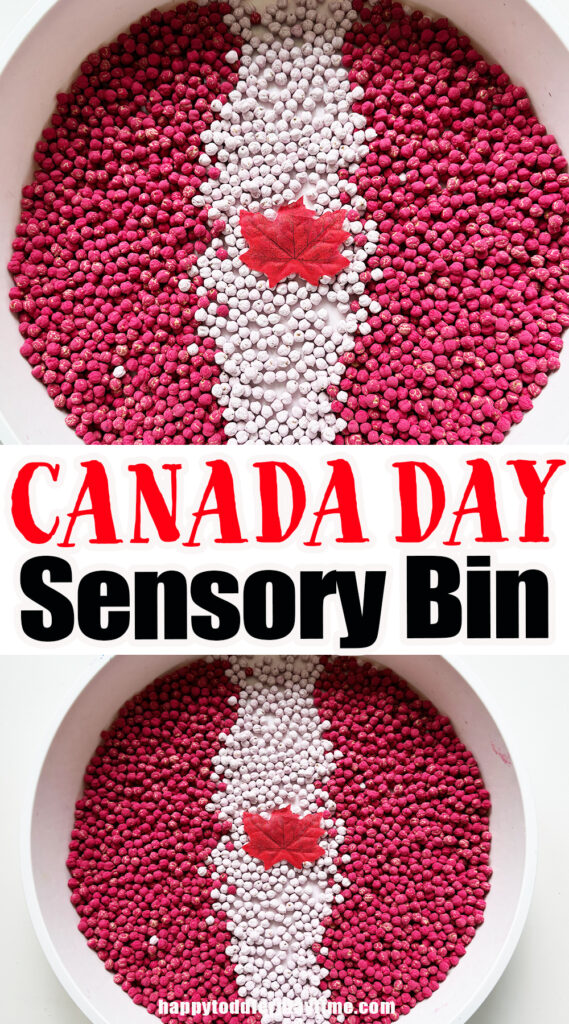


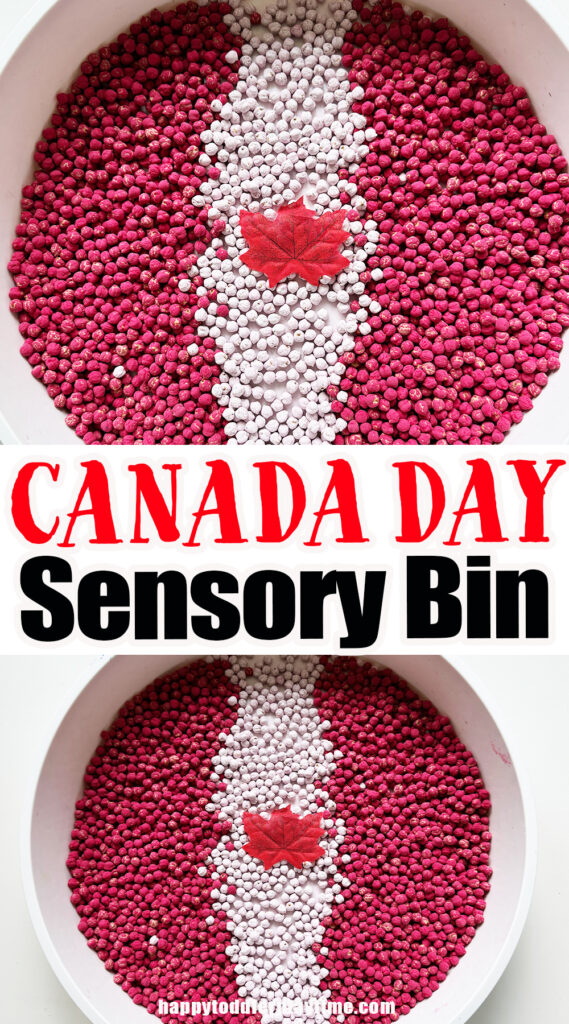
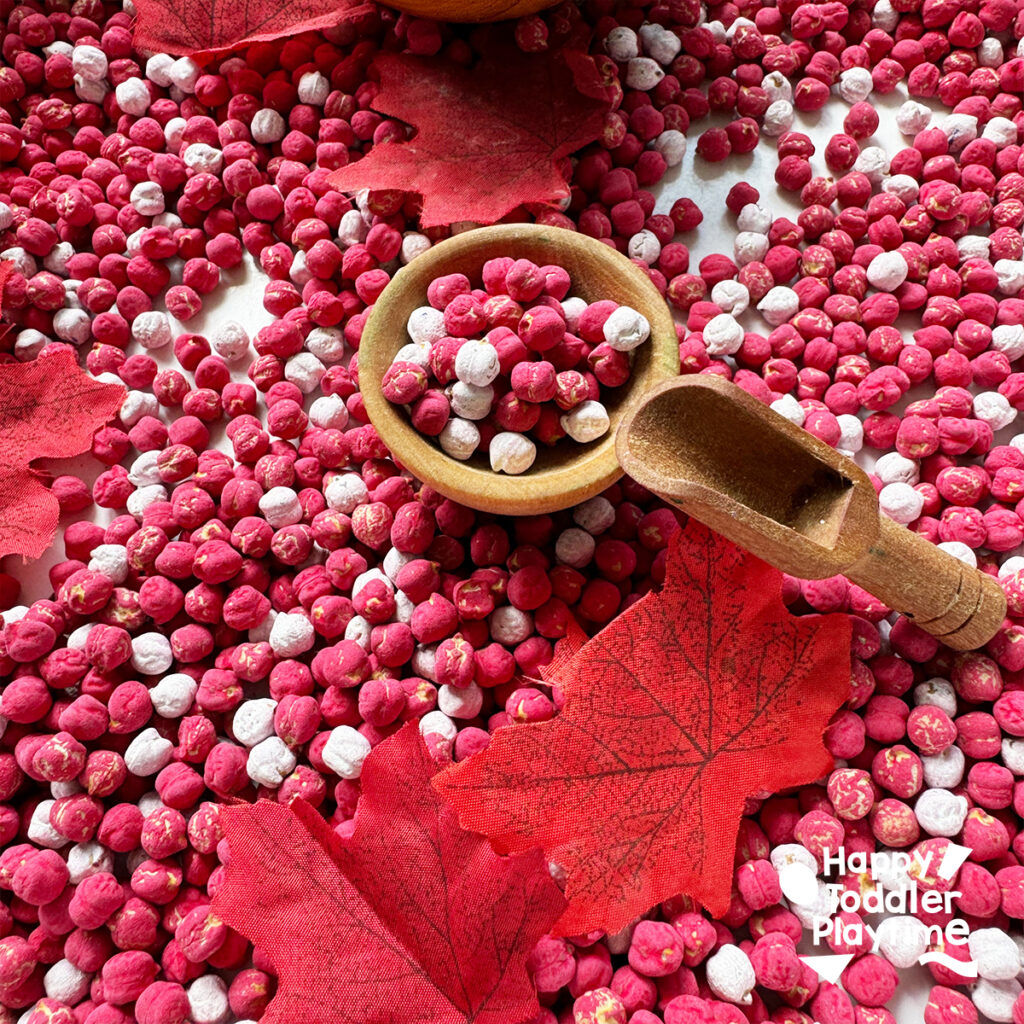
Hello! We are back with another fun Canada Day activity. This time we have a chickpea sensory bin for Canada Day. Kids will have a blast scooping, exploring, and using their imagination.
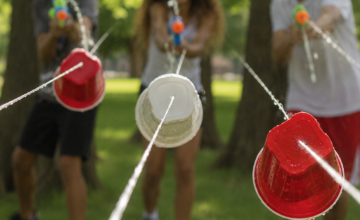
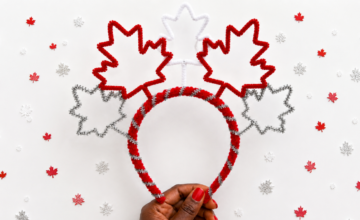
Check out these other fun Canada Day Activities:
Why You’ll Love this Sensory Bin
This DIY sensory bin is so easy to make. Sensory bins are great for teaching practical skills, play skills, fine motor skills, and for helping children use their imagination.
What kind of container to use for sensory bins
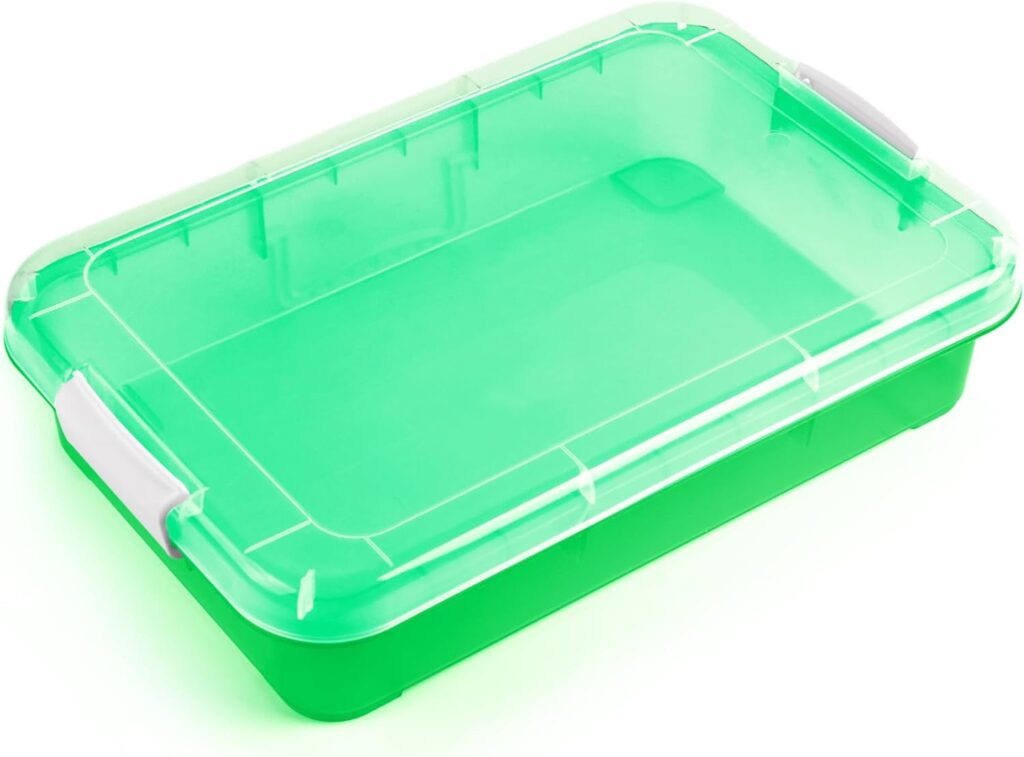
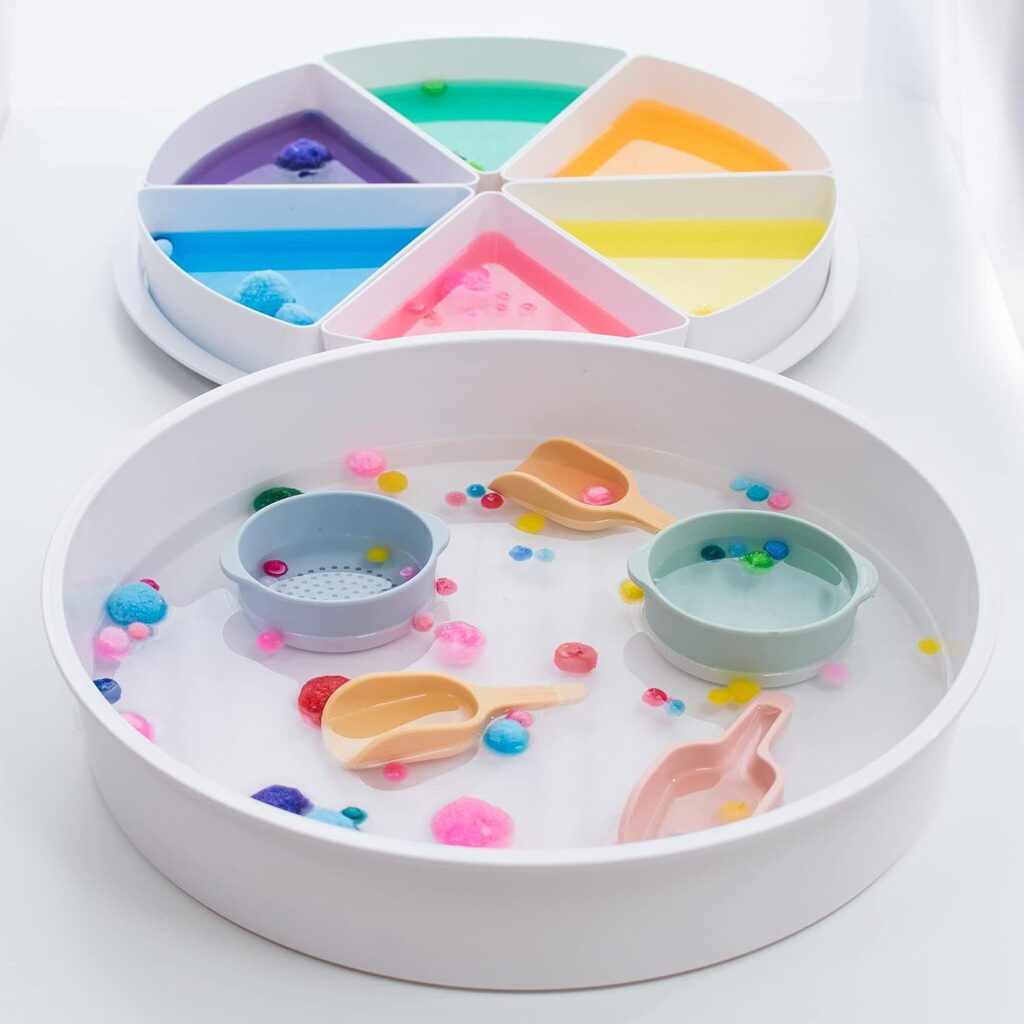
I usually use a large storage bin, the type you would use to store clothes under your bed. You can also use a water table or purchase a bin specifically designed for sensory play. I have linked the one that I liked to use below:
Supplies Needed
- Dried chickpeas
- Ziplock bag
- Tempera paint (red and white)
- Parchment Paper or wax paper
- Tray for Drying
- Sensory Bin
- Red maple leaves (artificial)
- Bowls, spoons or scoopers
How to Color Chickpeas (step-by-step guide)
- Fill a ziplock bag with dried chickpeas. Add several squirts of red tempera paint. Use a generours amount to get a vibrant color.
- Seal the bag and shake and massage until all the paint has been evenly disturbed.
- Open the bag and check the colour has been distributed evenly. Add more paint if some chickpeas are not entirely covered in paint.
- Tear off a sheet of parchment or wax paper and use it to line a baking tray. Spread the colored chickpeas on the tray in a thin layer so that they can dry quicker. Repeat for the white.
- Let the chickpeas air dry for about 1 hour (it may take more time depending on the amount of paint used). Once they are dry they are ready to play with!
How to Make the Sensory Bin
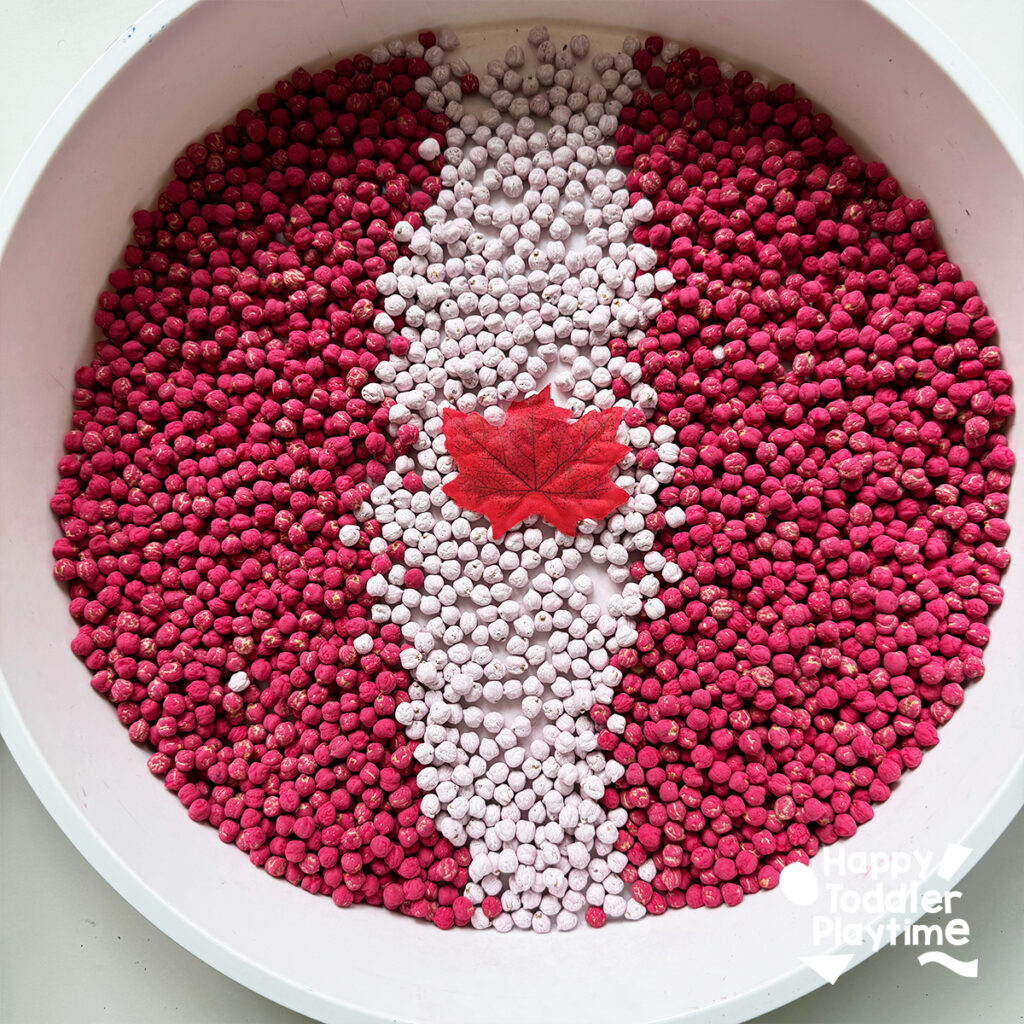
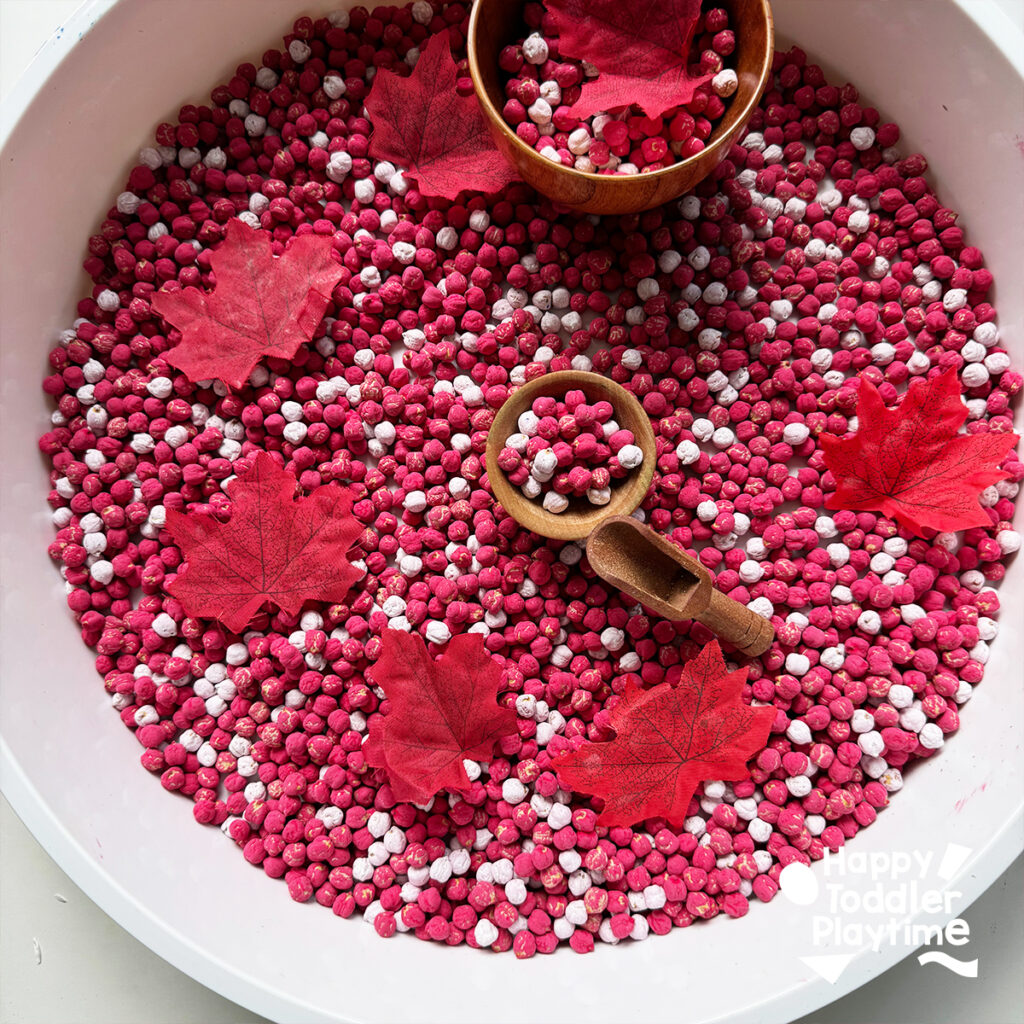
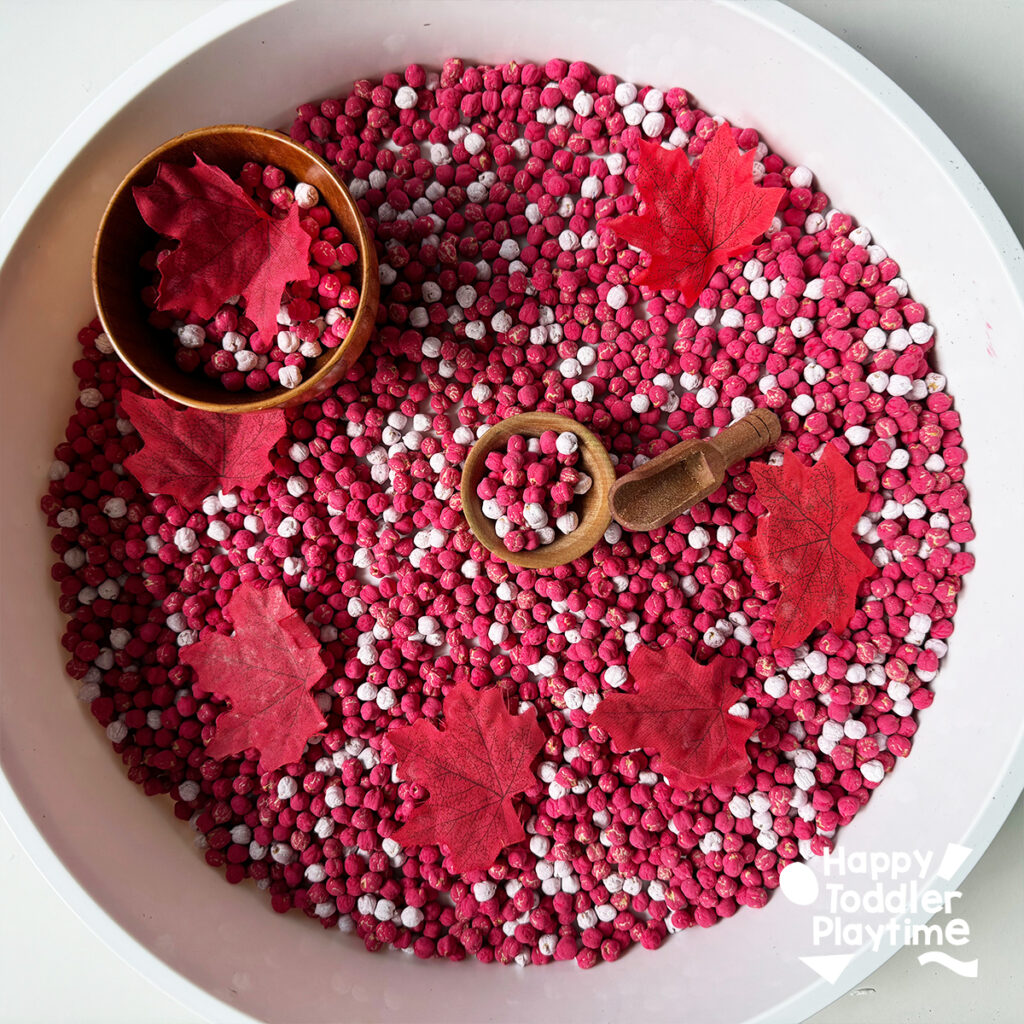
- Place the chickpeas in the sensory bin the pattern of the Canadian flag.
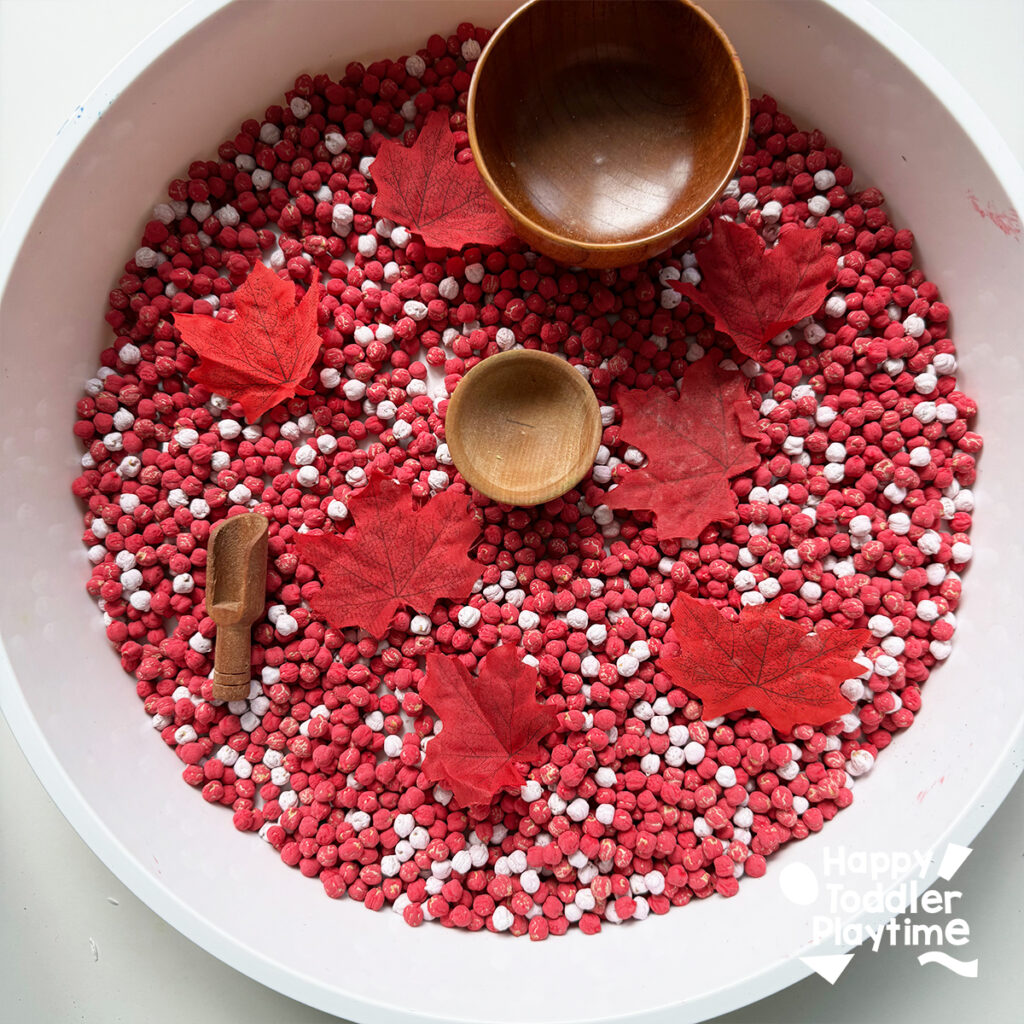
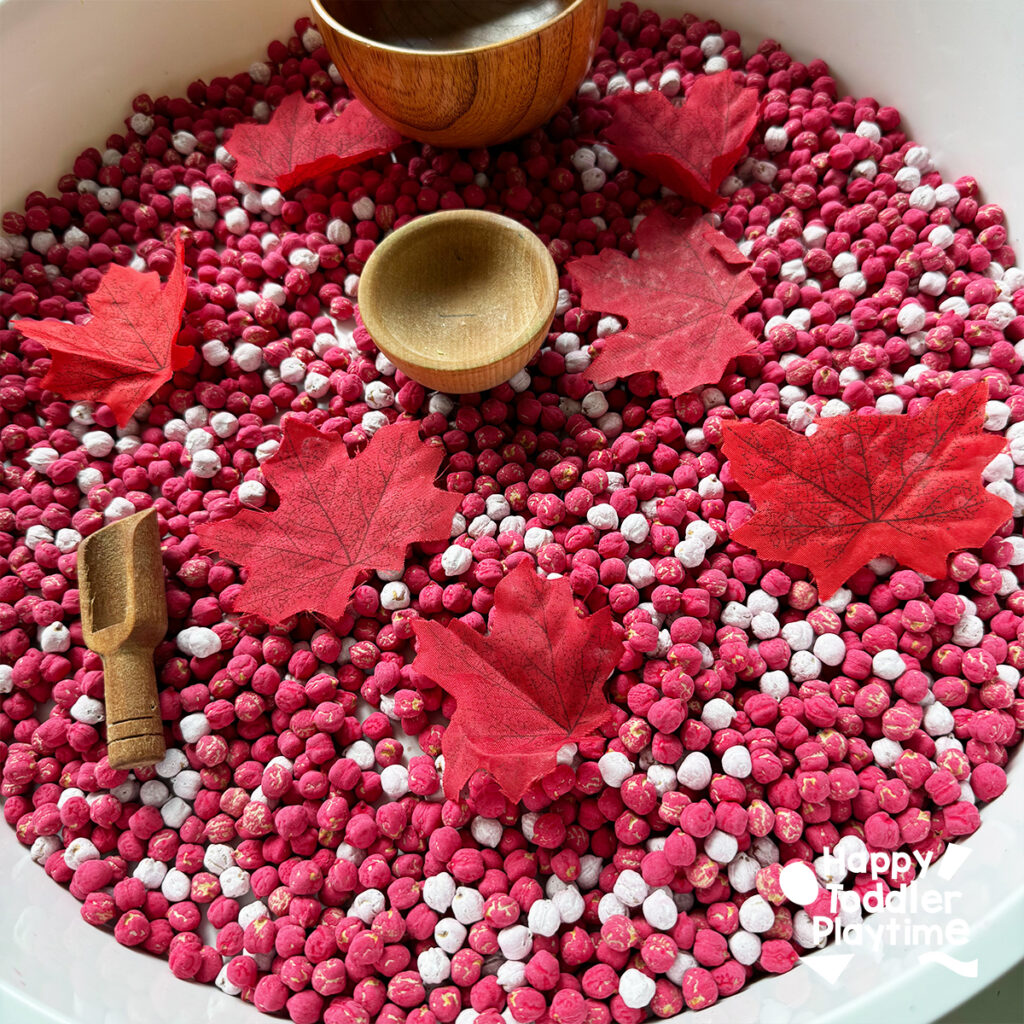
- Add bowls, spoons, scooper and maple leaves.
Tips
Make sure to spread the chickpeas out on the lined baking sheet so that they dry fully before playing with them.
Add tools that you have at home! including tongs to encourage fine motor skills and imaginative play.
How to contain the mess
I like to place a plastic sheet under my sensory bins to help contain the mess. You can also use a towel or blanket. The good thing about chickpeas is that they are very easy to pick up!
Sensory Bin FAQs
Can I use acrylic paint? Yes
How do I store the chickpeas? Store dyed chickpeas in an airtight container to keep them clean snd ready for future use.
What’s the purpose of sensory bins? Sensory bins are designed to engage the senses and provide a rich, hands-on learning experience. They help children explore different textures, colors, and materials, which can enhance their sensory development. Additionally, sensory bins are a great way to keep kids entertained and encourage imaginative play.
What do I put in a sensory bin? You can put a variety of items in a sensory bin, such as rice, beans, pasta, water beads, sand, or chickpeas. Adding small toys, scoops, cups, and other manipulatives can enhance the experience. Just make sure the items are safe and appropriate for the child’s age.
What age can you start sensory bins? Children can start playing with sensory bins as early as 1 to 2 years old. It’s important to supervise young children to ensure they don’t put small items in their mouths. As they grow older, you can introduce more complex materials and activities.
What skills do sensory bins teach? Sensory bins teach a variety of skills, including fine motor skills through the manipulation of small objects. They also promote problem-solving, creativity, and language development as children explore and describe what they are experiencing. Additionally, sensory play can be calming and help children develop better focus and concentration.
Play2Learn Toddler & Preschool Programs for Curious Toddlers
There is no limit to your toddler’s energy and curiosity. That energy and curiosity although a joy can be challenging at times. Their interest in just about everything around them is what makes them great learners. One and two year olds can soak up so much just from their senses!
But as a teacher or parent that thirst for learning can be exhausting. That is why I created this toddler and preschooler program. To help you get the most out of this time with your curious toddler without having to come up with creative ways to play and interact with them.
Play2Learn for Toddlers includes 20 Units for toddlers. Each 2-week toddler unit has 20 super easy to set up and engaging activities for toddlers 18 months to 3 years.
Play2Learn Preschool which includes 20 Units for preschoolers. Each 2-week preschoolers unit has 20 unique and easy to set up and engaging activities for preschoolers 3 years to 5 years. That’s over 800 learning activities for your toddler and preschooler at your fingertips! So many ideas you and your child will never be bored again!
These toddler and preschool lesson plans and activities will definitely keep you and your toddler and preschooler busy playing and learning!
Click here for more information: Play2Learn
Book: Exciting Sensory Bins for Curious Kids
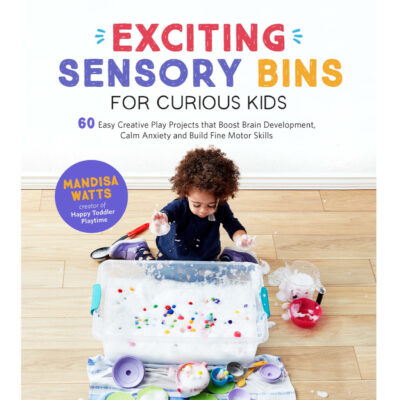
Did you know I wrote a book of sensory bins? Click here for more information Exciting Sensory Bin for Curious Kids. Or grab your copy at Amazon.
Boring afternoons are made exciting with awesome animal-based bins, like Salty Shark Bay or Yarn Farm. Pretend play bins like Birthday Cake Sensory Play or Bubble Tea Party encourage creativity and imagination. And your kids will have so much fun they won’t even know they’re getting smarter with STEAM (science, technology, engineering, art and math) activities like Sink or Float Soup, Magnetic Letter Hunt or Ice Cream Scoop and Count.
Designed for toddlers 18 months and up.
Book: Super STEAM Activity Book for Kids
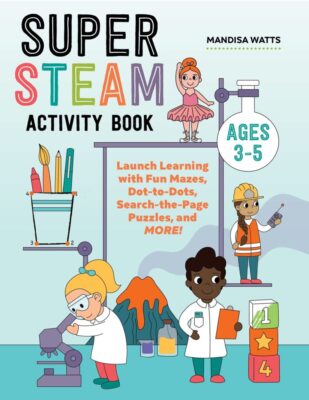
Learning all about science, technology, engineering, art, and math sets kids up for scholastic success―and it can be so much fun! Watch kids enjoy building STEAM skills as they color friendly fish, help water find its way to tree roots, solve math problems with mazes, and more.
Find out more and grab your copy here.
Designed for preschoolers 3 years old and up.
Book: Big Book of Riddles for Kids
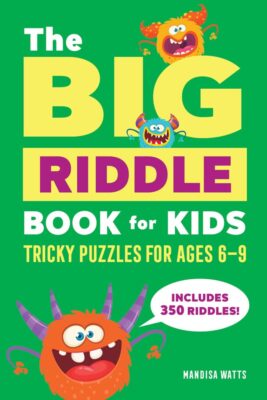
Riddle me this: What’s an exciting way to practice critical thinking while having a blast? The Big Riddle Book for Kids, of course! From hilarious puns to tough brain teasers, kids can build problem-solving skills with hundreds of riddles tha. t show them how to think outside the box.
- 350 riddles for kids—Have hours of fun with riddles, puns and jokes, and math and logic puzzles that’ll get their wheels turning!
- Level up their skills—Riddles get trickier as kids progress through the book, challenging them as they get better at solving puzzles!
- Double-check their work—Kids can check their answers in the back of the book with a handy answer key.
Help children expand their minds while having fun with this puzzle book for kids!
Designed for kids ages 6 years old and up.
TV Show: Curious Crafting
I’m so excited to share my crafting TV show Curious Crafting which launched in July 2022 on TVOkids and TVOkids YouTube! Season 2 aired in August 2023! My show was also nominated in 2023 for Best Live Action Preschool Series by the Youth Media Alliance Awards of Excellence.
Curious Crafting Season 1 is also now airing in Australia on ABC! Watch it here!
Set in the ultimate crafting space, Curious Crafting is a short form pre-school age series about the joy of making crafts. I lead a rotating cast of adorable little preschoolers (including my own) making magic out of common household objects.
In each episode we transform recycled items into magical crafts like a milk carton school bus, paper bag puppet or cotton pad turtle. The crafters learn and laugh their way through each activity while demonstrating what their young imaginations can create.
Curious Crafting shares the adventure and joy of making art with takeaway lessons for creating crafts at home.
This show designed for toddlers and preschoolers 2.5 years old and up.