

These 12 summer reading activities are perfect for keeping skills fresh while making sure kids are laughing, playing, and moving.
Let’s be honest: summer reading looks a little different in every family—and even in every kid within the same family.
In our house, two of my kids devour books like it’s their favorite snack. They’ll happily curl up in a hammock for an hour with a pile of books or sneak away to read under a blanket. They are my natural bookworms. And then there’s my other one. They are bright, curious, loves building with LEGO, riding their bike, they even love sitting down with book and looking at the pictures. But the moment you ask them to read something, they suddenly have “other plans.”
If you’re nodding along because you’ve got a mix of readers at home, I see you. Some kids naturally gravitate toward books, while others need a little nudge (or, let’s be real, a creative game) to make reading click.
And that’s why I love summer reading activities. They don’t look like school. They don’t feel like worksheets or flashcards. They’re hands-on, playful, and woven into everyday summer fun so kids barely realize they’re practicing.
Plus, there’s a real reason to lean into reading games during the summer. Teachers talk about “summer slide”—that loss of skills when school is out for a couple of months. Just a little bit of fun reading practice here and there makes a huge difference in keeping those skills fresh. And for reluctant readers, it’s an opportunity to discover that reading doesn’t have to be boring; it can be part of their favorite things like soccer, LEGO, crafting, or even animals.
This list is filled with simple, easy-to-set-up summer reading ideas that work for all levels:
- Kids who are just starting to recognize letters and sounds.
- Kids who are gaining confidence and need repetition with sight words.
- Kids who are reading on their own but still benefit from a little fun practice.
You don’t need fancy supplies for any of these. A deck of post-its, a frisbee, a pack of LEGO bricks, or a bin of shaving cream can quickly turn into an afternoon of reading fun. These activities are also perfect for siblings to do together, which I love—because even when they’re playing, the younger ones are listening, looking, and learning right alongside the older ones.
So, if you’ve got one kid who already loves books, another who is reluctant, and maybe a third somewhere in between, these 10 summer reading activities are a lifesaver. They’re great for lazy afternoons, bursts of energy between pool time and dinner, or even those quiet minutes when you need something engaging that doesn’t involve a screen.
By the time you’ve tried a few, don’t be surprised if your “not-so-sure-about-reading” kid is the one asking:
“Can we do the remote-control car word game again?”
Why You’ll Love These Summer Reading Activities
- Perfect for all reading levels: Whether you have an early reader, a confident reader, or a reluctant one, these can be adapted for everyone.
- Keeps skills sharp: Summer brain drain is real, and these playful ideas are an easy way to practice.
- Active learning: These activities get kids moving, laughing, and reading all at once.
- Simple to set up: Most of them use basic materials you already have around the house.
- Fun for siblings or friends: Many of these work as group games (and secretly, you’ll notice the younger ones learn from the older ones as they play).
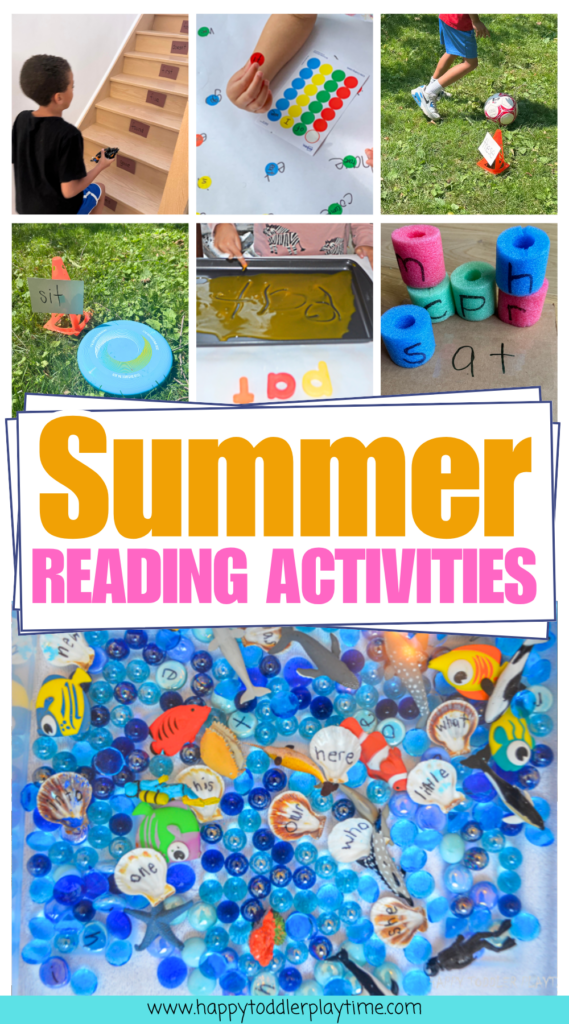
Summer Reading Activities for Kids
1. Remote Control Car Sight Word
Imagine combining the fun of driving a remote-control car with practicing sight words—suddenly, your reluctant reader is the first in line to play.
Materials: Remote control car, paper, marker, tape, pylons and an open space.
How to Play: Write sight words (or letters for younger kids) on paper and tape them to pylons, the floor, driveway, or patio. Call out a word, and your child has to drive the car straight to that word and knock over the pylon, driver around it or park on it. You can make it more challenging by calling out two words (“drive to jump, then to play”) so they need to drive in order.
This activity is high-energy and works indoors or outdoors. You can get the full instructions here with setup tips.
2. Staircase Sight Word
This one is so simple to set up and works perfectly when you need something fast.
Materials: Paper, marker, tape, and a staircase.
How to Play: Write a sight word (or a letter for beginners) on each piece of paper and tape them on each step. Kids climb the stairs, saying each word as they step on it. For an extra challenge, they can only step on a stair if they read the word correctly.
It’s a built-in movement break that sneaks in a lot of reading practice without anyone sitting down. Full directions for how we make it fun and safe are right here.
3. Soccer Reading Activity
Perfect for kids who can’t get enough soccer (or any sport that involves kicking a ball).
Materials: Soccer ball, cones or markers, paper, marker, tape.
How to Play: Write sight words on pieces of paper and tape them to cones set up around your yard. Ask your child to dribble the ball over to the correct word, kick the ball to knock over the cone, and then read the word out loud.
It’s such a great way to combine reading and gross motor skills, and the full step-by-step version is shared in this here.
4. Dot Stickers Sight Word Match
This is one of our favorite quiet-time activities.
Materials: Dot stickers, paper, and a marker.
How to Play: Write a grid of sight words on a piece of paper. Then write those same words on a set of dot stickers. Kids peel off a sticker and place it on top of the matching word.
This is low prep, low mess, and a hit with toddlers and preschoolers because it also builds fine motor skills. See the full version here with tips for making it multi-level.
5. Frisbee Sight Word
Frisbees aren’t just for the park anymore!
Materials: Frisbee, paper, markers, tape, cones and a big open space.
How to Play: Write sight words on paper and tape them to cones and place them around the yard. Call out a word, and kids throw the frisbee to try to hit the correct target. If you don’t have a yard, this works just as well with paper plates and painter’s tape inside.
This game adds a throwing and aiming challenge that keeps kids focused and moving. Step-by-step instructions can be found right here.
6. LEGO CVC Word
This activity is great for early readers who are starting to build and sound out words (CVC = consonant-vowel-consonant words like “cat,” “dog,” “sun”).
Materials: LEGO DUPLO bricks, LEGO DUPLO train cars, marker, and tape.
How to Play: Write letters on LEGO bricks with tape or dry-erase markers. Write the full word on the train. Challenge kids to snap bricks together to on the car to form the words.
It’s a hands-on, playful way to blend sounds and build words—literally! Find the complete tutorial here.
7. Shaving Cream Sight Word
This one is messy in the best possible way.
Materials: Shaving cream, paper, sensory bin.
How to Play: Spray shaving cream into the sensory bin. Write the words on a piece of paper and place it under the sensory bin. Smooth of the shaving cream to cover the words. Invite your child to wipe the board with their hands and find the different words. They have to read them out load as they find them.
It smells good, feels fun, and doubles as a sensory play activity. The full instructions here show you how to set up with minimal mess.
8. Post-it Memory Game
This is a great rainy-day game that kids can play alone or with siblings.
Materials: Post-it notes, marker, and a wall or door.
How to Play: Write matching pairs of sight words (two of each word) on a chalk board or large sheet of paper in a grid pattern. Cover the words with sticky notes in a grid. Kids take turns flipping over two at a time, reading each word aloud. If they match, they get to keep the pair. if not they cover them back up and try and find the next match
It’s classic memory game meets reading practice! Get the details on how to make it age-appropriate here.
9. Baby Food Writing Tray
For younger kids who are just learning to write letters and words, this is a winner.
Materials: A tray or shallow dish and a thin layer of dry baby cereal, salt, or flour.
How to Play: Write a letter or sight word on a card. Kids copy it by tracing the word in the tray with their finger. Shake the tray gently to “erase” and try again.
This one is quiet, sensory, and great for kids who like hands-on learning. You can see the setup instructions here.
10. Ocean Sight Word Sensory Bin
This one is a full sensory experience that feels like a day at the beach.
Materials: A large bin, blue water stones, small sea animal toys, and sea shells, marker.
How to Play: Write sight words on the seas shell and each letter on the blue stones and place in the sensory bin along with the sea creatures. Kids use tongs or their hands to find a word shell, read it aloud, and spell it using the stones.
The bin is full of tactile fun, and the game aspect makes kids eager to read each word. See how to make your own with step-by-step pictures in the full tutorial here.
11. Pool Noodle Word Families
If you’ve got a few extra pool noodles lying around, this is one of the most creative ways to turn them into a summer reading game!
Materials: Pool noodles, scissors, and a permanent marker.
How to Make It: Cut a pool noodle into several 2-inch slices. On one set of slices, write common word family endings (like -at, -an, -op, -it). On another set of slices, write single letters or blends (like b, c, s, t, sh). Stack the slices together to build words! Kids can spin the front slice to make new words in the same family (cat, bat, sat, etc.).
This activity is fantastic for early readers because it makes decoding patterns visual and hands-on.
12. Sight Word Rocks
This activity is perfect for kids who love to be outside and collect rocks.
Materials: Smooth rocks, acrylic paint or paint pens, and a permanent marker.
How to Make It: Wash and dry a handful of smooth rocks. Paint them in bright colors and let them dry. Then, use a marker to write a sight word on each rock. Hide the rocks around your yard or a park and challenge kids to go on a “word hunt.” When they find a rock, they need to read the word before adding it to their pile.
This one feels like a treasure hunt and gets kids moving while practicing reading. For a twist, you can create sentence-building rocks with simple nouns, verbs, and adjectives.
Tips to Make Summer Reading Activities Fun
- Keep it short: 10–15 minutes of playful practice goes a long way.
- Go outside: Most of these can be set up in the yard, on the deck, or even at the park.
- Follow their lead: Use topics your child loves—if they’re into dinosaurs or space, make the words themed.
- Celebrate effort, not just accuracy: Enthusiasm matters more than perfection.
Reading doesn’t have to feel like a chore, especially in the summer. These 12 summer reading activities are perfect for keeping skills fresh while making sure kids are laughing, playing, and moving.
For my kids, these activities have been a game changer. Two of them would have read anyway, but that third one—the one who groans every time I say “grab a book”? He’s now the first to ask, “Can we do the soccer word game again?”
And honestly, that’s the goal.
So, grab a stack of sticky notes, some markers, or even a frisbee, and give one of these a try. Who knows? You might end up with a summer full of reading… and giggles.
Play2Learn Toddler & Preschool Programs for Curious Toddlers
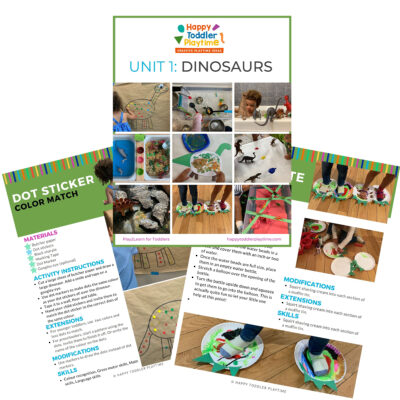
There is no limit to your toddler’s energy and curiosity. That energy and curiosity although a joy can be challenging at times. Their interest in just about everything around them is what makes them great learners. One and two year olds can soak up so much just from their senses!
But as a teacher or parent that thirst for learning can be exhausting. That is why I created this toddler and preschooler program. To help you get the most out of this time with your curious toddler without having to come up with creative ways to play and interact with them.
Play2Learn for Toddlers includes 20 Units for toddlers. Each 2-week toddler unit has 20 super easy to set up and engaging activities for toddlers 18 months to 3 years.
Play2Learn Preschool which includes 20 Units for preschoolers. Each 2-week preschoolers unit has 20 unique and easy to set up and engaging activities for preschoolers 3 years to 5 years. That’s over 800 learning activities for your toddler and preschooler at your fingertips! So many ideas you and your child will never be bored again!
These toddler and preschool lesson plans and activities will definitely keep you and your toddler and preschooler busy playing and learning!
Click here for more information: Play2Learn
Book: Exciting Sensory Bins for Curious Kids
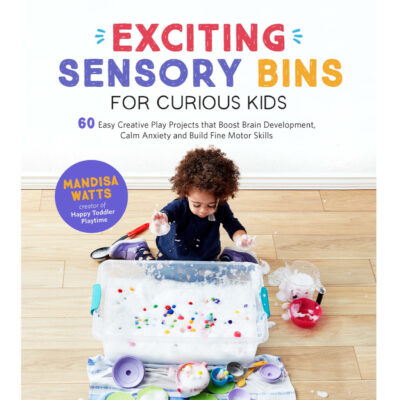
Did you know I wrote a book of sensory bins? Click here for more information Exciting Sensory Bin for Curious Kids. Or grab your copy at Amazon.
Boring afternoons are made exciting with awesome animal-based bins, like Salty Shark Bay or Yarn Farm. Pretend play bins like Birthday Cake Sensory Play or Bubble Tea Party encourage creativity and imagination. And your kids will have so much fun they won’t even know they’re getting smarter with STEAM (science, technology, engineering, art and math) activities like Sink or Float Soup, Magnetic Letter Hunt or Ice Cream Scoop and Count.
Designed for toddlers 18 months and up.
Book: Super STEAM Activity Book for Kids
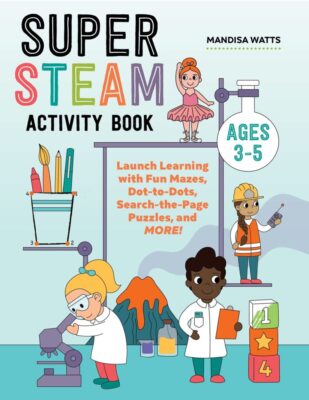
Learning all about science, technology, engineering, art, and math sets kids up for scholastic success―and it can be so much fun! Watch kids enjoy building STEAM skills as they color friendly fish, help water find its way to tree roots, solve math problems with mazes, and more.
Find out more and grab your copy here.
Designed for preschoolers 3 years old and up.
Book: Big Book of Riddles for Kids
Riddle me this: What’s an exciting way to practice critical thinking while having a blast? The Big Riddle Book for Kids, of course! From hilarious puns to tough brain teasers, kids can build problem-solving skills with hundreds of riddles tha. t show them how to think outside the box.
- 350 riddles for kids—Have hours of fun with riddles, puns and jokes, and math and logic puzzles that’ll get their wheels turning!
- Level up their skills—Riddles get trickier as kids progress through the book, challenging them as they get better at solving puzzles!
- Double-check their work—Kids can check their answers in the back of the book with a handy answer key.
Help children expand their minds while having fun with this puzzle book for kids!
Designed for kids ages 6 years old and up.
TV Show: Curious Crafting
I’m so excited to share my crafting TV show Curious Crafting which launched in July 2022 on TVOkids and TVOkids YouTube! Season 2 aired in August 2023! My show was also nominated in 2023 for Best Live Action Preschool Series by the Youth Media Alliance Awards of Excellence.
Curious Crafting Season 1 is also now airing in Australia on ABC! Watch it here!
Set in the ultimate crafting space, Curious Crafting is a short form pre-school age series about the joy of making crafts. I lead a rotating cast of adorable little preschoolers (including my own) making magic out of common household objects.
In each episode we transform recycled items into magical crafts like a milk carton school bus, paper bag puppet or cotton pad turtle. The crafters learn and laugh their way through each activity while demonstrating what their young imaginations can create.
Curious Crafting shares the adventure and joy of making art with takeaway lessons for creating crafts at home.
This show designed for toddlers and preschoolers 2.5 years old and up.