
Whether you have a toddler, preschooler, or elementary-aged child, these simple screen-free ideas will help your family build healthy habits while making lasting summer memories.
Summer break is the perfect time for kids to unplug, get outside, and enjoy hands-on play. But without the structure of school, it’s easy for screens to become the default whenever boredom strikes.
The good news is that reducing screen time doesn’t have to mean constant battles or hearing “I’m bored!” every five minutes. With a little planning and a few engaging activities ready to go, you can help your child spend more time creating, exploring, and playing this summer.
- Why We Limit Screen Time During Summer
- 1. Create a Simple Daily Routine
- 2. Keep Screen-Free Activities Ready to Go
- 3. Make Outdoor Play the First Choice
- 4. Create a Summer Bucket List
- 5. Build a Boredom Jar
- 6. Rotate Toys Instead of Buying New Ones
- 7. Plan One Hands-On STEM Activity Each Day
- 8. Set Up Simple Activity Stations
- 9. Encourage Reading Every Day
- 10. Let Kids Help in the Kitchen
- 11. Try Screen-Free Mornings
- 12. Keep Craft Supplies Accessible
- 13. Schedule Family Game Time
- 14. Don’t Be Afraid of Boredom
- 15. Focus on Balance, Not Perfection
- Our Favorite Screen-Free Activities
Why We Limit Screen Time During Summer
After creating and testing hundreds of hands-on activities with children over the years, I’ve learned that kids rarely ask for screens when they’re truly engaged in play. Whether they’re building a water wall, creating a sensory bin, or exploring a simple science experiment, children naturally become curious, creative, and excited to learn.
Summer is the perfect opportunity to slow down and encourage more outdoor adventures, imaginative play, and family time. The goal isn’t to eliminate screens completely—it’s to create a healthy balance where screens are just one small part of the day instead of the main activity.
1. Create a Simple Daily Routine
One thing I’ve learned as a mom of three is that kids actually crave routines—even during summer break. While I love the slower pace of summer, I’ve also learned that when our days have absolutely no structure, my kids are much more likely to ask for screens before breakfast. It’s usually not because they’re obsessed with their tablets—they’re simply looking for something to do.
Over the years, we’ve found that a loose daily routine works much better than a strict schedule. Our mornings usually start with breakfast, getting dressed, and spending time outside before anyone asks about screens. After lunch, we might read books, do a craft, or try one of our favorite STEM activities before enjoying a little quiet time.
The routine doesn’t have to be complicated. Just having predictable parts of the day helps children know what to expect and cuts down on the constant “Can I watch TV?” questions. I’ve noticed that when we fill the morning with active play, my kids are far less interested in screens for the rest of the day.
🌟 Try This
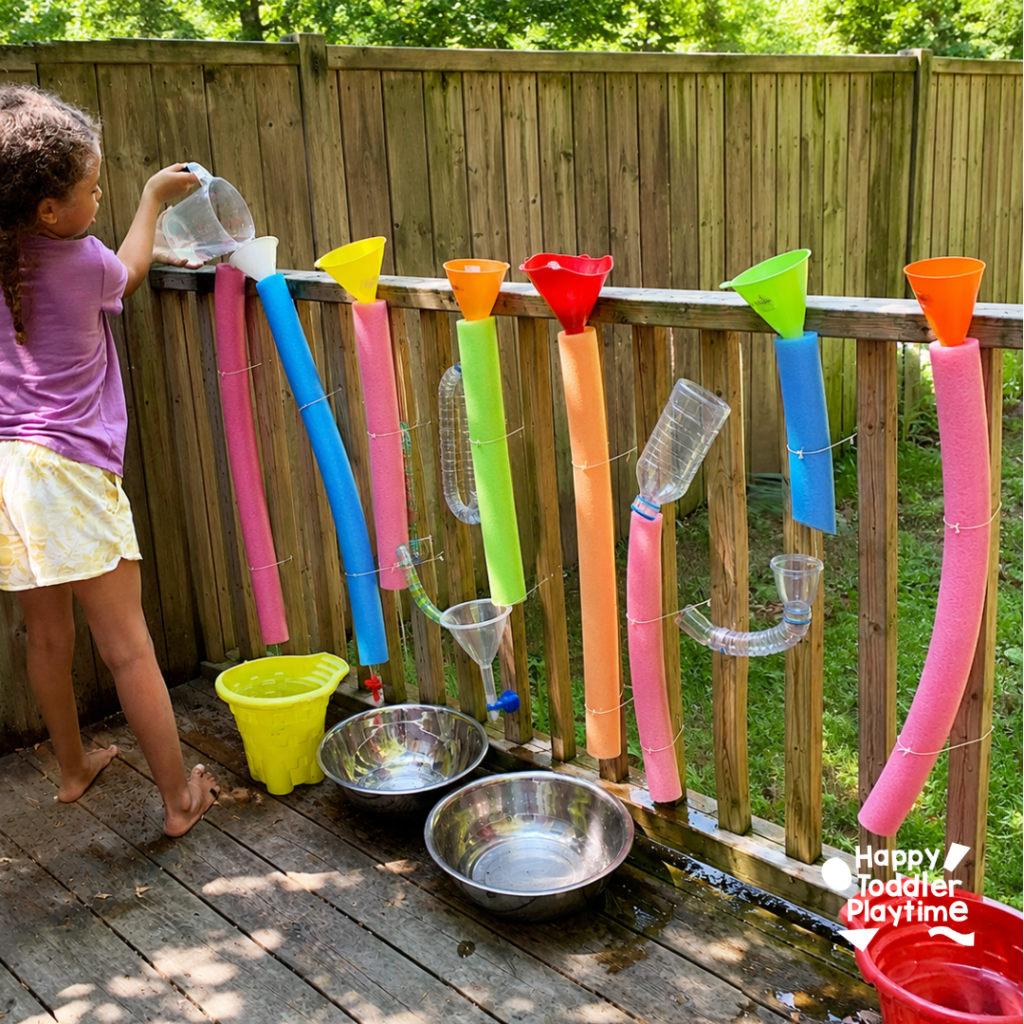
Set up a simple outdoor activity like our Pool Noodle Water Wall after breakfast. Starting the day with hands-on play often sets the tone for the entire afternoon.
2. Keep Screen-Free Activities Ready to Go
One mistake I made during my first few summers as a mom was waiting until my kids said they were bored before thinking of an activity. By then, everyone was already frustrated—including me—and grabbing a tablet felt like the easiest solution.
Now I know that a little preparation goes a long way.
I like to keep a small collection of activities ready to go so I don’t have to come up with ideas on the spot. Sometimes it’s a sensory bin stored in the garage. Other times it’s a simple craft tray, bubbles, water balloons, or one of our favorite STEM activities waiting on the patio table.
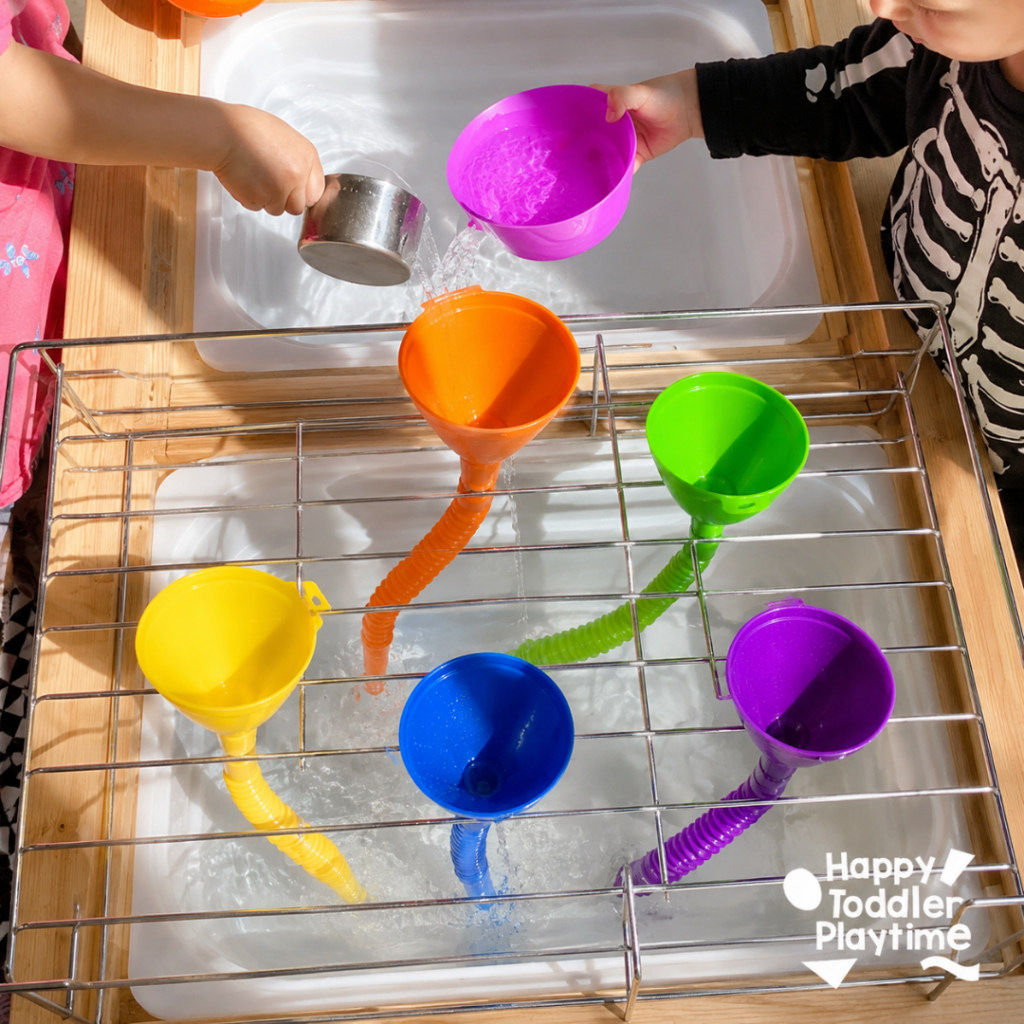
The funny thing is that kids don’t need elaborate setups to stay engaged. Some of our most-played-with activities have taken less than five minutes to prepare. A tub of water with funnels can entertain my kids longer than a cartoon ever could.
I’ve also found that rotating activities keeps everything feeling new. Instead of leaving every toy available all summer, I’ll put a few things away and swap them out every week or two. Suddenly an old activity feels exciting again.
Having something ready before boredom strikes has completely changed the way our summers feel.
🌟 Try This
Keep a Funnel Sensory Bin ready on the patio or in the backyard. All you need are funnels, measuring cups, and a bin of water. It’s one of those activities that looks simple but keeps kids busy far longer than you’d expect.
3. Make Outdoor Play the First Choice
Some of my favorite childhood memories happened outside, and I’ve tried to create that same experience for my own kids. Over the years I’ve noticed something interesting: if we start the day outside, the rest of the day usually goes more smoothly.
Fresh air seems to reset everyone’s mood—including mine.
That’s one of the reasons so many of the activities on Happy Toddler Playtime are designed for the backyard. Water play, simple science experiments, obstacle courses, and messy art all become easier when you simply move them outside.
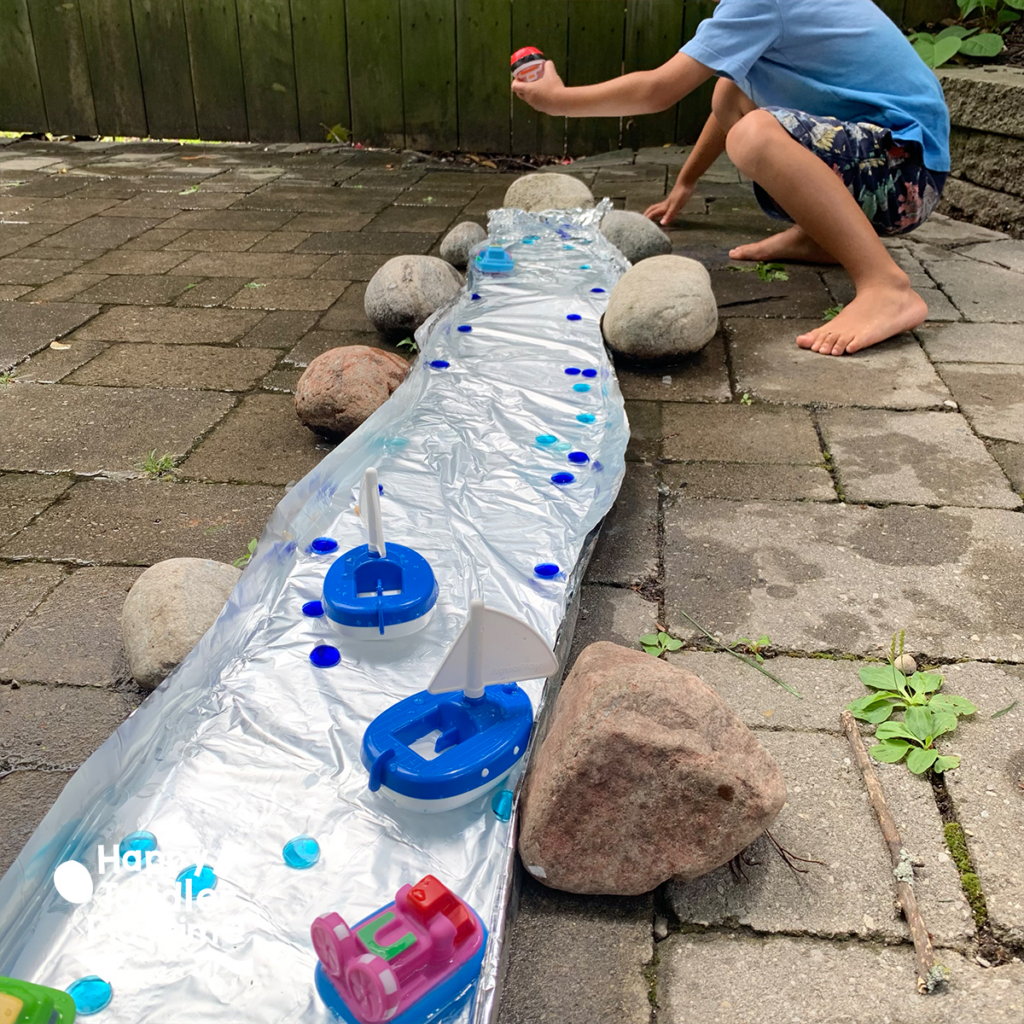
I’ve learned not to overcomplicate it. Kids don’t need an expensive playset or a perfectly landscaped yard to have fun. Some of our most memorable afternoons have been spent pouring water through pool noodles, building rivers out of aluminum foil, making giant bubbles, or experimenting with homemade volcanoes.
Outdoor play naturally encourages movement, creativity, and problem-solving in ways screens simply can’t. Even twenty or thirty minutes outside often satisfies that need for excitement and adventure, making the rest of the day feel calmer.
Whenever my kids start asking for screens early in the day, I usually know it’s time to head outside. More often than not, they completely forget they even asked.
🌟 Try This
Build an Aluminum Foil River in your backyard. My kids love changing the twists and turns, adding sticks and rocks, and watching the water find its way to the end. It’s inexpensive, easy to set up, and naturally encourages problem-solving.
4. Create a Summer Bucket List
One of my favorite summer traditions is making a bucket list together as a family. At the beginning of every summer break, we sit down with a piece of paper and ask one simple question: “What do we want to do this summer?” The answers are always a fun mix of big adventures and wonderfully simple ideas. One child might suggest visiting the zoo, another wants to make homemade popsicles, and someone always asks to build the biggest fort ever.
I’ve learned that the bucket list doesn’t have to be filled with expensive outings or Pinterest-perfect projects. In fact, the activities my kids remember most are often the easiest ones. Splashing in the sprinkler, making bubble snakes, building with cardboard boxes, or trying a new painting technique together usually become the highlights of our summer.
Having our bucket list hanging on the refrigerator also gives us an easy answer when someone says they’re bored. Instead of reaching for a tablet, we simply choose something from the list. It shifts the conversation from “There’s nothing to do” to “What should we do next?”
I also like to include a mix of activities that my kids can do independently and ones we can enjoy together as a family. That balance helps keep everyone happy throughout the long summer days.
Tip: Let your children help create the list. Kids are much more excited about activities they helped choose.
🌟 Try This:
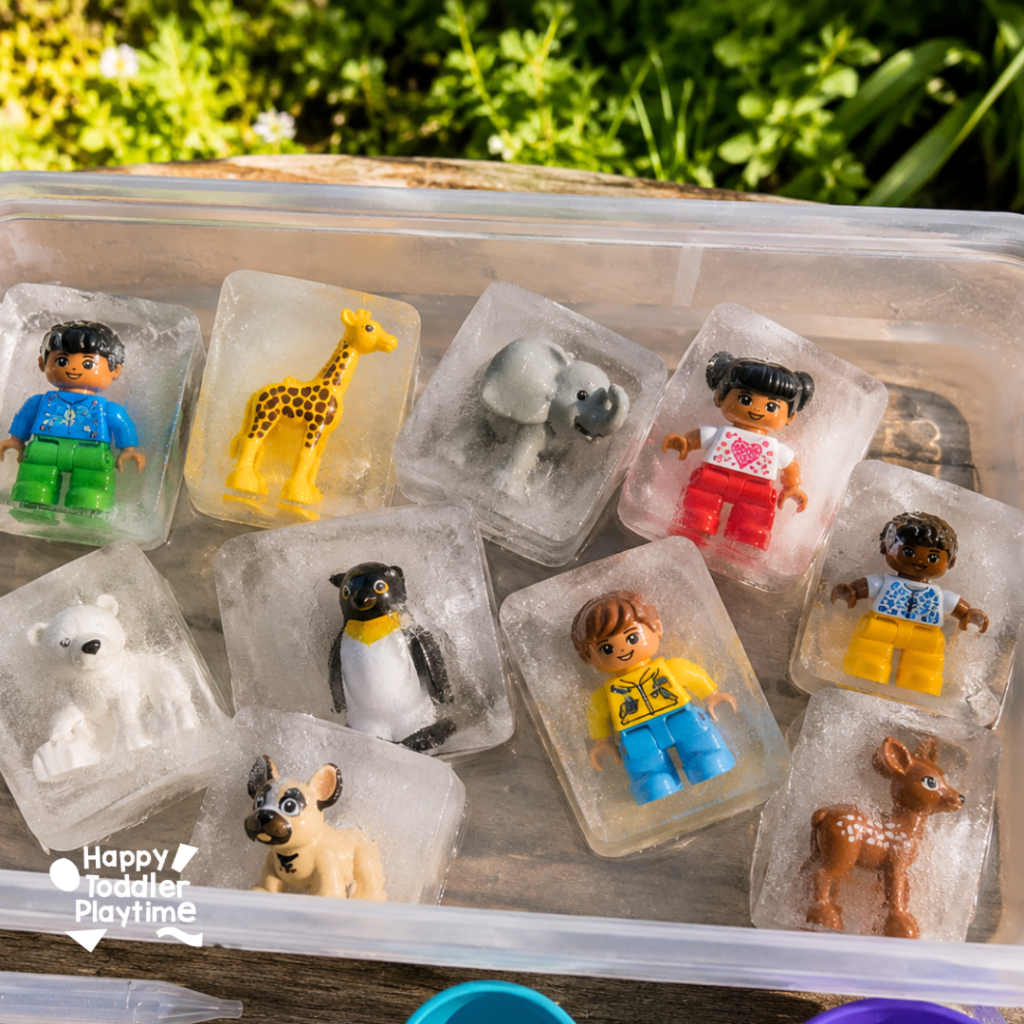
Add Frozen LEGO Rescue to your summer bucket list. It’s always one of the first activities my kids ask to do because it feels like a science experiment, a sensory activity, and a treasure hunt all at once.
5. Build a Boredom Jar
If there’s one phrase that seems to follow parents all summer long, it’s “I’m bored!” I used to feel like it was my job to immediately solve that problem by suggesting activities. Before long, I realized I was doing all the thinking while my kids waited for me to entertain them.
That’s when we started using a boredom jar, and it completely changed the dynamic in our house.
Whenever someone announces they’re bored, I simply point to the jar and let them choose an activity. Inside are simple ideas written on craft sticks or slips of paper—things like building a fort, having a dance party, making sidewalk chalk art, or trying one of our favorite STEM activities.
The best part is that the jar gives my kids ownership over their play. Instead of me deciding what they’ll do, they get to make the choice themselves. Over time, I’ve noticed they don’t even need the jar as often because they’ve become much better at coming up with their own ideas.
As parents, we don’t have to fill every quiet moment. Sometimes children just need a little inspiration to get their imaginations going.
Tip: Include activities that only take a few minutes to set up. The easier it is to get started, the more likely your child will choose it over a screen.
🌟 Try This:
Write DIY Bubble Wands on one of your boredom jar sticks. My kids love creating different-shaped wands and seeing which ones make the biggest bubbles.
6. Rotate Toys Instead of Buying New Ones
One thing I’ve discovered after many summers with three kids is that children don’t always need new toys—they just need a change of scenery. It’s amazing how exciting an old toy can feel after it’s been tucked away for a few weeks.
Every Sunday evening, I quietly swap a few bins in our playroom or garage. When Monday morning arrives, my kids act like they’ve received brand-new toys. It still surprises me how well this simple trick works.
I do the same thing with our outdoor toys. Instead of having every bubble machine, water toy, and sports ball available all summer, I’ll rotate them every week or two. It keeps everything feeling fresh without spending any extra money.
I’ve also started rotating activities instead of just toys. Bringing back a favorite craft or STEM activity after a month often creates just as much excitement as introducing something brand new.
Sometimes the secret to keeping kids engaged isn’t adding more—it’s simply changing what’s already available.
Tip: Store a few favorite activities out of sight and bring them back later in the summer. They’ll feel brand new all over again.
🌟 Try This:
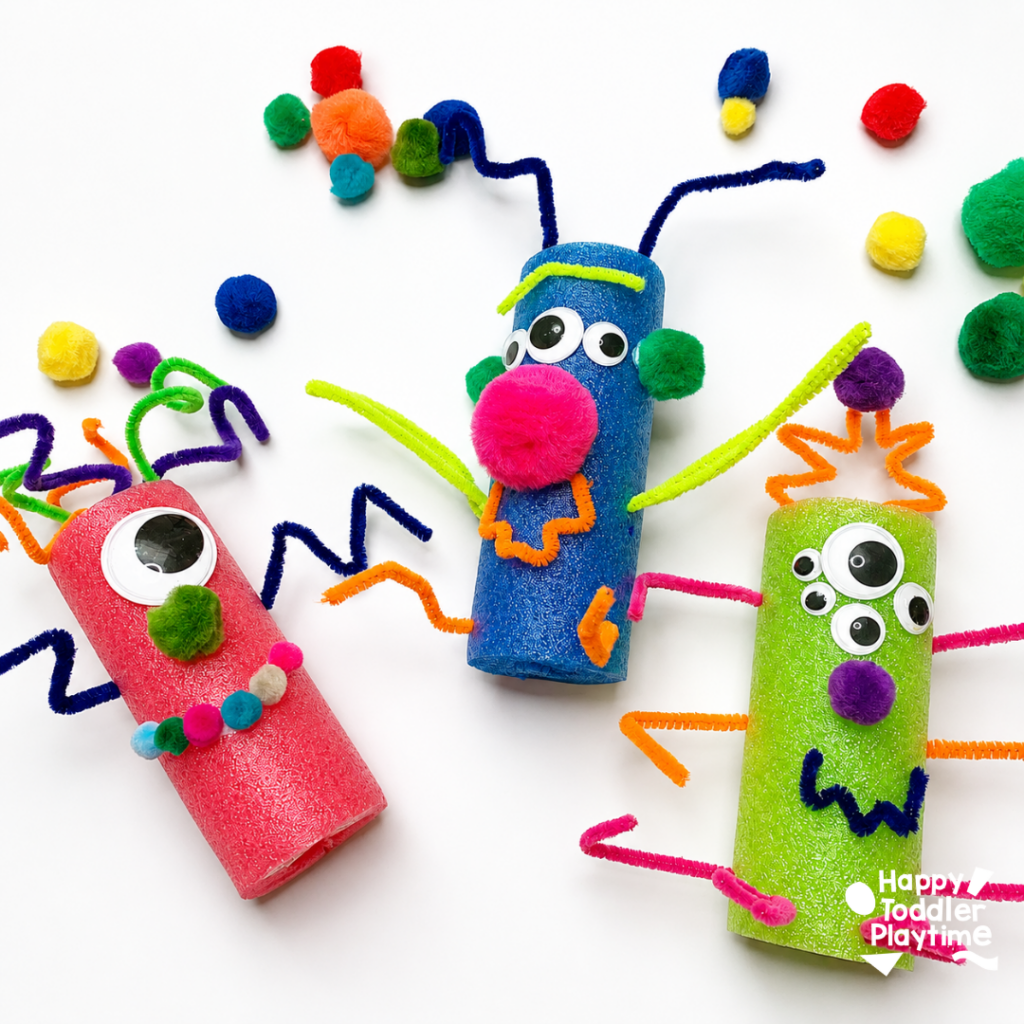
Bring out your supplies to make Pool Noodle Monsters. Even if your kids made them last summer, they’ll love designing completely new silly creatures this time around.
7. Plan One Hands-On STEM Activity Each Day
I know I keep bringing up STEM activities but it’s for good reason. And you don’t have to be a scientist—or spend hours preparing elaborate experiments—to introduce STEM learning at home. After years of creating activities for my own kids, I’ve found that the simplest ideas are often the ones they remember most.
Some days our STEM activity is as easy as filling a bin with water and funnels. Other days we’re freezing LEGO in ice, building boats from aluminum foil, or watching a baking soda volcano erupt in the backyard. None of these activities take much time to prepare, but they create opportunities for my kids to ask questions, solve problems, and explore how the world works.
One of the biggest surprises for me has been how long these activities keep my kids engaged. A five-minute setup can easily lead to 30 or 45 minutes of experimenting, testing ideas, and making discoveries. During that time, screens aren’t even on their minds.
You don’t need to schedule a formal science lesson every day. Simply choosing one hands-on activity gives your child something exciting to look forward to while building curiosity and confidence through play.
Tip: Keep a small bin of STEM supplies like baking soda, vinegar, food coloring, funnels, aluminum foil, and measuring cups so you’re always ready for an easy activity.
🌟 Try This:
Our Lemon Oobleck is one of my favorite summer STEM activities. Kids are fascinated by its unusual texture, and it’s a simple way to introduce science through sensory play using just a few kitchen ingredients.
8. Set Up Simple Activity Stations
One thing I’ve learned over the years is that kids are much more likely to start playing when an activity is already waiting for them. If I simply tell my kids, “Go play outside,” I usually get blank stares. But if they walk outside and see bubbles, a sensory bin, or a water table already set up, they jump right in without any encouragement.
The best part is that these activity stations don’t have to be elaborate. Sometimes I’ll set out sidewalk chalk, a bucket of water with a few cups, or a tray with craft supplies on the patio table before the kids wake up. Those simple invitations to play often keep them busy for much longer than I expect.
I’ve stopped feeling like I need to entertain my kids every minute of the day. Instead, I try to create opportunities for independent play. Once they get started, they usually take the activity in directions I never would have imagined.
Setting up one activity station each morning has become one of my favorite ways to prevent boredom before it starts.
Tip: Prepare the activity the night before if you can. It’s so much easier to say “Let’s go outside!” when everything is already waiting.
🌟 Try This:
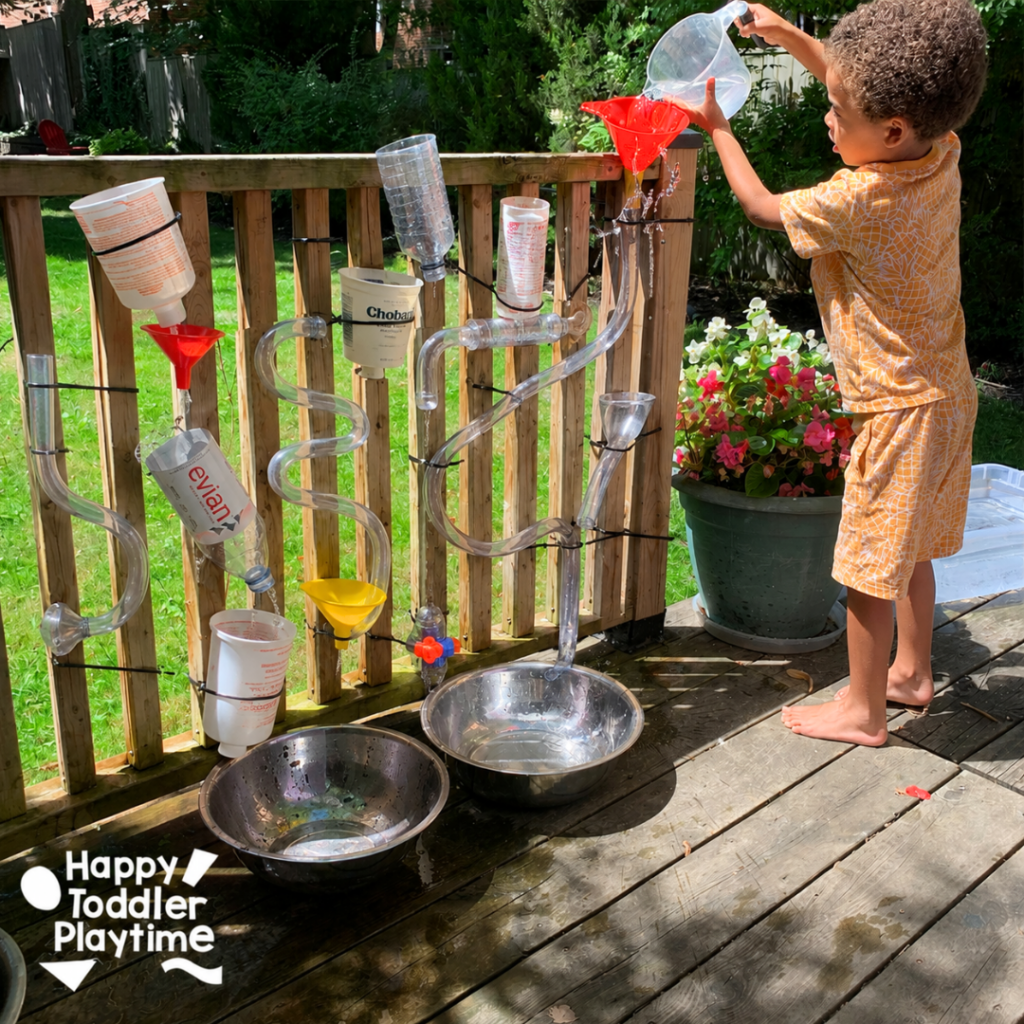
Set up our DIY Water Wall in the backyard. It’s an easy invitation to play that encourages kids to experiment, build, and redesign while staying cool on a hot summer day.
9. Encourage Reading Every Day
I’ll be honest—getting three kids excited about reading every day hasn’t always been easy. Some summers they’re constantly asking to visit the library, while other summers books seem to be the last thing on their minds. Instead of making reading feel like another school assignment, I’ve learned to make it part of our daily routine in a relaxed way.
We keep books in almost every room of the house, and I always have a basket of library books within easy reach. Sometimes we read together on a picnic blanket outside, while other days everyone picks a book and we have quiet reading time after lunch.
One thing that surprised me is how much choice matters. When my kids get to choose books about dinosaurs, princesses, trucks, animals, or whatever they’re interested in that week, they’re much more excited to read.
Reading doesn’t have to take hours. Even fifteen or twenty minutes each day helps build a love of books while providing a quiet break from busy summer activities and screen time.
Tip:
Visit your local library every week or two. Bringing home a fresh stack of books keeps reading exciting all summer long.
🌟 Try This:
After story time, extend the learning with our Post It Memory Game activity. It’s a beautiful hands-on science invitation that pairs perfectly with books about nature, gardens, or seasons.
10. Let Kids Help in the Kitchen
Some of my favorite summer memories with my kids have happened in the kitchen. Sure, it usually takes longer to cook when little helpers are involved, and yes, there are definitely more spills to clean up. But I’ve found that inviting my kids to help is almost always worth the extra mess.
Cooking naturally teaches so many valuable skills. Kids practice measuring, counting, following directions, problem-solving, and even early science concepts without realizing they’re learning. It’s also a wonderful opportunity to spend time together and have conversations that probably wouldn’t happen if everyone were staring at a screen.
When my kids were younger, they loved washing fruit, stirring ingredients, or pouring pre-measured items into a bowl. As they’ve gotten older, they’ve become more confident helping prepare simple lunches and snacks.
I’ve learned that children are much more interested in helping when they feel like they’re making a real contribution instead of just watching an adult cook.
Tip: Start with simple recipes that don’t require perfect measurements. The goal is spending time together—not creating a picture-perfect meal.
🌟 Try This:
Make our Ice Cream in A Bag together. Mixing the ingredients is just as much fun as playing with it afterward, and kids love watching the unusual texture come together.

11. Try Screen-Free Mornings
This has probably been the biggest game changer in our house.
A few summers ago, I noticed a pattern. On the mornings when my kids watched TV or played on a tablet right after breakfast, they seemed to ask for screens again all day long. But on the mornings when we started with outdoor play, crafts, or a simple activity, the requests almost disappeared.
Now we have an unofficial family rule: screens can wait.
Instead of turning on the TV first thing, we’ll head outside, build something together, go for a walk, or try one of our favorite STEM activities. I’ve found that once my kids become engaged in play, they’re much less interested in stopping to watch a screen.
That’s not to say we never use screens during the summer. We absolutely do. But delaying screen time until later in the day helps create a much healthier balance and encourages more creativity during those high-energy morning hours.
It’s one small change that has made a surprisingly big difference for our family.
Tip: You don’t have to ban screens completely. Simply delaying them until later in the day often reduces the total amount of screen time without causing battles.
🌟 Try This:
Start your morning with our Bubble Snake activity. It’s quick to set up, gets kids laughing immediately, and is one of those simple outdoor activities that naturally pulls them away from screens.
12. Keep Craft Supplies Accessible
One lesson I’ve learned after years of summer break is that creativity often happens when kids have easy access to supplies. If the markers, paper, glue, and pom poms are tucked away in a closet, chances are they won’t ask to use them. But if everything is organized in a basket or on a low shelf, my kids are much more likely to start creating on their own.
I’ve stopped worrying about having the “perfect” craft planned. Some of the best afternoons have started with nothing more than a few sheets of paper, scissors, tape, and recycled materials. One child might decide to build a robot while another creates a puppet or a homemade birthday card. Giving them the freedom to create whatever they imagine has led to some of our favorite summer memories.
I also try to include a mix of basic craft supplies and a few fun extras like googly eyes, pipe cleaners, feathers, and stickers. Those little additions seem to spark even more creativity.

The goal isn’t to make a Pinterest-worthy craft every day. It’s simply to make creativity an easy choice instead of reaching for a screen.
Tip: Store your craft supplies in clear bins or caddies so children can easily see what’s available and clean up independently.
🌟 Try This:
Make our Cotton Pad Ice Cream! This colorful craft is always a hit with my kids, and they love creating silly monsters with their own unique personalities.
13. Schedule Family Game Time
As my kids have gotten older, I’ve realized that one of the best ways to pull everyone away from screens is to offer something even more fun to do together. Family game time has become one of our favorite summer traditions because it gives us a chance to slow down, laugh, and connect after a busy day.
The games themselves aren’t really the important part. What my kids remember most are the silly moments, the friendly competition, and the time we spent together. Whether we’re playing a board game at the kitchen table or a simple game outside in the backyard, those moments create memories that last much longer than another episode of a TV show.
I’ve also learned that family game time doesn’t have to happen every night. Even once or twice a week gives everyone something to look forward to and helps create a natural break from screens.
Sometimes the best way to reduce screen time isn’t by saying “no”—it’s by saying “yes” to spending time together.
Tip: Let a different family member choose the game each week. Giving everyone a turn helps keep game night exciting.
🌟 Try This:
Design and snack Snack Necklaces together!
14. Don’t Be Afraid of Boredom
This one took me the longest to learn.
When my oldest was little, I felt like it was my responsibility to keep everyone entertained every minute of the day. If someone said they were bored, I’d immediately start suggesting activities or planning something to do. It was exhausting, and honestly, it wasn’t helping my kids become more independent.
Over time, I realized that boredom isn’t something to fix—it’s often the beginning of creativity.
Some of my kids’ most imaginative games have started after a few minutes of wandering around saying they didn’t know what to do. They’ve built forts out of couch cushions, invented obstacle courses, created pretend restaurants, and come up with games I never would have thought of myself.
Now, when someone says they’re bored, I don’t rush to solve it. I might remind them about our activity shelf or our boredom jar, but I also give them space to figure it out on their own.
Children don’t need adults to direct every moment of their play. Sometimes they just need time for their imaginations to take over.
Tip: Resist the urge to jump in immediately. Giving children a few minutes to work through boredom helps build creativity, resilience, and independent play skills.
🌟 Try This:
Leave out supplies for our Spinning Paper Helicopter activity and let your child decide how they want to build and decorate their helicopter. Open-ended activities are perfect for encouraging independent thinking.
15. Focus on Balance, Not Perfection
If there’s one thing I hope every parent takes away from this article, it’s this: you don’t have to be perfect.
There are days when my kids watch more TV than I planned. There are afternoons when it’s too hot to play outside, everyone is tired, or I simply need to get dinner on the table. And you know what? That’s okay.
Over the years, I’ve stopped aiming for perfect screen-time limits and started focusing on balance instead. If we’ve spent the morning building, creating, exploring, or playing together, I don’t feel guilty about a little screen time later in the day. Screens have their place, but I don’t want them to replace all the other wonderful ways children learn and grow.
Some summers will feel magical, while others might feel messy and chaotic. That’s just part of family life. The goal isn’t to fill every minute with educational activities—it’s to create a summer filled with curiosity, connection, laughter, and memories.
As a mom of three, I’ve learned that children don’t remember how many minutes of screen time they had. They remember making volcanoes in the backyard, building forts, catching butterflies, creating messy masterpieces, and spending time with the people they love.
Those are the moments that make summer special.
Tip: Celebrate the small wins. Every afternoon spent creating, exploring, or playing together is a success.
🌟 Try This:
End your summer with one of our favorite backyard activities, the Watermelon Volcano. It’s simple to set up, exciting for kids of all ages, and the perfect reminder that some of the best childhood memories come from the simplest moments.
Our Favorite Screen-Free Activities
Need a little inspiration? These are some of our favorite hands-on activities that keep kids engaged all summer long.
- Shower Curtain Painting
- Pool Noodle Tunnels
- DIY Bubble Wand Sensory Bottles
- How to Weave with Drinking Straws
- DIY Campfire Paint
- Pendulum Painting
- Bubble Painting
- How to Make Lemon Boats
- Cork Boats Craft
Choose one activity each day and you’ll be amazed at how quickly your child forgets about asking for screens!
Reducing screen time doesn’t have to be stressful. By filling your days with simple invitations to play, outdoor adventures, crafts, and STEM activities, you’ll naturally encourage your children to spend less time on devices and more time learning, creating, and making memories.
Remember, you don’t need to entertain your child every minute of the day. Sometimes all it takes is one exciting activity to spark hours of imaginative play.
Play2Learn Toddler & Preschool Programs for Curious Toddlers
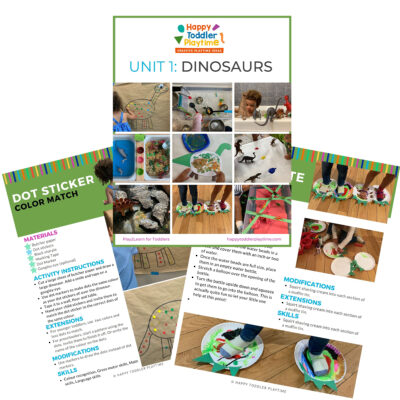
There is no limit to your toddler’s energy and curiosity. That energy and curiosity although a joy can be challenging at times. Their interest in just about everything around them is what makes them great learners. One and two year olds can soak up so much just from their senses!
But as a teacher or parent that thirst for learning can be exhausting. That is why I created this toddler and preschooler program. To help you get the most out of this time with your curious toddler without having to come up with creative ways to play and interact with them.
Play2Learn for Toddlers includes 20 Units for toddlers. Each 2-week toddler unit has 20 super easy to set up and engaging activities for toddlers 18 months to 3 years.
Play2Learn Preschool which includes 20 Units for preschoolers. Each 2-week preschoolers unit has 20 unique and easy to set up and engaging activities for preschoolers 3 years to 5 years. That’s over 800 learning activities for your toddler and preschooler at your fingertips! So many ideas you and your child will never be bored again!
These toddler and preschool lesson plans and activities will definitely keep you and your toddler and preschooler busy playing and learning!
Click here for more information: Play2Learn
Book: Exciting Sensory Bins for Curious Kids
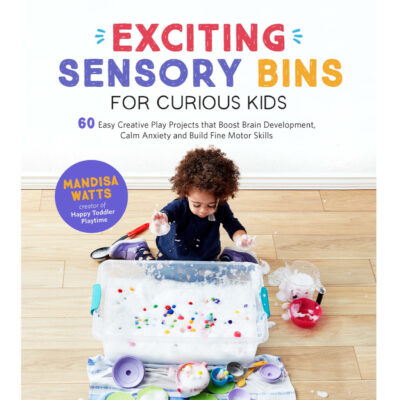
Did you know I wrote a book of sensory bins? Click here for more information Exciting Sensory Bin for Curious Kids. Or grab your copy at Amazon.
Boring afternoons are made exciting with awesome animal-based bins, like Salty Shark Bay or Yarn Farm. Pretend play bins like Birthday Cake Sensory Play or Bubble Tea Party encourage creativity and imagination. And your kids will have so much fun they won’t even know they’re getting smarter with STEAM (science, technology, engineering, art and math) activities like Sink or Float Soup, Magnetic Letter Hunt or Ice Cream Scoop and Count.
Designed for toddlers 18 months and up.
Book: Super STEAM Activity Book for Kids
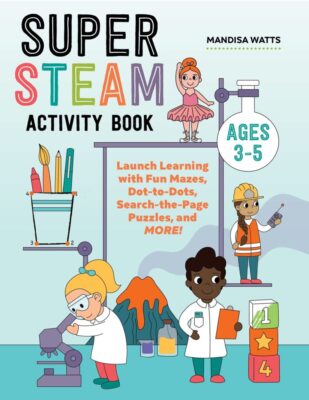
Learning all about science, technology, engineering, art, and math sets kids up for scholastic success―and it can be so much fun! Watch kids enjoy building STEAM skills as they color friendly fish, help water find its way to tree roots, solve math problems with mazes, and more.
Find out more and grab your copy here.
Designed for preschoolers 3 years old and up.
Book: Big Book of Riddles for Kids

Riddle me this: What’s an exciting way to practice critical thinking while having a blast? The Big Riddle Book for Kids, of course! From hilarious puns to tough brain teasers, kids can build problem-solving skills with hundreds of riddles tha. t show them how to think outside the box.
- 350 riddles for kids—Have hours of fun with riddles, puns and jokes, and math and logic puzzles that’ll get their wheels turning!
- Level up their skills—Riddles get trickier as kids progress through the book, challenging them as they get better at solving puzzles!
- Double-check their work—Kids can check their answers in the back of the book with a handy answer key.
Help children expand their minds while having fun with this puzzle book for kids!
Designed for kids ages 6 years old and up.
TV Show: Curious Crafting
I’m so excited to share my crafting TV show Curious Crafting which launched in July 2022 on TVOkids and TVOkids YouTube! Season 2 aired in August 2023! My show was also nominated in 2023 for Best Live Action Preschool Series by the Youth Media Alliance Awards of Excellence.
Curious Crafting Season 1 is also now airing in Australia on ABC! Watch it here!
Set in the ultimate crafting space, Curious Crafting is a short form pre-school age series about the joy of making crafts. I lead a rotating cast of adorable little preschoolers (including my own) making magic out of common household objects.
In each episode we transform recycled items into magical crafts like a milk carton school bus, paper bag puppet or cotton pad turtle. The crafters learn and laugh their way through each activity while demonstrating what their young imaginations can create.
Curious Crafting shares the adventure and joy of making art with takeaway lessons for creating crafts at home.
This show designed for toddlers and preschoolers 2.5 years old and up.