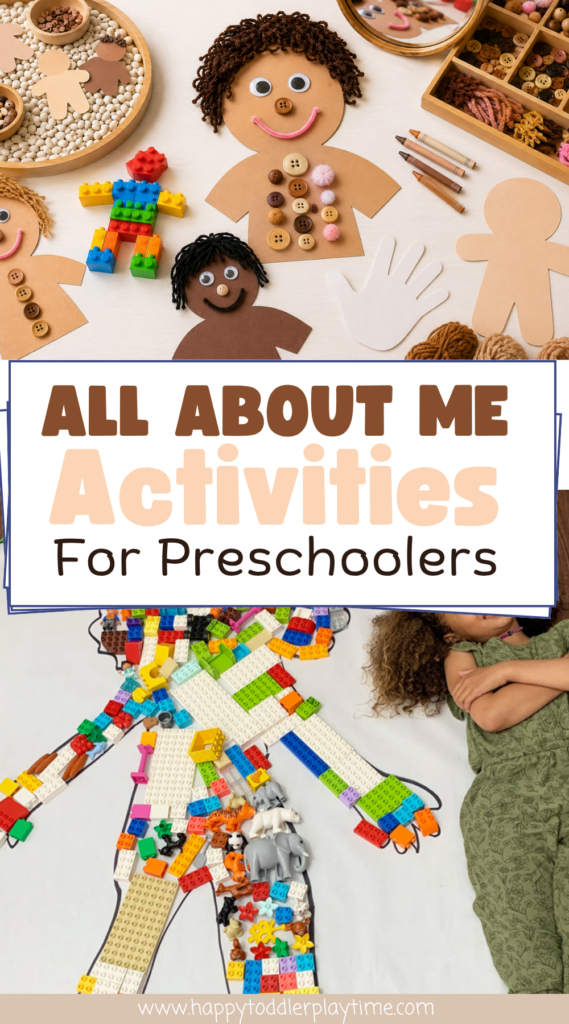

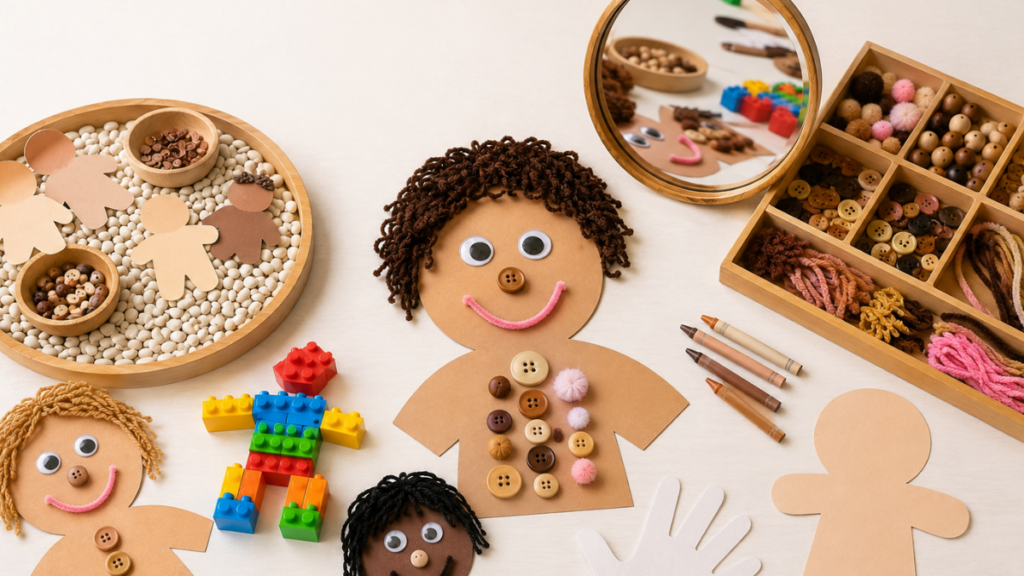
All about me activities for preschoolers are a great way to begin the school year—or reconnect with your class at any time. Children get to explore the most familiar subject they know: themselves!
This preschool theme can include names, faces, families, feelings, favorite things, and the wonderful ways we are alike and different. Better still, the activities do not need to be complicated. A mirror, paper, crayons, and a few everyday supplies can lead to meaningful play and conversation. You can even add toys like LEGO or magnetic tiles.
Below you will find simple art, literacy, math, sensory, and social-emotional activities designed for toddlers and preschoolers. Choose two or three that suit your children and your space. There is no need to do them all. Preschool learning works beautifully in small, playful moments.
Why Try an All About Me Preschool Theme?
Young children are building a sense of identity. They are learning to name their emotions, notice their abilities, talk about the people they love, and understand that every person is unique. This age is the perfect time to start cultivating their identify they way they want to see themselves.
All about me activities can help preschoolers:
- Develop confidence and a positive sense of self
- Practice speaking and listening
- Recognize and build their names
- Strengthen fine-motor skills
- Explore early math concepts such as counting and measuring
- Notice similarities and differences with kindness
- Feel seen and welcomed in the classroom
Keep the invitations open-ended. A child can draw themselves in any color, describe any safe caregiver as family, and choose whether to share personal information. The goal is connection—not a perfectly matched portrait or worksheet.
All About Me Activities for Preschoolers
1. Mirror Self-Portraits
Invite your child to stand in front of a full length mirror if available or hold a hand mirror in one hand or place it on a table. Using window markers or dry erase markers, invite them to trace their face and features directly on the mirror. If using a full length mirror, you can first trace their entire bodies. Make sure the mirror is secure enough to withstand someone pressing on it with it toppling over.
Add details like a nose and eyes, mouth, and hair. Remember these need not be realistic and resist the urge to draw for them (except for tracing their body). A preschool self-portrait is valuable because it shows what the child sees and can do today.
2. Paper Plate Self Portrait Craft
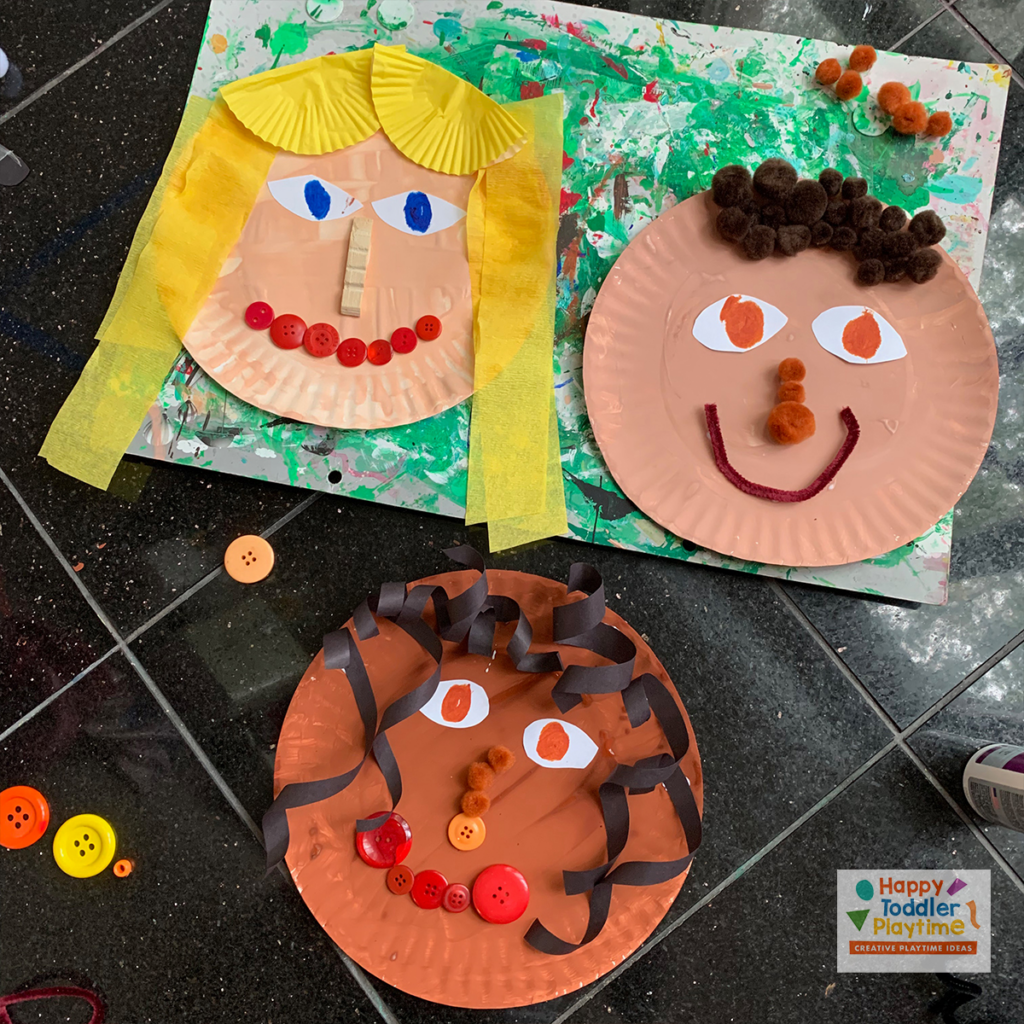
Offer a tray of large loose parts and let children arrange a face on the table. You can use items such as hand mirror, paper plates, paint, bottle caps, yarn, craft sticks, large buttons, pom-poms, construction paper, fabric scraps, or natural materials, scissors and glue.
Invite your child to choose or mix paint to match their skin tone and paint the plate. Then can build, change, and rebuild their faces using the loose part. Once they are happy with their craft, they can glue everything down.
3. Name Collages
First write your child’s name in large letters on a sheet of paper. Invite them to cover the lines of their names with paint using the sponges as paint brushes. This gives them a playful reason to look closely at each letter while strengthening the small muscles used for writing.
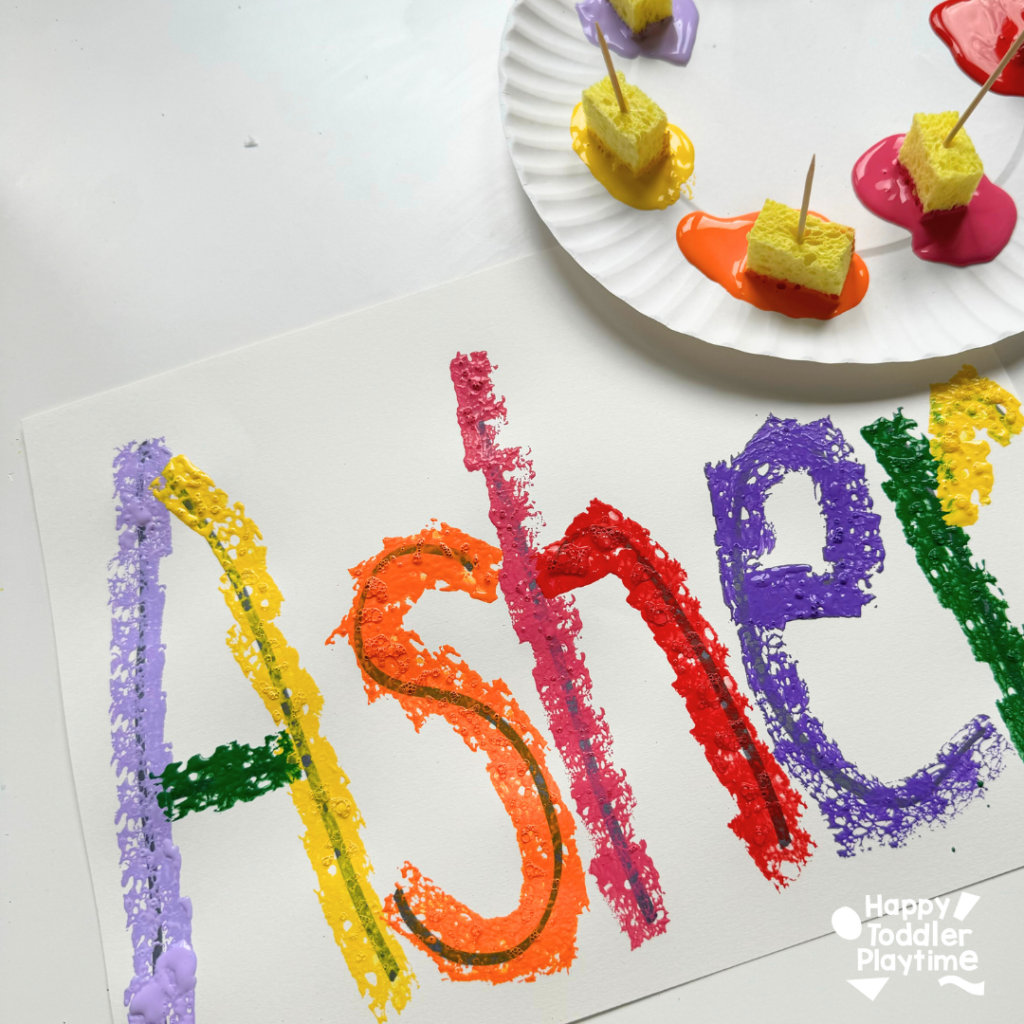
Focus on recognition rather than perfection. Talk about the first letter: “Your name begins with M. Can you find another M nearby?”
There are many ways for preschoolers to crafts, collage or build their name. Check out this post for an extensive list of fun and simple name activities for preschoolers.
4. Build Your Name
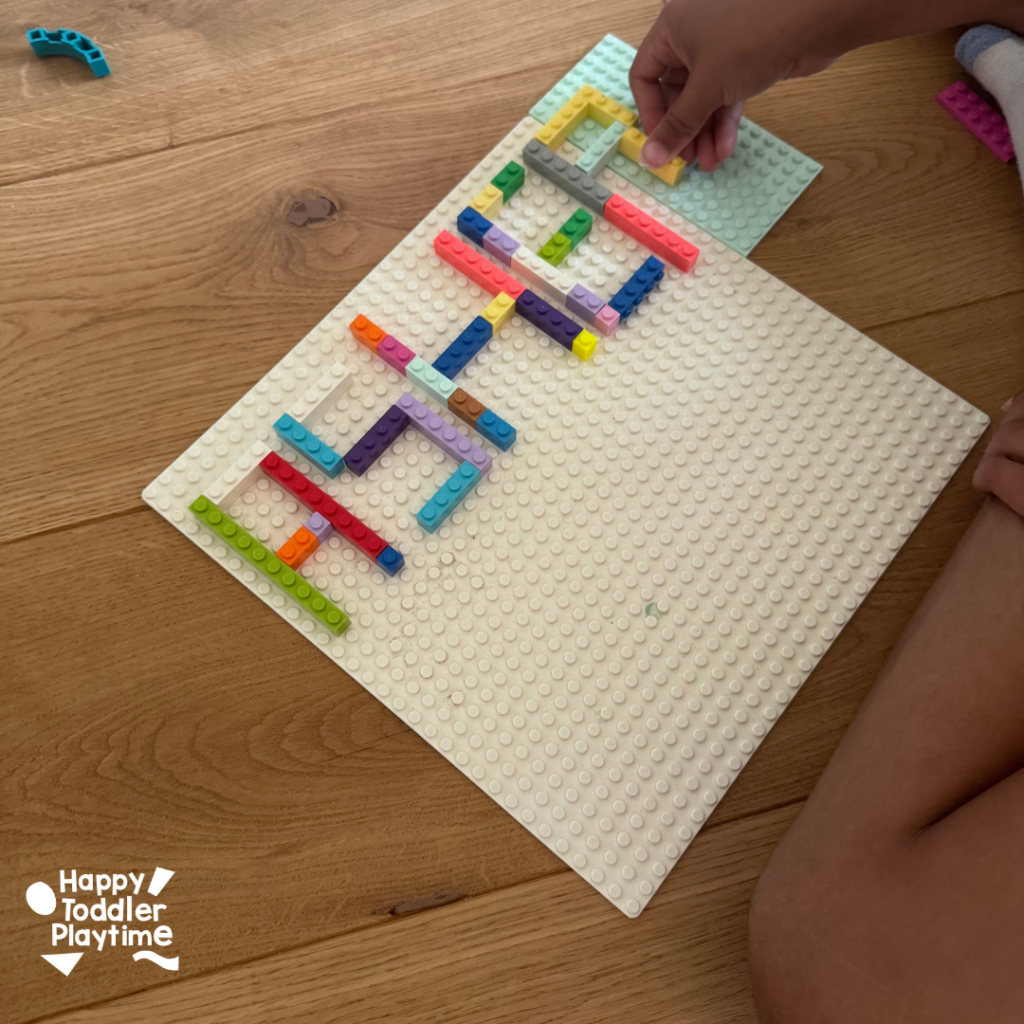
You can use toys to help kids learn to recognize and build their names. Grab a LEGO baseboard or simple write their names in large letters on a large sheet of paper. Invite your child to trace their name using the LEGO directly on the baseboard (appropriate for older children) or have them trace their name by lining the blocks on their name on the paper.
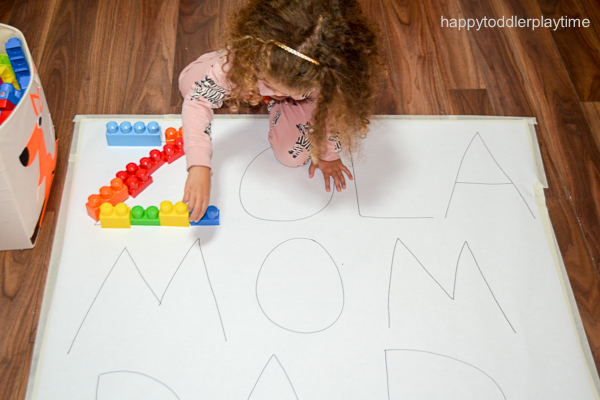
5. “How Tall Am I?” Block Measurement
Use blocks or another nonstandard measuring tool like feathers or shoes or anything you have on hand to measure the length of your child.
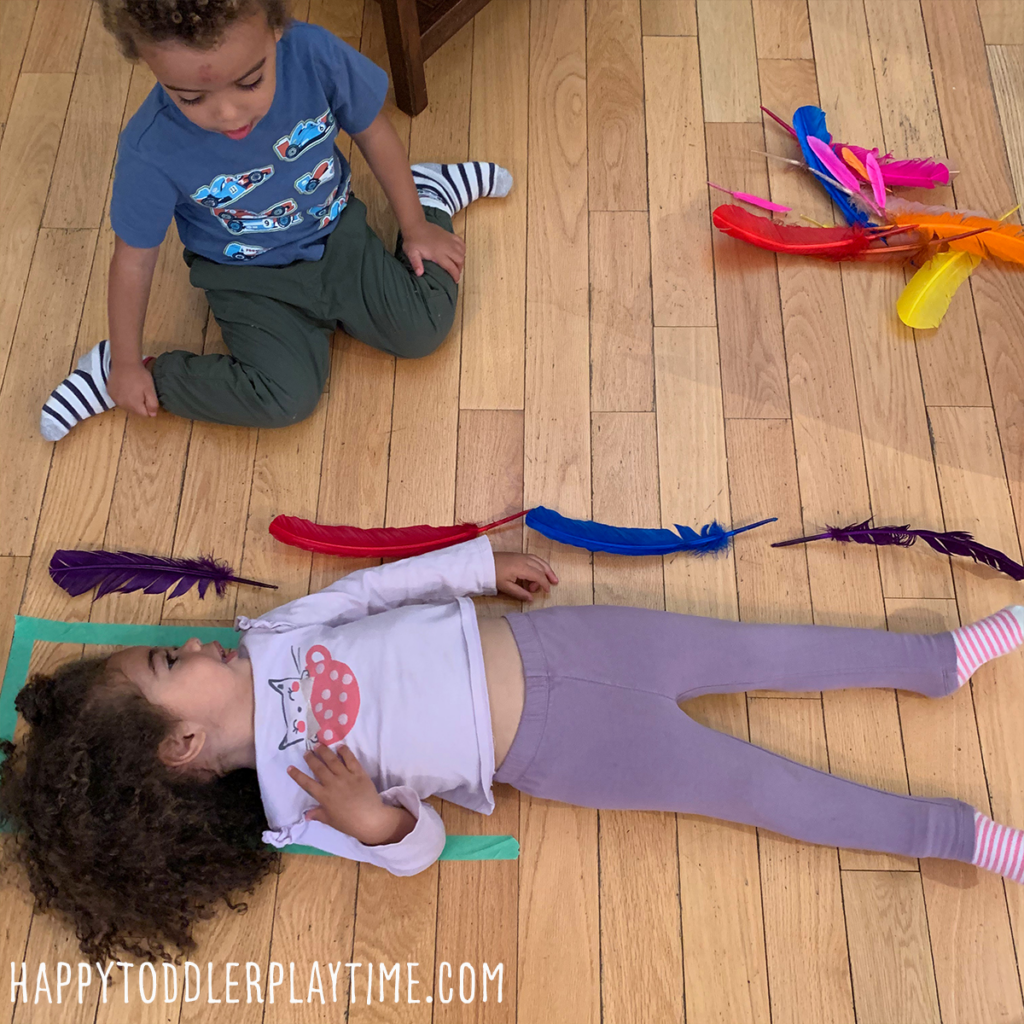
Have a child lie down while you or a partner lines up feathers or blocks from their feet to the top of their head. Count the item together.
Ask simple questions: “Who used more blocks?” “Do you think we will get the same answer with bigger blocks?” This is hands-on preschool math without a worksheet in sight.
6. My Favorite Things Book
Create a paper bag book and let them decorate it and fill it with all the things they love or love about themselves! You can find the full instructions on how to create this paper bag book here.
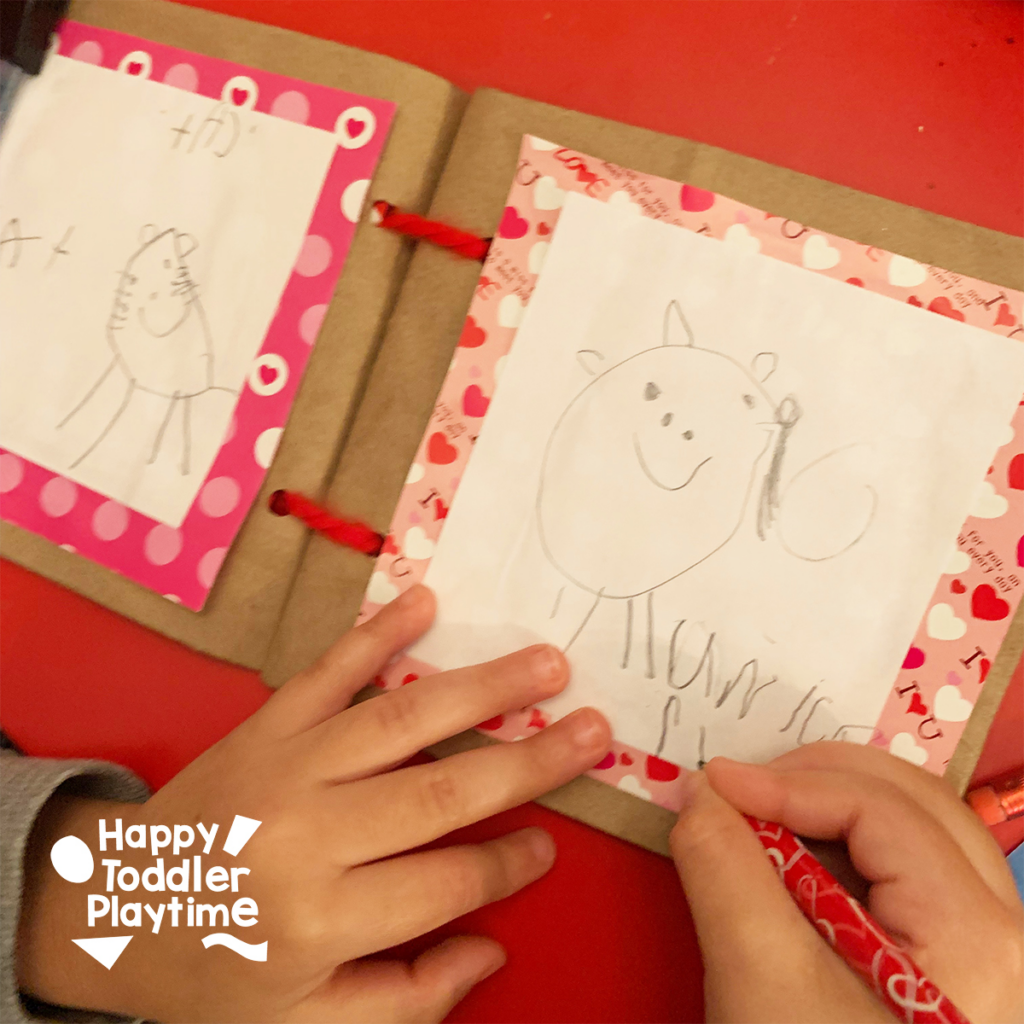
Make a small book with one prompt per page:
- My favorite color is…
- I like to eat…
- I love to play…
- Something that makes me smile is…
- I am proud that I can…
Children can draw, dictate their answers to an adult, or do both. Their exact words make the book special. Read it together, then place it in the classroom library.
7. Family Portrait Invitation
Invite children to draw the people who are important to them. Use inclusive language such as “your family or the people who care for you.” Families can look many different ways, and children should decide whom to include.
Avoid requiring photographs or details about home. A simple art invitation allows every child to participate at a comfortable level. For this activity you’ll need contact paper, painters tape, paint in skin tones and loose parts to create the features. You can include items such as yarn buttons, or beans.
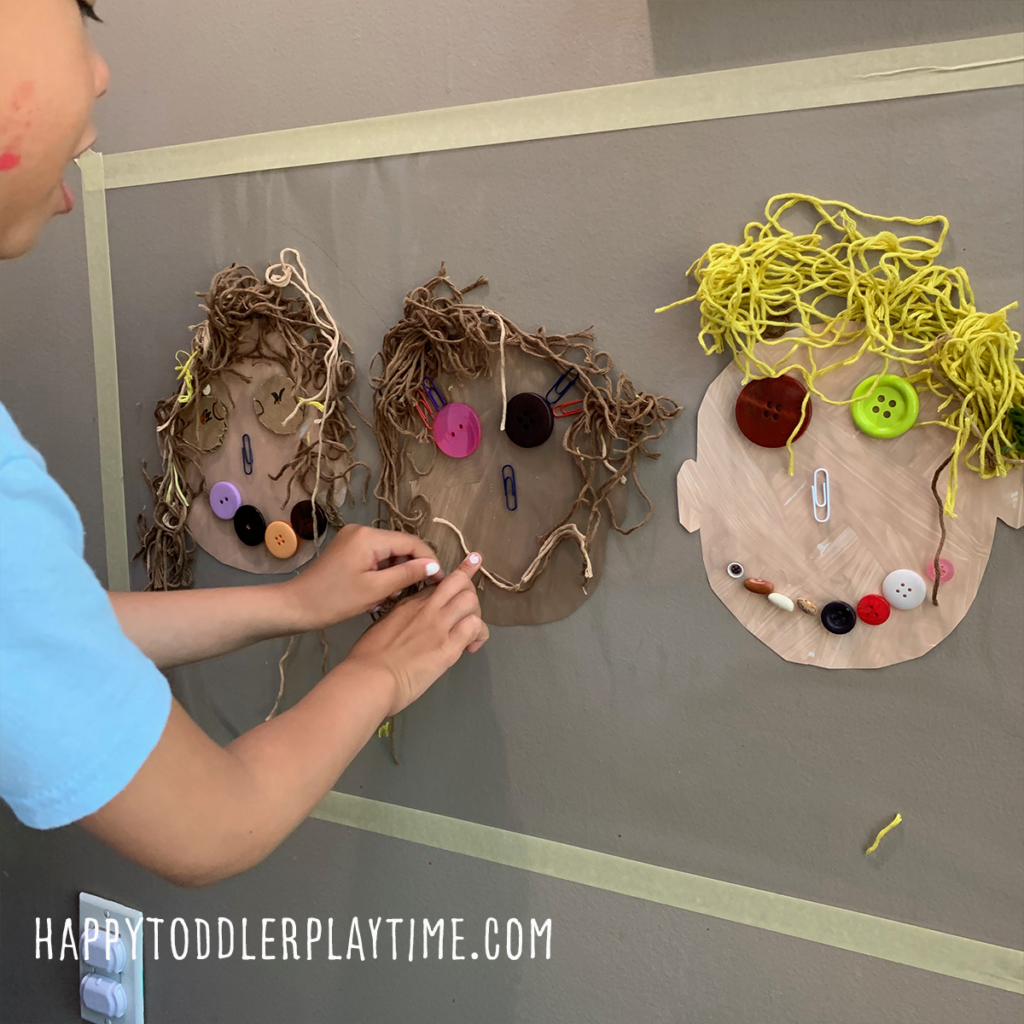
8. Playdough Feelings Faces
Make playdough in different skin tones using food coloring. Flatten the dough into a face shape, then add features to show an emotion. Try happy, worried, excited, frustrated, calm, or sleepy.
Ask, “What might make this person feel that way?” and “What could help them?” Children can change the mouth or eyebrows and watch the expression change, too.
9. Hand and Footprint Measuring
On a large sheet of butcher paper, trace your child’s and every foot print. If you are doing this activity in a class room setting, trace every child’s handprint Make or trace each child’s handprint and footprint and then write their names underneath.
Compare sizes by measuring them using counting blocks or a ruler. Discuss where the best place to measure the hand and footprint from. There are many different ways to measure them and there are no wrong answers. Come up with a way you all agree upon. Repeat with footprint tracings.
10. All About Me Sensory Bin
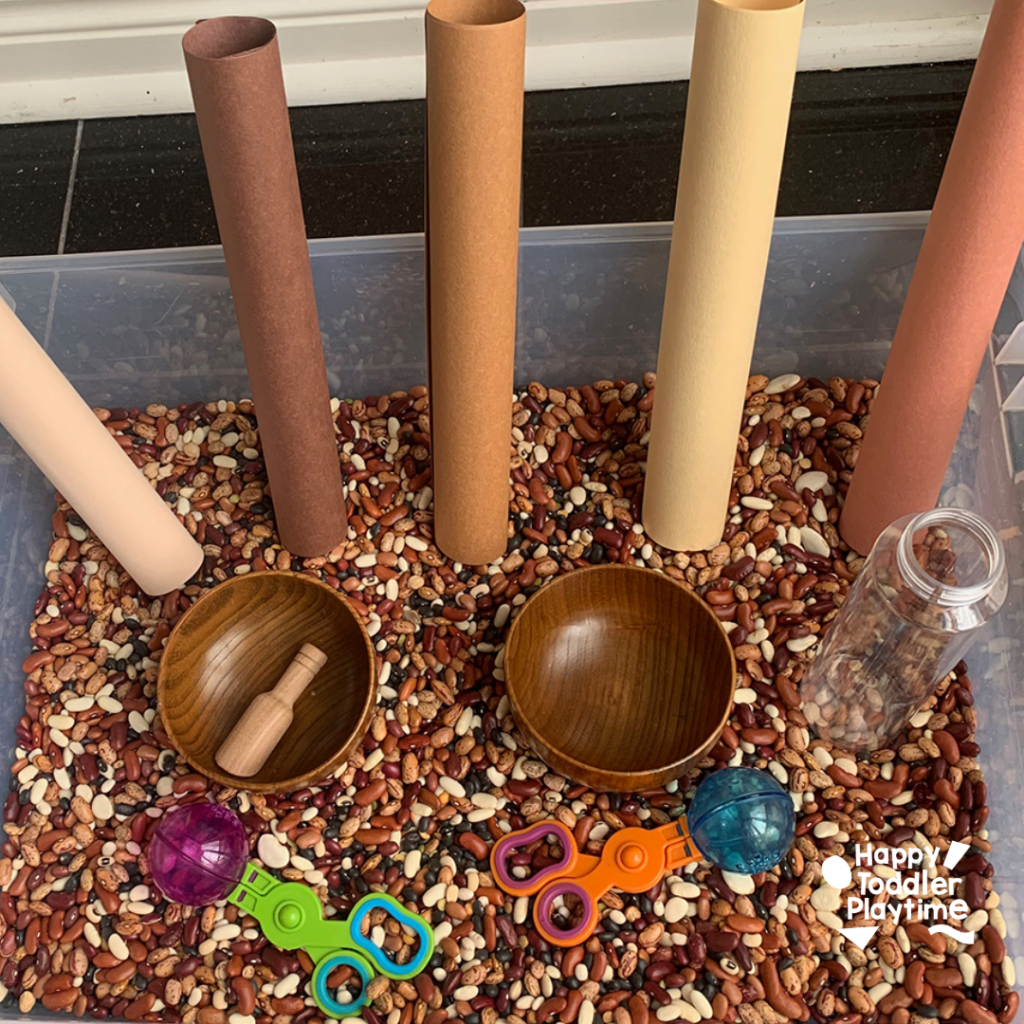
Fill a large bin with a mix of dried beans, then add skin-tone construction paper people representing a variety of families and friends. Include cardboard tubes, scoops, tongs, and small bowls for pouring, transferring, and sorting.
Invite children to sort beans by color, size, or type, match figures with similar or different skin tones, and create stories about themselves. Ask questions about names, families, favorite things, and unique qualities. Supervise closely, as beans are a choking hazard for young children.
11. LEGO Body Trace Activity
Create a life-size LEGO body trace for a playful All About Me activity.
Have a child lie on a large sheet of paper while an adult traces around their body. Invite the child to build along the outline using LEGO bricks, choosing colors and shapes.
Add brick details for hair, eyes, clothing, shoes, and favorite accessories. Encourage children to compare height, count bricks, name body parts, and talk about what makes them unique.
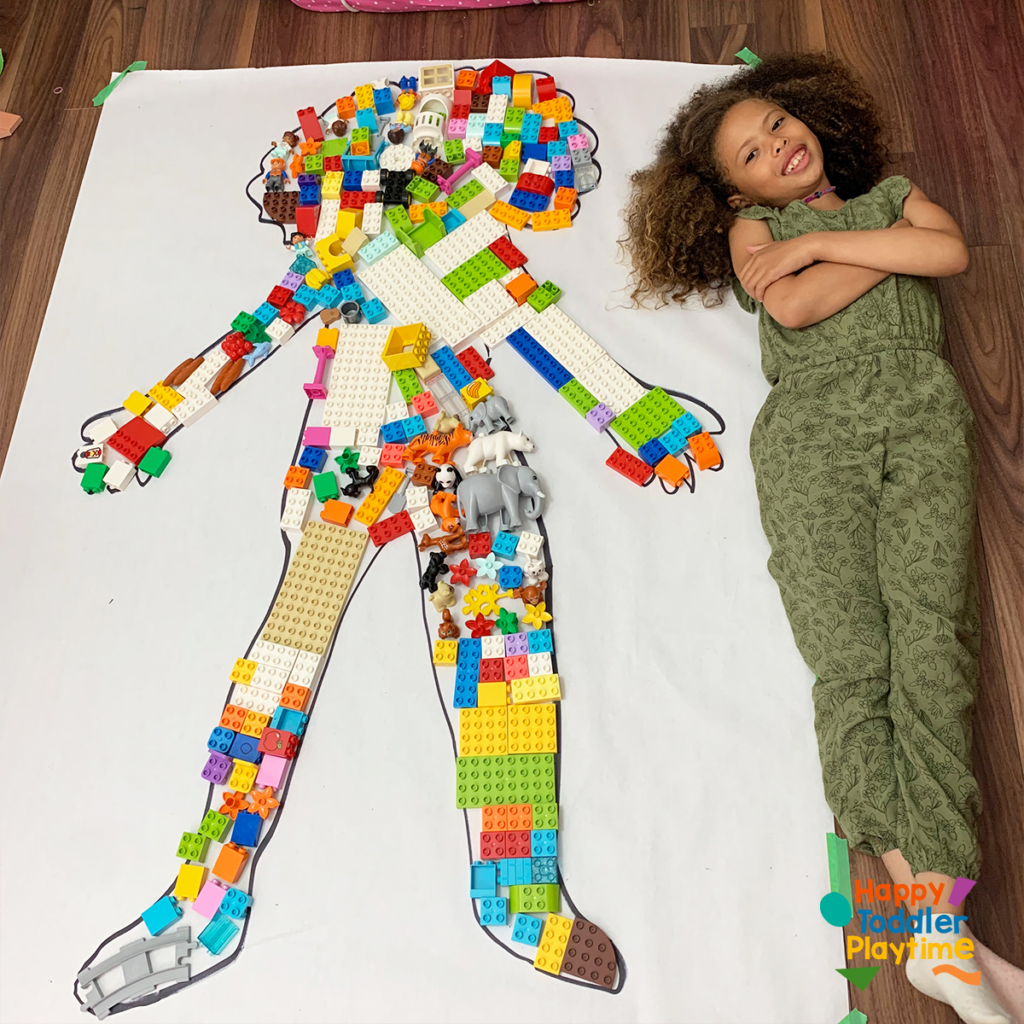
Display the finished creations as a classroom community. Always supervise the activity and keep small LEGO pieces away from children who may place them in their mouths.
12. Class Birthday Graph
Create a Class Birthday Graph to help children learn about one another while practicing calendar and math skills.
Prepare a chart with the twelve months labeled across the bottom or side. Give each child a card featuring their name, photo, or self-portrait, then help them place it beside their birthday month. Count how many birthdays occur each month and compare groups using words such as more, fewer, most, least, and equal. Discuss seasons, upcoming celebrations, and the order of the months. Display the graph throughout the year and revisit it regularly.
If your setting does not collect birthdays, graph favorite colors, pets, or types of play instead. The learning goal is sorting and comparing—not gathering private information.
13. “I Can” Celebration Wall
Create an “I Can” Celebration Wall to highlight each child’s growing skills, confidence, and individuality.
Invite children to complete the sentence “I can…” with something they feel proud of, such as tying shoes, drawing animals, helping a friend, speaking two languages, or writing their name. Record each response on a card and add a photo or child-made picture.
Display the cards where everyone can see them. Revisit the wall regularly so children can add new accomplishments and celebrate their progress. Encourage classmates to notice and appreciate one another’s strengths without comparing abilities. Every achievement deserves recognition, whether big or small.
14. My Special Treasure Bag
Create My Special Treasure Bag to encourage children to share meaningful parts of their lives.
Send each child home with a paper or fabric bag and invite them to choose three to five items that represent their interests, family, culture, experiences, or favorite memories. Children might bring a photograph, small toy, postcard, drawing, or natural object. During group time, let each child open their bag, show the treasures, and explain why they are special. Encourage classmates to listen and ask respectful questions.
Return all items afterward. Remind families not to send valuable, fragile, sharp, edible, or irreplaceable objects to school.
15. Friendship Similarities Hunt
Organize a Friendship Similarities Hunt to help children discover what they share with their classmates.
Prepare picture or word prompts featuring preferences and experiences, such as favorite colors, pets, foods, games, books, family traditions, or activities.
Children move around the room, talk with classmates, and find someone who shares each answer. They can add names, stickers, or drawings to their hunt sheet. Gather afterward to discuss surprising connections and celebrate differences too.
Emphasize that friends do not need to be exactly alike. Model respectful questions, allow children to skip anything personal, and support nonreaders with pictures, partners, or adult assistance.
Helpful Tips for Teachers and Parents
- Model curiosity instead of judging the finished product.
- Write down children’s words to honor their ideas and add print awareness.
- Offer adaptive scissors, chunky crayons, larger loose parts, or pre-cut paper when helpful.
- Never require a child to share private family details.
- Use books, dolls, and art materials that reflect varied skin tones, cultures, abilities, and family structures.
- Treat children’s invented spelling and early drawings as meaningful work.
The best all about me activities for preschoolers send one clear message: You belong here, your ideas matter, and there is so much to discover about you.
Frequently Asked Questions
Q: What is an All About Me theme for preschoolers?
It is a collection of activities about children’s names, bodies, feelings, families, interests, and abilities. The theme supports identity, language, early academics, and classroom connection.
Q: What age is best for All About Me activities?
Most activities work well for ages 3 to 5. Adapt materials and expectations to each child’s development—for example, use larger pieces for younger children and add writing prompts for older preschoolers.
Q: What supplies do I need?
Basic supplies are enough: paper, crayons, washable paint, playdough, blocks, a child-safe mirror, and recycled collage materials. You do not need a printable or a large craft haul.
Q: How long should an activity last?
Follow the child’s interest. Many preschool activities last 10 to 20 minutes, but some children will finish sooner or return later. Engagement matters more than the clock.
Q: How can I make the theme inclusive?
Use open language about families, provide diverse art materials and books, respect children’s privacy, and avoid assumptions about homes, abilities, gender, or culture. Let each child decide how to represent themselves.
Q: Which activity is easiest to start with?
Try mirror self-portraits. Set out a mirror, paper, and crayons, then invite the child to draw what they notice. It is low-prep, open-ended, and easy to repeat throughout the year.
An All About Me preschool theme is not just a cute back-to-school unit. It helps children find words for who they are, learn about others, and build a sense of belonging.
Pick one easy idea, place the materials on the table, and let the children take it from there. Their wonderfully original answers are the heart of the activity.
Play2Learn Toddler & Preschool Programs for Curious Toddlers
There is no limit to your toddler’s energy and curiosity. That energy and curiosity although a joy can be challenging at times. Their interest in just about everything around them is what makes them great learners. One and two year olds can soak up so much just from their senses!
But as a teacher or parent that thirst for learning can be exhausting. That is why I created this toddler and preschooler program. To help you get the most out of this time with your curious toddler without having to come up with creative ways to play and interact with them.
Play2Learn for Toddlers includes 20 Units for toddlers. Each 2-week toddler unit has 20 super easy to set up and engaging activities for toddlers 18 months to 3 years.
Play2Learn Preschool which includes 20 Units for preschoolers. Each 2-week preschoolers unit has 20 unique and easy to set up and engaging activities for preschoolers 3 years to 5 years. That’s over 800 learning activities for your toddler and preschooler at your fingertips! So many ideas you and your child will never be bored again!
These toddler and preschool lesson plans and activities will definitely keep you and your toddler and preschooler busy playing and learning!
Click here for more information: Play2Learn
Book: Exciting Sensory Bins for Curious Kids
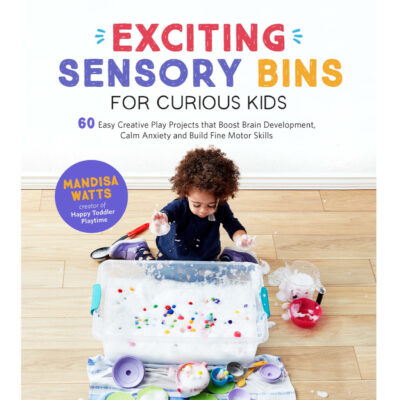
Did you know I wrote a book of sensory bins? Click here for more information Exciting Sensory Bin for Curious Kids. Or grab your copy at Amazon.
Boring afternoons are made exciting with awesome animal-based bins, like Salty Shark Bay or Yarn Farm. Pretend play bins like Birthday Cake Sensory Play or Bubble Tea Party encourage creativity and imagination. And your kids will have so much fun they won’t even know they’re getting smarter with STEAM (science, technology, engineering, art and math) activities like Sink or Float Soup, Magnetic Letter Hunt or Ice Cream Scoop and Count.
Designed for toddlers 18 months and up.
Book: Super STEAM Activity Book for Kids
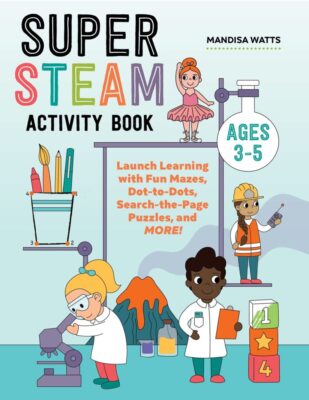
Learning all about science, technology, engineering, art, and math sets kids up for scholastic success―and it can be so much fun! Watch kids enjoy building STEAM skills as they color friendly fish, help water find its way to tree roots, solve math problems with mazes, and more.
Find out more and grab your copy here.
Designed for preschoolers 3 years old and up.
Book: Big Book of Riddles for Kids
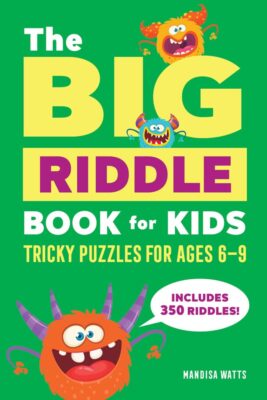
Riddle me this: What’s an exciting way to practice critical thinking while having a blast? The Big Riddle Book for Kids, of course! From hilarious puns to tough brain teasers, kids can build problem-solving skills with hundreds of riddles tha. t show them how to think outside the box.
- 350 riddles for kids—Have hours of fun with riddles, puns and jokes, and math and logic puzzles that’ll get their wheels turning!
- Level up their skills—Riddles get trickier as kids progress through the book, challenging them as they get better at solving puzzles!
- Double-check their work—Kids can check their answers in the back of the book with a handy answer key.
Help children expand their minds while having fun with this puzzle book for kids!
Designed for kids ages 6 years old and up.
TV Show: Curious Crafting
I’m so excited to share my crafting TV show Curious Crafting which launched in July 2022 on TVOkids and TVOkids YouTube! Season 2 aired in August 2023! My show was also nominated in 2023 for Best Live Action Preschool Series by the Youth Media Alliance Awards of Excellence.
Curious Crafting Season 1 is also now airing in Australia on ABC! Watch it here!
Set in the ultimate crafting space, Curious Crafting is a short form pre-school age series about the joy of making crafts. I lead a rotating cast of adorable little preschoolers (including my own) making magic out of common household objects.
In each episode we transform recycled items into magical crafts like a milk carton school bus, paper bag puppet or cotton pad turtle. The crafters learn and laugh their way through each activity while demonstrating what their young imaginations can create.
Curious Crafting shares the adventure and joy of making art with takeaway lessons for creating crafts at home.
This show designed for toddlers and preschoolers 2.5 years old and up.