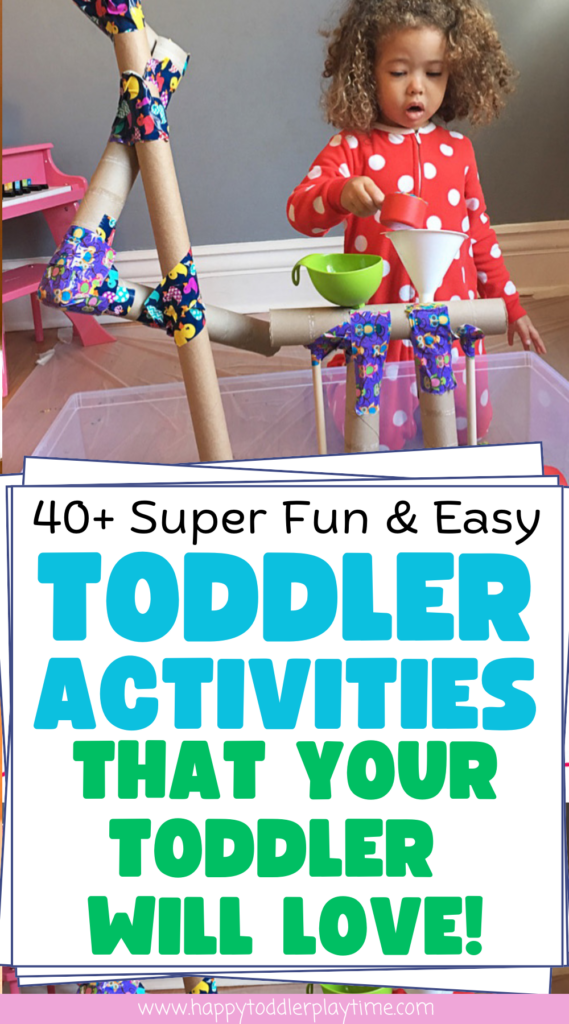


Easy low prep toddler activities.
Ever had one of those days when your toddler’s energy seems boundless, and you’re scrambling for ways to keep them entertained?
We’ve all been there.
Imagine turning those moments into exciting adventures filled with giggles, creativity, and discovery. Sounds great, right?
If you’re on the hunt for engaging and easy activities to keep your toddler entertained, you’ve come to the right place.
We all know how challenging it can be to find activities that are both fun and educational, but don’t worry, I’ve got you covered. In this list, I’ve gathered some of the best easy toddler activities that are not only simple to set up but also guaranteed to bring joy to your little one’s day.
Frequently Asked Questions
1. What activities are best for toddlers at home?
The best toddler activities are simple, hands-on, and open-ended. Sensory play, stacking and sorting games, movement activities, art exploration, and pretend play are all great choices. Toddlers learn best through play that allows them to explore, touch, move, and experiment at their own pace.
2. How do I keep my toddler busy without a lot of prep?
Choose activities that use everyday household materials like cups, spoons, paper, boxes, and safe sensory fillers like rice or water. Simple setups like pouring stations, sticker play, or container filling activities can keep toddlers engaged for long periods with minimal preparation.
3. How long should toddlers play independently?
Many toddlers can play independently for 5–15 minutes at a time, depending on their age and interest. Short, simple activities with clear materials often help toddlers stay focused longer. Independent play builds confidence, creativity, and problem-solving skills.
4. What skills do toddlers learn through play?
Play helps toddlers develop important early skills, including:
- Fine motor control
- Hand-eye coordination
- Balance and movement skills
- Language development
- Problem-solving
- Sensory processing
- Early math concepts like sorting and counting
Simple activities support brain development and learning in natural, meaningful ways.
5. What are low-mess activities for toddlers?
Low-mess toddler activities include sticker play, sorting games, building with blocks, pouring dry materials, puzzles, lacing cards, and simple movement games. Using trays, bins, or mats can also help keep play contained and easy to clean up.
6. How many activities should toddlers do each day?
Toddlers don’t need a strict schedule of structured activities. A mix of free play, outdoor movement, quiet play, and one or two simple activity invitations each day is usually plenty. Following your child’s interests is the best guide.
7. What age are these toddler activities best for?
Most easy toddler activities work well for children ages 1 to 3, but many can be adapted for younger or older children. You can adjust materials, difficulty level, and supervision based on your child’s development and abilities.
8. Are sensory activities good for toddlers?
Yes — sensory activities are excellent for toddlers. They help children explore textures, build fine motor skills, improve focus, and support brain development. Sensory play also encourages curiosity and independent exploration.
9. What are quick activities for busy parents?
Some of the fastest toddler activities to set up include:
- pouring water between cups
- sticker collages
- container filling and dumping
- simple obstacle courses
- stacking and sorting games
- paper tearing or crumpling
These take just a few minutes to prepare but can keep toddlers engaged much longer.
10. How to Choose the Right Toddler Activity
Not sure what activity to try? Use this simple guide to match playtime with your toddler’s mood, energy level, and needs.
If your toddler has LOTS of energy… Choose gross motor or movement activities. These help burn energy and improve coordination.
Try:
- obstacle courses
- dancing or music movement
- jumping games
- pushing or pulling toys
- outdoor play
- ball play
Best for: morning energy bursts, pre-nap wiggles, rainy day restlessness.
If your toddler needs to calm down… Choose sensory or quiet focus activities. These help regulate emotions and encourage concentration.
Try:
- sensory bins
- water pouring
- playdough
- scooping and transferring
- puzzle play
- simple sorting
Best for: after transitions, before nap, emotional moments.
If your toddler is bored and restless… Choose novelty or exploration. Something new or different can reset attention quickly.
Try:
- themed sensory bin
- new art materials
- treasure hunt
- building challenge
- nature collection
Best for: afternoon boredom, long indoor days.
If your toddler wants to be creative… Choose art and open-ended play. These encourage imagination and self-expression.
Try:
- painting
- collage
- playdough creations
- drawing
- craft invitations
Best for: quiet playtime, independent play, creative moods.
If your toddler wants to “help” or copy you… Choose practical life activities. Toddlers love real-world tasks that feel meaningful.
Try:
- pouring and transferring
- wiping surfaces
- sorting laundry
- food prep helping
- organizing containers
Best for: building independence and focus.
If your toddler needs learning practice… Choose early learning activities. These build thinking and problem-solving skills through play.
Try:
- counting games
- sorting by color or size
- matching cards
- simple puzzles
- pattern building
Best for: short focused play sessions.
If your toddler wants to play pretend… Choose imaginative play. Great for language development and storytelling.
Try:
- toy kitchen
- dolls or figurines
- dress-up
- building small worlds
- role playing
Best for: social development and creativity.
You don’t need a full schedule — just match the activity to your toddler’s current state. The “right” activity is the one that meets their needs in the moment.
Practical Skills Toddler Activities
1. Book Drop Activity
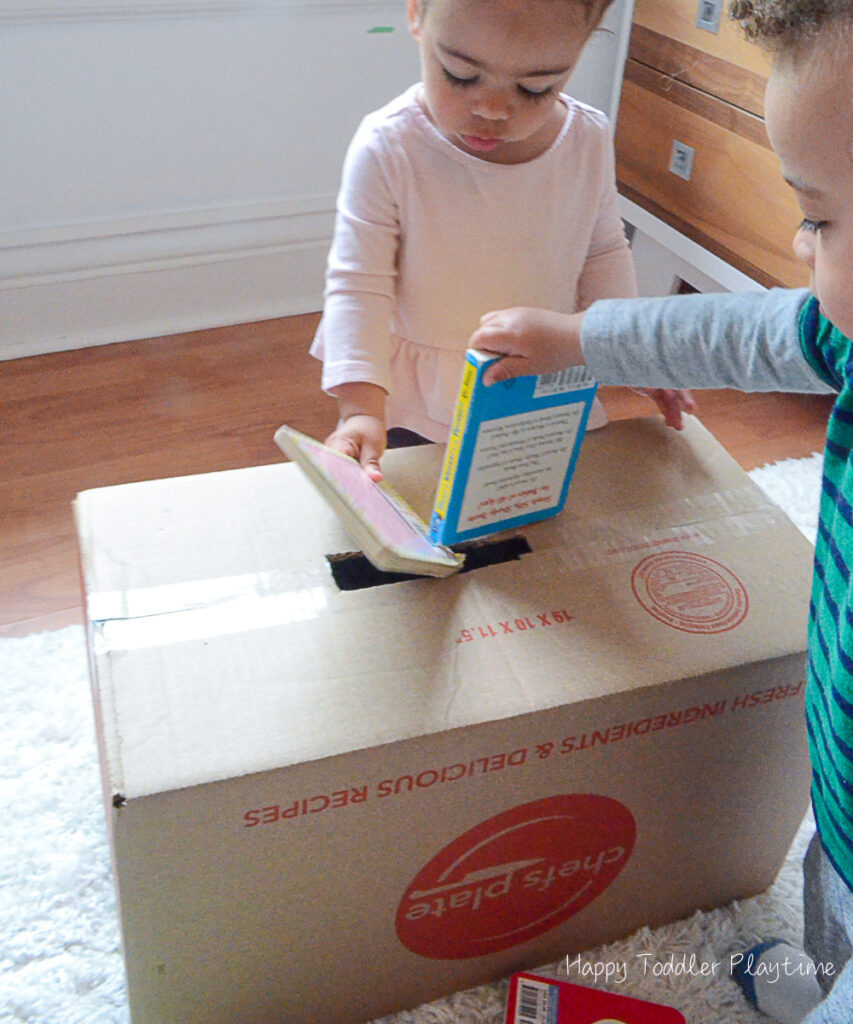
Materials Needed:
- A variety of sturdy board books or soft books
- A cardboard box
- Scissors
- Colorful tape (optional)
Quick Setup:
- Choose a simple, cardboard box, cut a rectangular hole on the top similar in size to your board books. if you like, decorate it with colorful tape to make it visually appealing (have your toddler help!).
- Gather a selection of board books or soft books and place them next to the box.
- Encourage your toddler to pick up each book and drop it into the bin.
2. Green Pea Transfer

What You’ll Need:
- Sensory bin
- Frozen green peas
- Spoons
- Small containers, Tupperware, or bowls
Quick Setup:
- Fill your sensory bin with a generous amount of frozen green peas.
- Place several small containers, Tupperware, or bowls around the bin or within reach of your child.
- Provide spoons suitable for their hands.
- The activity involves your child using the spoons to transfer peas from the sensory bin into the various containers.
3. Playing with a Salad Spinner


Materials Needed:
- Salad spinner
- Pouch caps or small, lightweight objects
- Water and soap (optional for a bubbly effect)
Quick Setup:
- Place the salad spinner on the floor or a stable, flat surface and open the top.
- If using pouch caps, have your toddler fill the basket with them.
- Alternatively, you can create a bubbly sensory experience by adding a small amount of water and a squirt of soap into the spinner. Show your toddler how to push down on the spinner handle or turn it, depending on the model.
- As they spin, they’ll be delighted by the whirling motion and, if using soap, the creation of bubbles.
4. Free the Zoo Animals
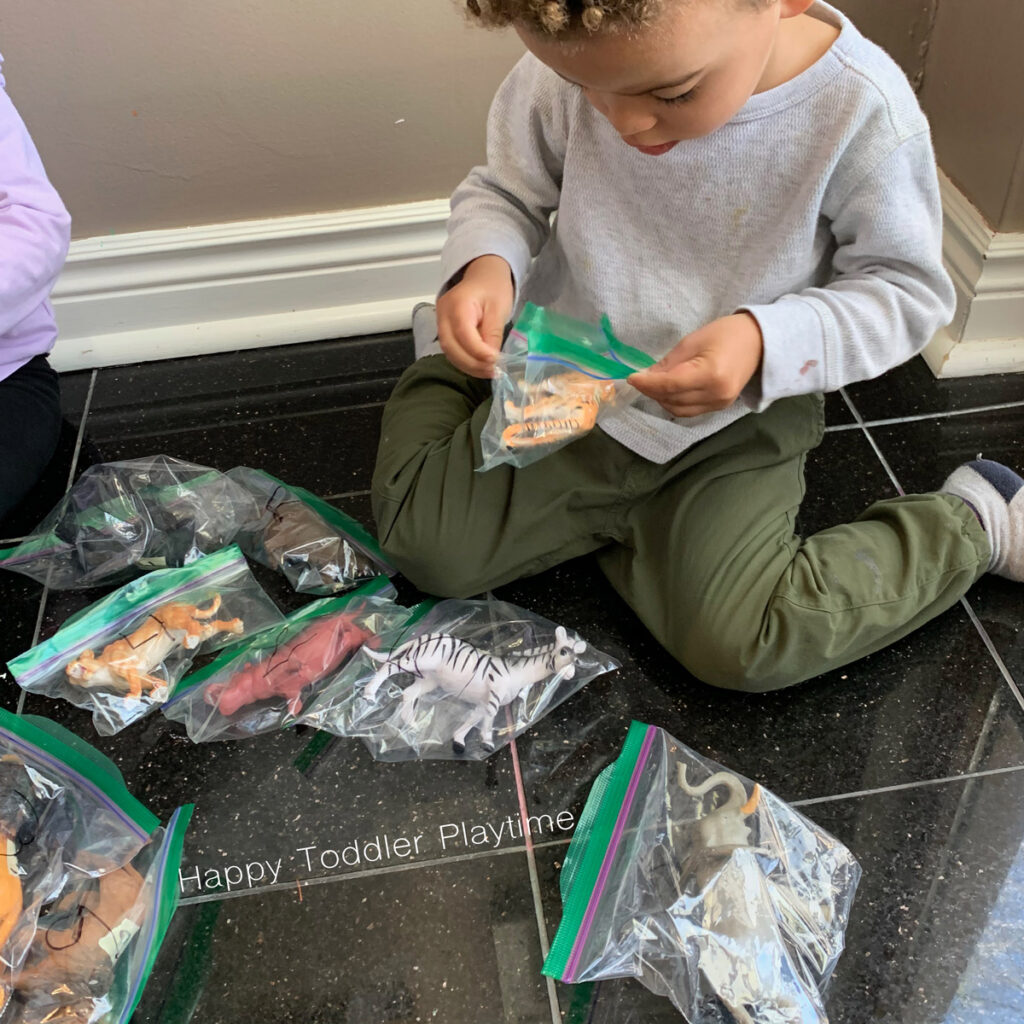
What You’ll Need:
- Plastic zoo animals
- Snack ziplock bags
Quick Setup:
- Place the plastic zoo animals in small snack sized ziplock bags, making it look like they are trapped.
- Encourage your toddler to use their fingers to stretch and pull the bags open to free the animals.
5. Snack Necklaces


Materials Needed:
- String or yarn (ensure it’s safe for children)
- Scissors
- Plastic embroidery needles
- Edible items with holes or that can be easily pierced, such as pretzels, cereal loops, dried apple rings, or gummy rings
Quick Setup:
- Cut the string or yarn to a length that will comfortably fit over your child’s head once tied.
- Tape one end of the string to make it stiff, which will act like a needle and make threading easier or use a plastic embroidery needle.
- Lay out the edible items on a plate or tray and demonstrate to your toddler how to thread them onto the string.
- Once they have added enough items to make a full necklace, help them tie the ends together securely.
6. Foil Puzzle Presents

Materials Needed:
- Aluminum foil
- Small toys or puzzle pieces
Quick Setup:
- Begin by selecting a few small toys or puzzle pieces that are safe and suitable for your toddler.
- Wrap each item individually in aluminum foil, making sure they are fully covered.
- Spread out the foil-wrapped items on the floor or in a shallow box and invite your toddler to unwrap them.
Gross Motor Toddler Activities
7. Mega Blok Jumping


What You’ll Need:
- Mega Bloks or any large, lightweight building blocks
- Clear floor space
Quick Setup:
- Use the Mega Bloks to create a small “obstacle course” on a clear area of the floor.
- Build simple structures such as low walls, towers, and paths that your toddler can navigate around.
- Encourage your toddler to jump over the low walls, walk along the paths, and step around on.
8. Snowball (or Cloud) Pick Up

What You’ll Need:
- Cardboard box
- Tongs
- Cotton balls
Quick Setup:
- Place a cardboard box on the floor and scatter cotton balls just outside the box within arms reach, which will represent clouds.
- Provide your toddler with a pair of tongs and invite them to get into box.
- Show them how to use the tongs to pick up the cotton balls and transfer them into the box to another container or area on the floor.
9. Bubble Wrap Road Activity
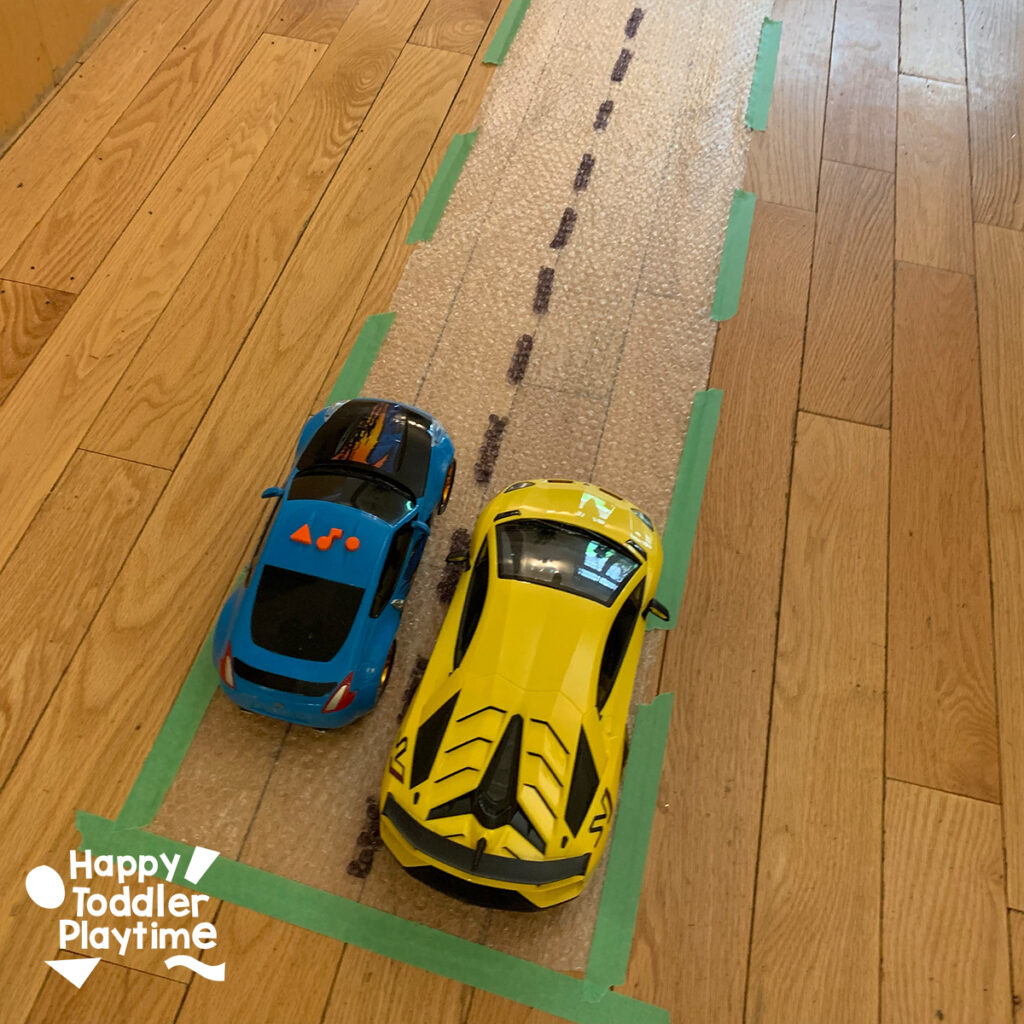
What You’ll Need:
- Bubble wrap
- Tape
- Toy cars, trucks, or other small wheeled toys
Quick Setup:
- Lay out lengths of bubble wrap on the floor, securing the edges with tape to prevent slipping.
- The bubble wrap should be laid out like roads or tracks, you can use a sharpie to draw the lines in the road in the middle of the bubble wrap.
- Provide your child with toy cars, trucks, or any small wheeled toys to drive over the bubble wrap.
- As the toys move over the bubble wrap, the popping sound creates a fun auditory experience, and the texture under their hands or feet (if they walk on it) adds a tactile element to their play.
Early Learning Toddler Activities
10. Dot Sticker Turtle
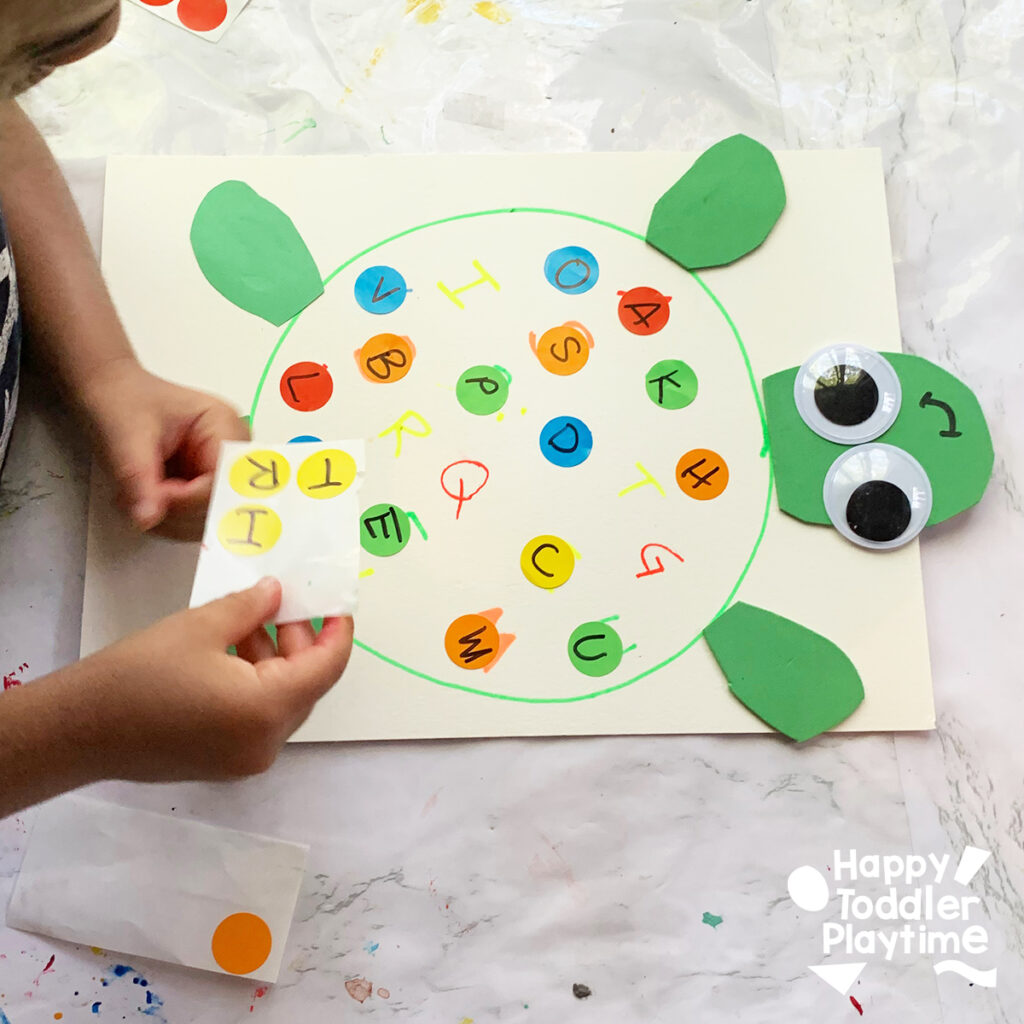
What You’ll Need:
- Sheet of paper
- Green Construction Paper
- Scissors
- Googles Eyes
- Glue
- Dot stickers in various colors
- Marker or crayons
Quick Setup:
- Draw a turtle shape on a sheet of paper.
- Cut out a head and legs from green construction paper and glue them on including googley eyes. Use the marker to write letters or dot marker to make colored dots inside the outline of the turtle’s shell.
- Provide your toddler with dot stickers in various colors. If practicing letters, write the matching letters on the dot stickers.
- Encourage them to place the stickers inside the sections of the turtle’s shell, matching the color or letter creating colorful patterns.
11. Fish Color Sorting
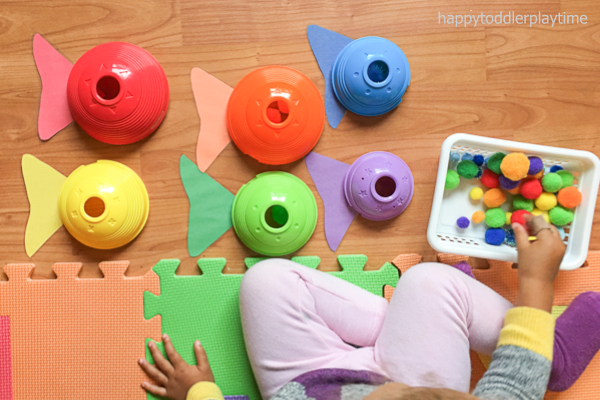
What You’ll Need:
- Stacking cups
- Pom Poms
- Construction paper
- Scissors
- Tape
Quick Setup:
- Cut out fish tails from construciton paper to match the colors of the stacking cups.
- Tape them to the floor and place the stacking bowls on them so they looks like little colorful fish.
- Invite toddler to sort the Pom Poms based on color.
12. Color Sorting Box with Popsicle Sticks
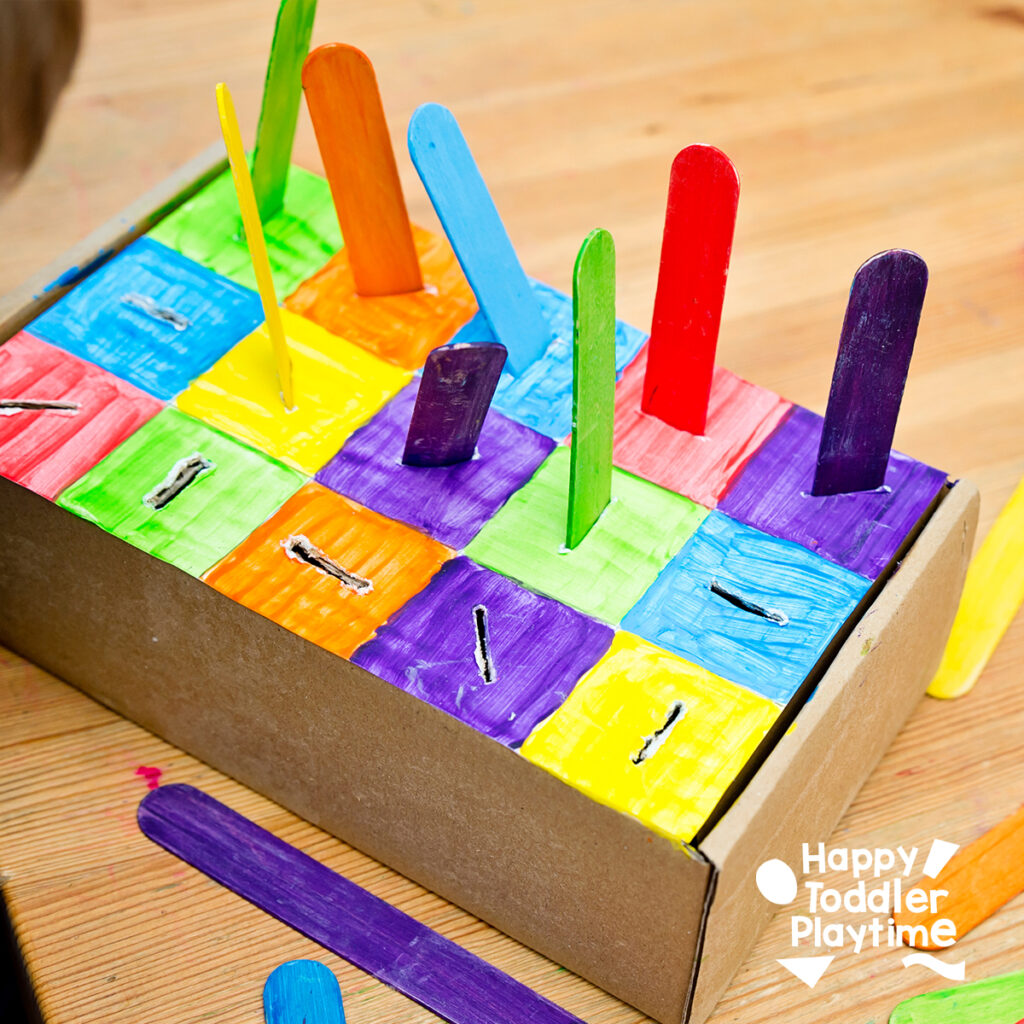
What You’ll Need:
- Large craft sticks
- Markers
- Shoe box
Quick Setup:
- Start by coloring each end of the large craft sticks with different colors using markers.
- You can use a range of colors depending on how challenging you want the sorting activity to be.
- Next, cut slits in the lid of the shoe box, ensuring each slit is wide enough to fit a craft stick.
- Label each slit with a color that corresponds to the colors on the craft sticks.
- Your child can then match the color on the stick to the labeled slit and insert the stick into the correct slot.
RELATED: 45+ Sensory Bags for 1 Year Olds
Toddler Art Activities
13. Foil Painting Activity
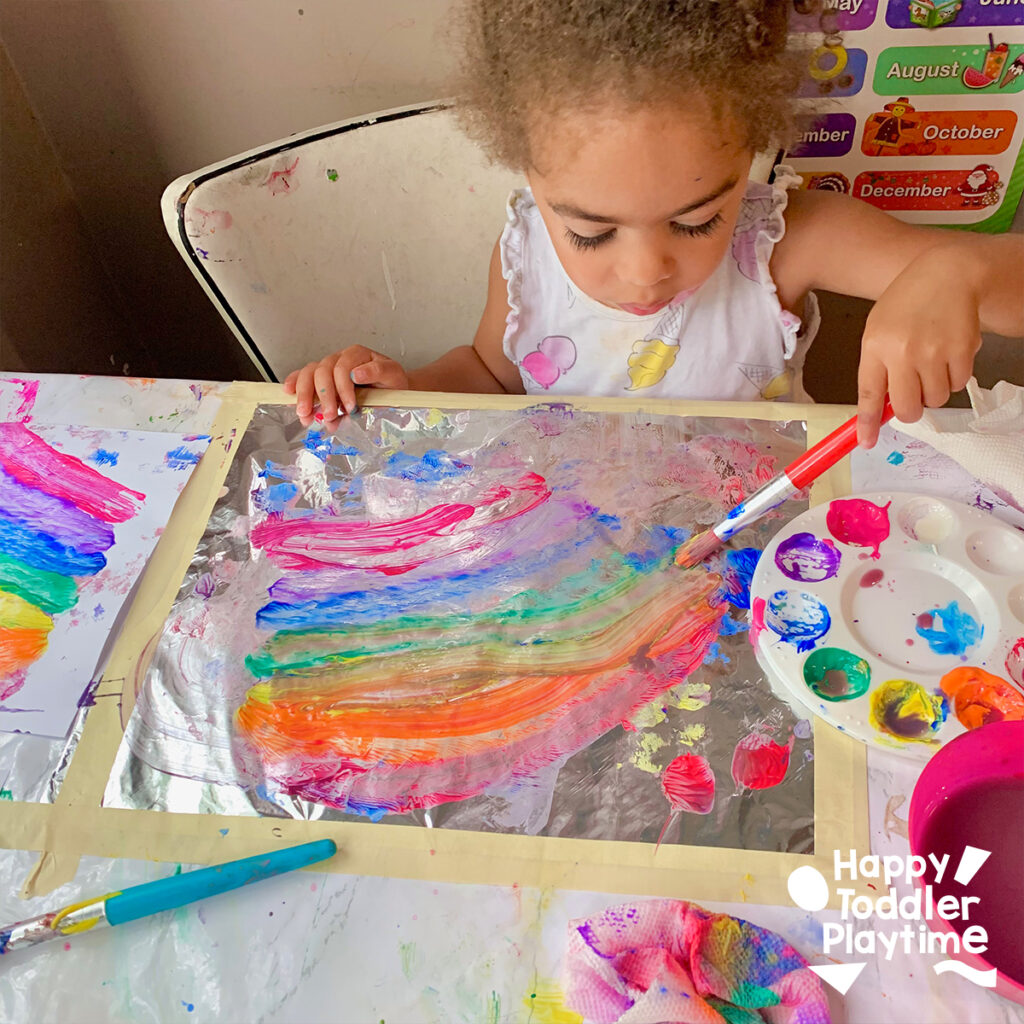
What You’ll Need:
- Aluminum foil
- Printer paper
- Non-toxic paint
- Paintbrushes or sponges
- Tape
Quick Setup:
- Tape aluminum foil to the table. Set out a few colors of non-toxic paint along with brushes or sponges.
- Invite your toddler to paint directly on the foil, experiencing the unique texture and reflective effects that the foil adds to their artwork.
- Once done, press a sheet of paper onto the foil to print the picture on paper.
14. Bunny Sticky Wall

Materials Needed:
- Contact paper
- Painters tape
- Black marker
- Cotton balls
Quick Setup:
- Start by drawing a simple outline of a bunny on the contact paper using the black marker. You can make it as big or as small as you like, depending on the space available.
- Next, affix the contact paper to a wall or any vertical surface with the sticky side facing out, securing it firmly with painters tape around the edges.
- Provide your toddler with a pile of cotton balls and encourage them to stick them along the bunny outline to fill it in.
15. Painting Ice Cubes

Materials Needed:
- Ice cube tray
- Water
- Food coloring or washable paint
- Popsicle sticks or small spoons (optional)
- Paper or a plastic tray
Quick Setup:
- Begin by filling a sensory bin with ice cubes.
- Grab your washable kids paint and brushes and invite your child to paint the ice.
16. Cotton Pad Painting


What You’ll Need:
- Cardboard
- Cotton pads
- Glue
- Eye droppers
- Food coloring
- Water
- Small bowls
- Markers
Quick Setup:
- Begin by gluing the cotton pads onto a piece of cardboard, creating a canvas of cotton pads.
- In separate small bowls, mix a few drops of food coloring with water to create different colors.
- Use markers to draw outlines or shapes on the cardboard around the cotton pads, if desired.
- Provide your child with eye droppers and the bowls of colored water.
- Encourage them to use the eye droppers to absorb the colored water and then drop it onto the cotton pads, watching how the colors spread and blend.
17. Make Your Own Nature Paint Brushes
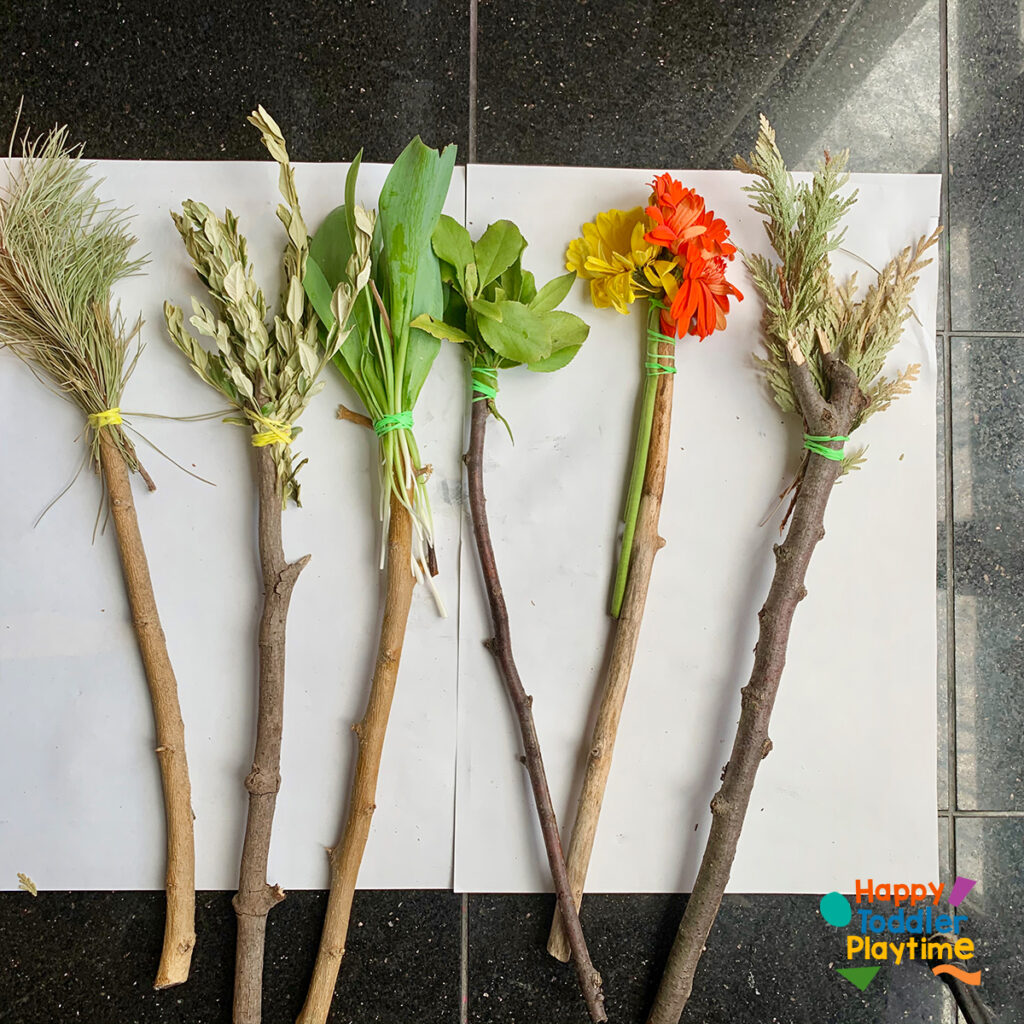
What You’ll Need:
- Sticks or small branches (for handles)
- Natural materials (leaves, grass, pine needles, flowers)
- Rubber bands or string
- Washable paint
- Paper or a large roll of butcher paper
Quick Setup:
- Go on a nature walk with your child to collect various natural materials like leaves, grass, pine needles, and flowers. Attach these materials to the ends of sticks or small branches using rubber bands or string, creating unique paintbrushes. Once the brushes are ready, set up a painting station with washable paint and paper. Encourage your child to dip their nature brushes into the paint and create artwork on the paper. This activity combines creativity with outdoor exploration and helps develop fine motor skills while fostering a connection with nature.
Exploration Toddler Activities
18. Ice Treasure Hunt

What You’ll Need:
- Small toys, beads, or waterproof trinkets
- Ice cube trays or small containers
- Water
- Food coloring (optional)
- Large container or sensory bin
- Tools for excavation (small hammers, salt, warm water in squeeze bottles)
Quick Setup:
- Begin by placing small toys, beads, or trinkets into ice cube trays or small containers. If you’d like, add a drop of food coloring to the water for a colorful effect.
- Fill the containers with water and freeze until solid, creating ice blocks with treasures embedded inside.
- Once frozen, pop the ice blocks out and place them into a large container or sensory bin. Use tools like small hammers, salt, or warm water in squeeze bottles to help melt the ice and excavate the treasures.
19. Pom Pom Water Transfer

What You’ll Need:
- Two containers (one filled with water, the other empty)
- Sponges or pom poms
- Towels for spill management (optional)
Quick Setup:
- Place one container filled with water and the empty container side by side.
- You might want to set this up in an area where minor spills are not a concern, or place towels underneath for easier cleanup. Provide your toddler with sponges or pom poms.
- Show them how to soak the sponge or pom poms in the water-filled container, then squeeze them over the empty container to transfer the water.
- Encourage them to continue this process until the water is moved from one container to the other.
20. Hand Sock Painting

What You’ll Need:
- Non-toxic washable paint
- Paper or a large roll of butcher paper
- Old socks
- A tray or shallow containers for the paint
- Tape (if using paper)
Quick Setup:
- Spread out the paper or butcher paper on the floor or a table, securing it with tape to keep it in place if necessary.
- Pour different colors of washable paint into the tray or shallow containers.
- Have your toddler put on an old sock over each hand.
- Encourage them to dip their sock-covered hand into the paint and then press or smear the paint onto the paper, creating various designs and patterns.
21. Easy Baking Soda and Vinegar Experiment
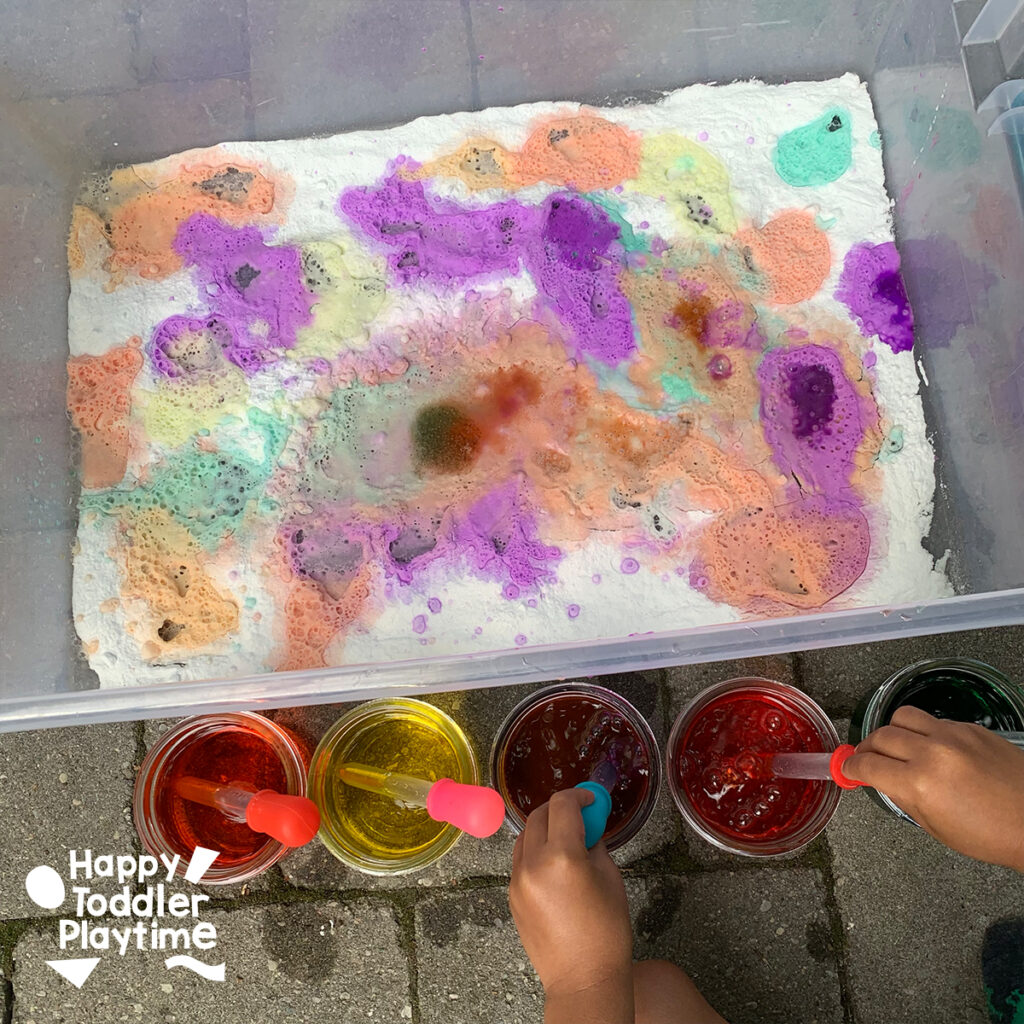
What You’ll Need:
- Tray or sensory bin
- Baking soda
- Vinegar
- Eye droppers
- Food coloring
Quick Setup:
- Begin by covering the bottom of your tray or sensory bin with a generous layer of baking soda.
- If you want to add an extra touch of the jungle, mix some green food coloring into the vinegar before the activity starts.
- Place various jungle animal figurines, rocks, sticks, and leaves on top of the baking soda to create a jungle scene.
- Fill several small containers with the colored vinegar and provide eye droppers for your toddler.
- Invite them to use the eye droppers to squirt vinegar onto the baking soda.
22. Frozen Pom Poms

Materials Needed:
- Colorful pom poms
- Water
- Small containers or ice cube trays
- Freezer
Quick Setup:
- Start by placing a few colorful pom poms into each compartment of an ice cube tray or small container.
- Fill each with water, ensuring the pom poms are submerged.
- Place the trays or containers in the freezer and let them freeze completely.
- Once frozen, remove the ice blocks from the trays and give them to your toddler to play with in a safe, supervised area, perhaps during bath time or on a water-resistant play mat.
- This activity is perfect for sensory exploration and can help teach concepts like cold, melting, and color mixing as the ice melts and the pom poms are freed.
23. Tubes & Rainbow Rice Sensory Bin


What You’ll Need:
- Sensory bin
- Rainbow colored rice
- Variety of cardboard tubes
- Tape
Quick Setup:
- Out of all the activities listed here this one has the longest set but my toddler played with it for days and days. It was totally worth the effort! Find the fill expanded instructions here.
24. Pom Pom Drop


What You’ll Need:
- Tubes (such as PVC pipes, cardboard tubes, or paper towel rolls)
- Tape (masking or painters)
- Pom poms in various sizes and colors
- Containers or buckets
Quick Setup:
- Start by securing the tubes vertically to a wall or chair using tape, arranging them so they create a series of chutes.
- Place containers or buckets at the bottom of each tube to catch the pom poms.
- Provide your child with a collection of colorful pom poms.
- Show them how to drop the pom poms into the tops of the tubes and watch as they tumble down into the containers.
25. Painting with Water

What You’ll Need:
- Construction paper (blue works best)
- Paintbrushes or cotton balls or sponges
- Bowl
- Water
Quick Setup:
- Lay out sheets of blue construction paper or a flatten or regular cardboard box to use as a canvas.
- Fill a bowl with water and provide your toddler with paintbrushes or cotton balls to use as painting tools.
- Show them how to dip their brush or cotton balls into the water and then “paint” on the paper or cardboard.
- The water will darken the paper where it’s applied, creating a “wet effect” that visually resembles actual paint.
- As the paper dries, the designs will fade, allowing for endless opportunities to create new artwork.
26. Paint the Toys

What You’ll Need:
- Washable paints
- Brushes or sponges
- Old or washable toys that can be painted
Quick Setup:
- Set up a painting station with washable paints and brushes or sponges.
- Select a variety of old toys that are safe to paint.
- Show your child how to paint the toys, encouraging them to experiment with different colors and techniques.
- Once they are done, hand them a sponge and bucket pilled with warms soapy water and invite them to wash off the paint!

Toddler Sensory Activities
27. Water and Pom Poms

Materials Needed:
- Water table or large shallow bin
- Water
- Pom poms (preferably large and colorful)
- Various scooping tools (such as cups, spoons, or small nets)
Quick Setup:
- Fill your water table or a large shallow bin with water. Add a generous amount of colorful pom poms to the water. These will float and provide a visually appealing element for toddlers to interact with.
- Provide your toddler with various scooping tools like cups, spoons, or small nets to enhance the play experience.
- Encourage your one-year old to scoop, catch, and play with the pom poms using the tools provided.
28. Taste-Safe Playdough Recipe

What You’ll Need:
- 1 cup flour
- 1/4 cup salt
- 1 tablespoon cream of tartar
- 1 tablespoon vegetable oil
- 1 cup water
- Food coloring (optional)
- Mixing bowl
- Saucepan
- Spoon
Quick Setup:
- In a mixing bowl, combine the flour, salt, and cream of tartar.
- Add the vegetable oil and water, and stir until the mixture is smooth.
- If you want to add color, mix in a few drops of food coloring.
- Transfer the mixture to a saucepan and cook over medium heat, stirring constantly. Continue stirring until the dough begins to form and pulls away from the sides of the pan.
- Remove the dough from the pan and let it cool slightly. Once it’s cool enough to handle, knead the dough until it’s smooth and pliable.
29. Taste-Safe Kinetic Sand
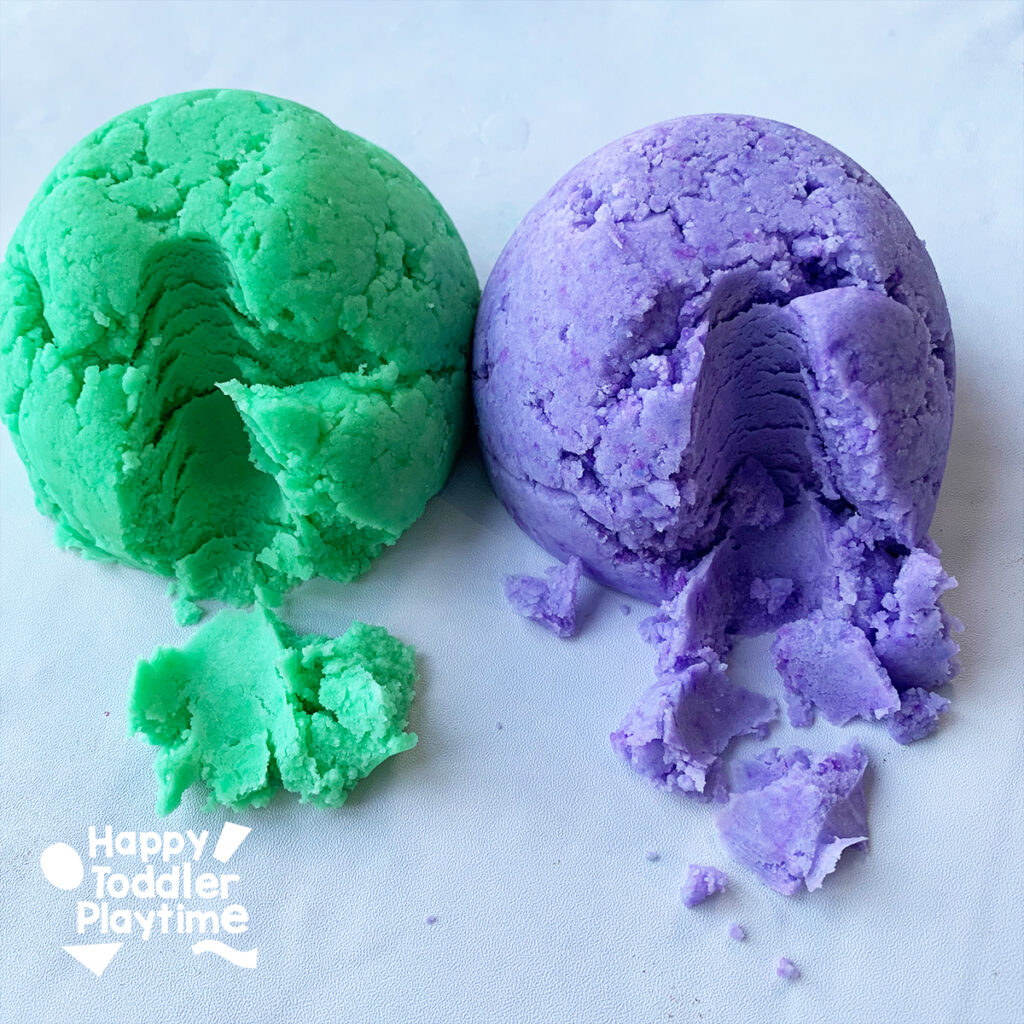
What You’ll Need:
- 1 cup of cornstarch
- 1/2 cup of vegetable oil (or coconut oil for a pleasant scent)
- 1/4 cup of sugar
- Food coloring (optional)
- Mixing bowl
- Spoon or whisk
Quick Setup:
- In a mixing bowl, combine the cornstarch and sugar.
- If you want to add color, mix a few drops of food coloring with the oil before combining it with the dry ingredients.
- Gradually add the vegetable oil to the cornstarch and sugar mixture, stirring continuously until the mixture reaches a sandy, moldable consistency. If the mixture feels too dry, add a bit more oil; if it’s too wet, add more cornstarch.
30. Bubble Foam Sensory Bin


- What You’ll Need:
- Large bin or container
- Dish soap
- Water
- Hand mixer or whisk
- Food coloring (optional)
- Toys or utensils for playing (optional)
Quick Setup:
- Start by filling your bin about a quarter full with water and add a generous squirt of dish soap. If you want to add a splash of color, mix in a few drops of food coloring.
- Use a hand mixer or whisk to whip the mixture until you get thick, fluffy foam.
- Once your bubble foam is ready, you can place a few waterproof toys or utensils in the bin for your child to explore with.
31. Playing with Colored Rice

What You’ll Need:
- Colored rice (various colors)
- A large sensory bin
- Colorful bowls
- Spoons and scoopers
- Optional: funnels, small containers, or other pouring tools
Quick Setup:
- To prepare the colored rice. Find the easy recipe here.
- Fill your sensory bin with the now vibrant colored rice.
- Place colorful bowls around the bin and provide spoons, scoopers, and if available, funnels and small containers.
32. Rainbow Pouring Station Sensory Bin

Rainbow Pouring Station Sensory Bin
What You’ll Need:
- Sensory bin or large container
- Water
- Food coloring (various colors)
- Clear plastic cups or containers
- Small pitchers, watering cans, or measuring cups
- Towels for spills (optional)
Quick Setup:
- Fill several clear plastic cups or containers with water and add a few drops of different food coloring to each one to create a variety of colored water.
- Arrange the colored water containers in the sensory bin.
- Provide your child with small pitchers, watering cans, or measuring cups. Encourage them to pour and mix the different colored waters, observing how the colors blend to create new shades.
- You might want to place towels around the sensory bin to manage any spills.
33. Green Pea Sensory Bag
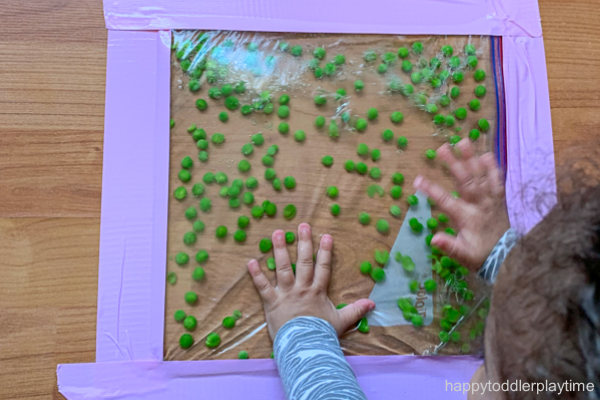
Materials Needed
- A bag of frozen green peas
- A sturdy, sealable plastic bag (like a Ziploc)
- Clear packing tape (optional, for extra security)
Quick Setup:
- Grab a bag of frozen green peas and pour them into a sturdy, sealable plastic bag, making sure to squeeze out all the air before sealing it tightly.
- For added security against any enthusiastic squishing, you might want to seal the edges with clear packing tape.
- This simple setup creates a cool, squishy sensory experience that’s perfect for little hands to explore. The peas move around under their fingers, providing tactile feedback and visual stimulation as they press and poke the bag.
Imaginative Play Toddler Activities
34. Twinkle Little Star Sticky Wall

Materials Needed:
- Black construction paper
- Painters tape
- Contact paper
- Plastic glow-in-the-dark stars
Quick Setup:
- Cover a wall section with black construction paper using painters tape to hold it in place.
- Overlay a sheet of contact paper with the sticky side out, and fix it over the black paper.
- Invite toddler to stick the glow-in-the-dark stars on the sticky surface for a sensory activity that lights up in the dark, aiding in visual and spatial development.
35. LEGO Car Wash

What You’ll Need:
- LEGO vehicles
- Water
- Mild soap
- Brushes or sponges,
- Shallow tray.
Quick Setup:
- Fill a shallow tray with soapy water, and place various LEGO vehicles into it.
- Give your child brushes or sponges to wash the vehicles.
- Help you toddler build a mini car wash building using the LEGO.
36. Rescue Missions
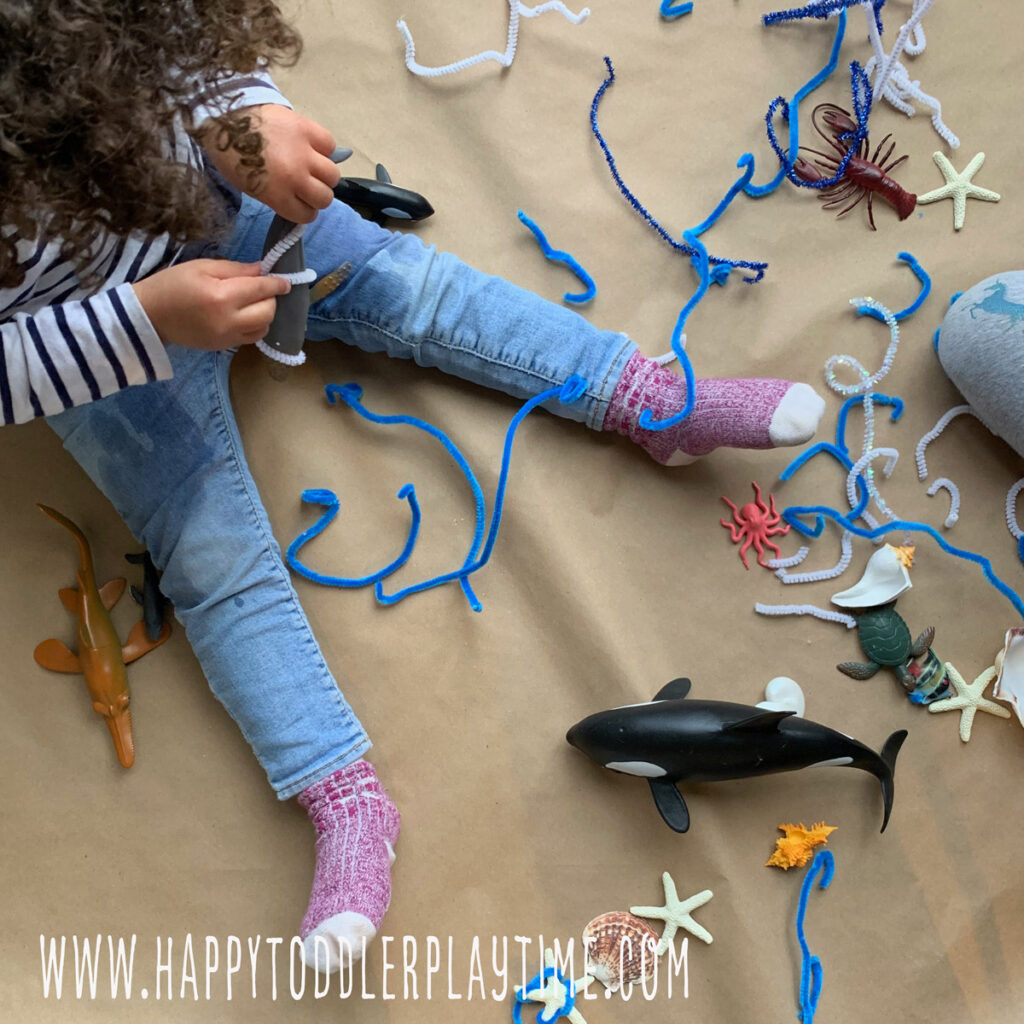
What You’ll Need:
- Pipe cleaners, rubber bands, string, or tape
- Small ocean animal toys, musical instruments, or plastic Easter eggs
- Bowls for sorting (optional)
Quick Setup:
- Place the small ocean animal toys, musical instruments, or plastic Easter eggs in the shallow bin or tray.
- Use the pipe cleaners, rubber bands, string, or tape to “trap” the items by wrapping or securing them around the toys.
- Invite your toddler to rescue the items by carefully untangling or removing the obstacles.
37. Feed the Caterpillars
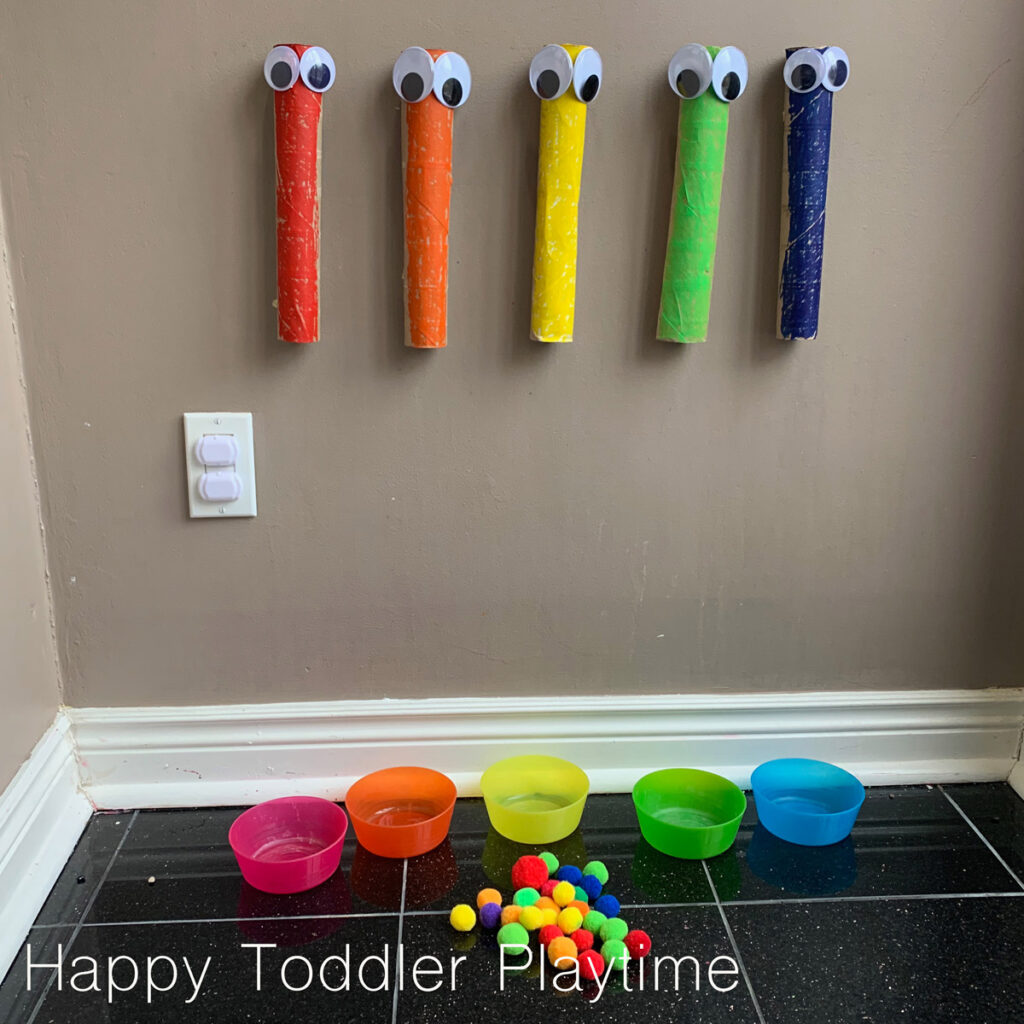
What You’ll Need:
- Cardboard tubes (from paper towel or toilet paper rolls)
- Paint sticks or markers
- Googly eyes
- Masking tape
- Pom poms in various colors
Quick Setup:
- Begin by coloring each cardboard tube a different color using paint sticks or markers. Once the tubes are dry, attach googly eyes to the top of each tube to create caterpillar faces.
- Use masking tape to securely attach the colored tubes vertically to a wall or flat surface, ensuring they are spaced apart enough for the pom poms to easily drop through.
- Provide your child with a variety of pom poms and encourage them to “feed the caterpillars” by dropping the pom poms into the matching colored tubes.
38. Ice Rubber Ducks
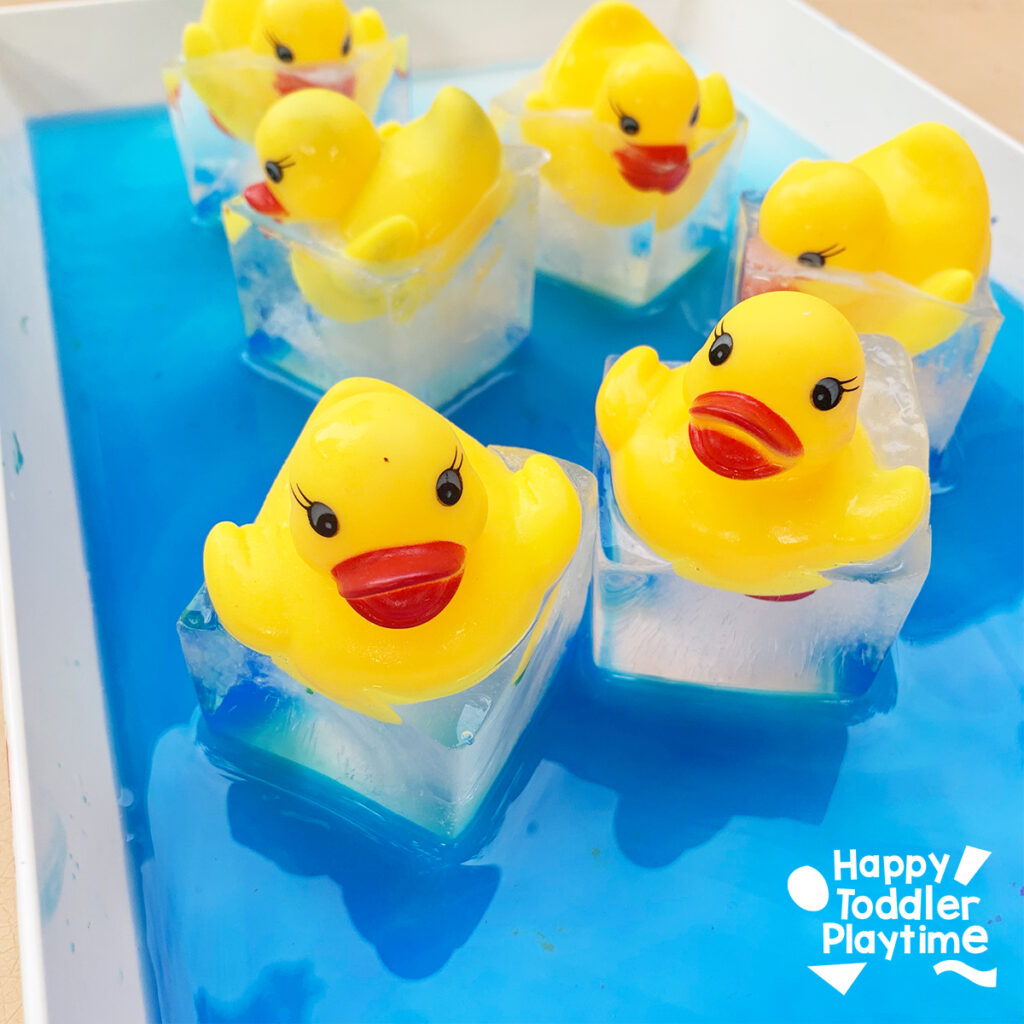
Materials Needed:
- Ice cube trays
- Rubber ducks
- Blue food coloring
- Tray or sensory bin
Quick Setup:
- Fill the trays with water, and place a rubber duck in each section.
- Freeze until solid.
- Once ready, place the ice blocks with ducks in a tray or sensory bin, add a drop of blue food coloring for your one year old to explore.
39. Spaghetti Drop
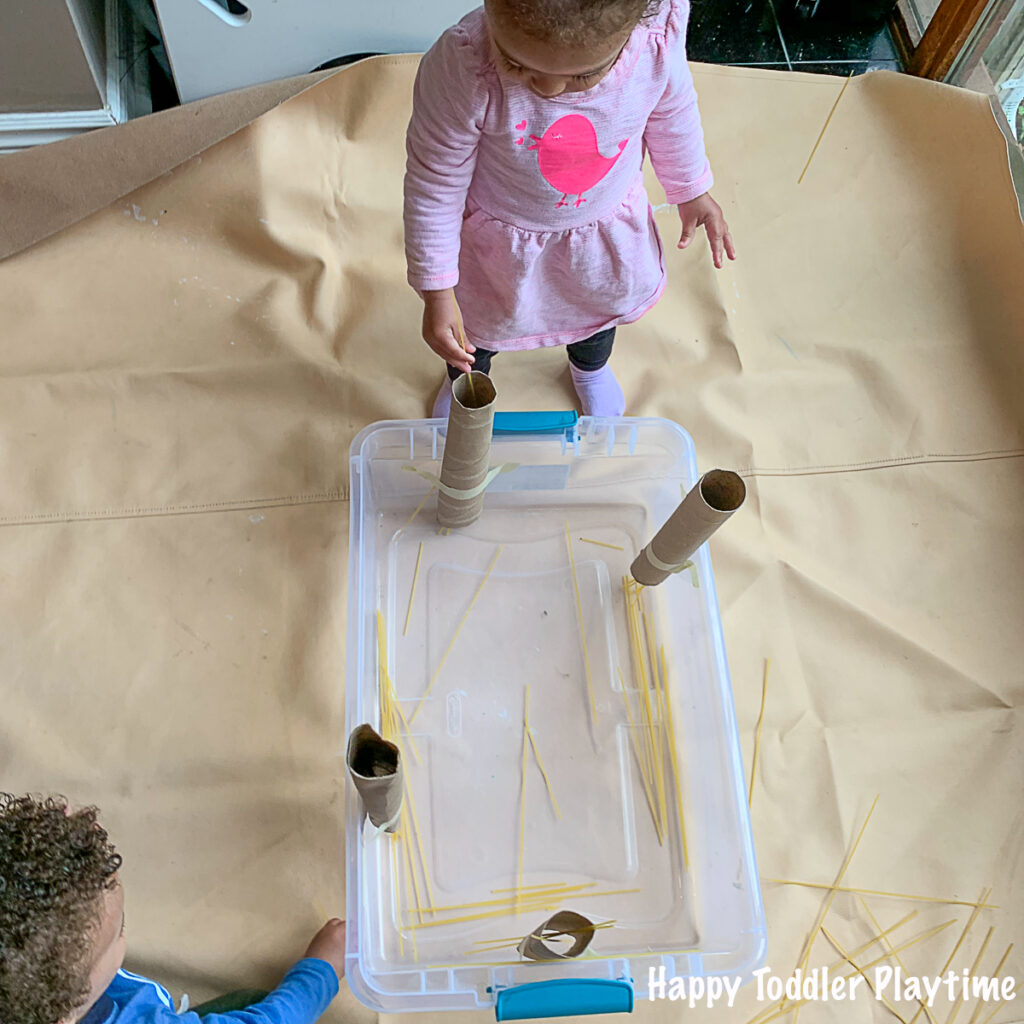
What You’ll Need:
- Dried spaghetti
- Cardboard tubes (from paper towel or toilet paper rolls)
- Tape (optional for securing tubes)
Quick Setup:
- Arrange the cardboard tubes vertically by standing them up on a table or taping them to a wall or edge of a table to keep them stable.
- Provide your toddler with dried spaghetti and encourage them to drop the spaghetti through the tops of the tubes.
Play2Learn Toddler & Preschool Programs for Curious Toddlers
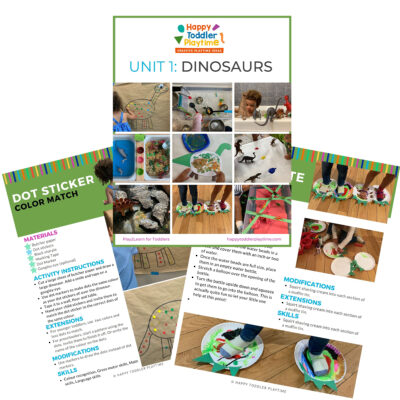
There is no limit to your toddler’s energy and curiosity. That energy and curiosity although a joy can be challenging at times. Their interest in just about everything around them is what makes them great learners. One and two year olds can soak up so much just from their senses!
But as a teacher or parent that thirst for learning can be exhausting. That is why I created this toddler and preschooler program. To help you get the most out of this time with your curious toddler without having to come up with creative ways to play and interact with them.
Play2Learn for Toddlers includes 20 Units for toddlers. Each 2-week toddler unit has 20 super easy to set up and engaging activities for toddlers 18 months to 3 years.
Play2Learn Preschool which includes 20 Units for preschoolers. Each 2-week preschoolers unit has 20 unique and easy to set up and engaging activities for preschoolers 3 years to 5 years. That’s over 800 learning activities for your toddler and preschooler at your fingertips! So many ideas you and your child will never be bored again!
These toddler and preschool lesson plans and activities will definitely keep you and your toddler and preschooler busy playing and learning!
Click here for more information: Play2Learn
Book: Exciting Sensory Bins for Curious Kids
Did you know I wrote a book of sensory bins? Click here for more information Exciting Sensory Bin for Curious Kids. Or grab your copy at Amazon.
Boring afternoons are made exciting with awesome animal-based bins, like Salty Shark Bay or Yarn Farm. Pretend play bins like Birthday Cake Sensory Play or Bubble Tea Party encourage creativity and imagination. And your kids will have so much fun they won’t even know they’re getting smarter with STEAM (science, technology, engineering, art and math) activities like Sink or Float Soup, Magnetic Letter Hunt or Ice Cream Scoop and Count.
Designed for toddlers 18 months and up.
Book: Super STEAM Activity Book for Kids
Learning all about science, technology, engineering, art, and math sets kids up for scholastic success―and it can be so much fun! Watch kids enjoy building STEAM skills as they color friendly fish, help water find its way to tree roots, solve math problems with mazes, and more.
Find out more and grab your copy here.
Designed for preschoolers 3 years old and up.
Book: Big Book of Riddles for Kids
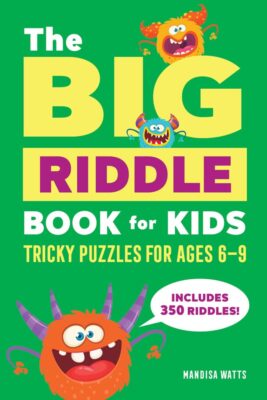
Riddle me this: What’s an exciting way to practice critical thinking while having a blast? The Big Riddle Book for Kids, of course! From hilarious puns to tough brain teasers, kids can build problem-solving skills with hundreds of riddles tha. t show them how to think outside the box.
- 350 riddles for kids—Have hours of fun with riddles, puns and jokes, and math and logic puzzles that’ll get their wheels turning!
- Level up their skills—Riddles get trickier as kids progress through the book, challenging them as they get better at solving puzzles!
- Double-check their work—Kids can check their answers in the back of the book with a handy answer key.
Help children expand their minds while having fun with this puzzle book for kids!
Designed for kids ages 6 years old and up.
TV Show: Curious Crafting
I’m so excited to share my crafting TV show Curious Crafting which launched in July 2022 on TVOkids and TVOkids YouTube! Season 2 aired in August 2023! My show was also nominated in 2023 for Best Live Action Preschool Series by the Youth Media Alliance Awards of Excellence.
Curious Crafting Season 1 is also now airing in Australia on ABC! Watch it here!
Set in the ultimate crafting space, Curious Crafting is a short form pre-school age series about the joy of making crafts. I lead a rotating cast of adorable little preschoolers (including my own) making magic out of common household objects.
In each episode we transform recycled items into magical crafts like a milk carton school bus, paper bag puppet or cotton pad turtle. The crafters learn and laugh their way through each activity while demonstrating what their young imaginations can create.
Curious Crafting shares the adventure and joy of making art with takeaway lessons for creating crafts at home.
This show designed for toddlers and preschoolers 2.5 years old and up.