
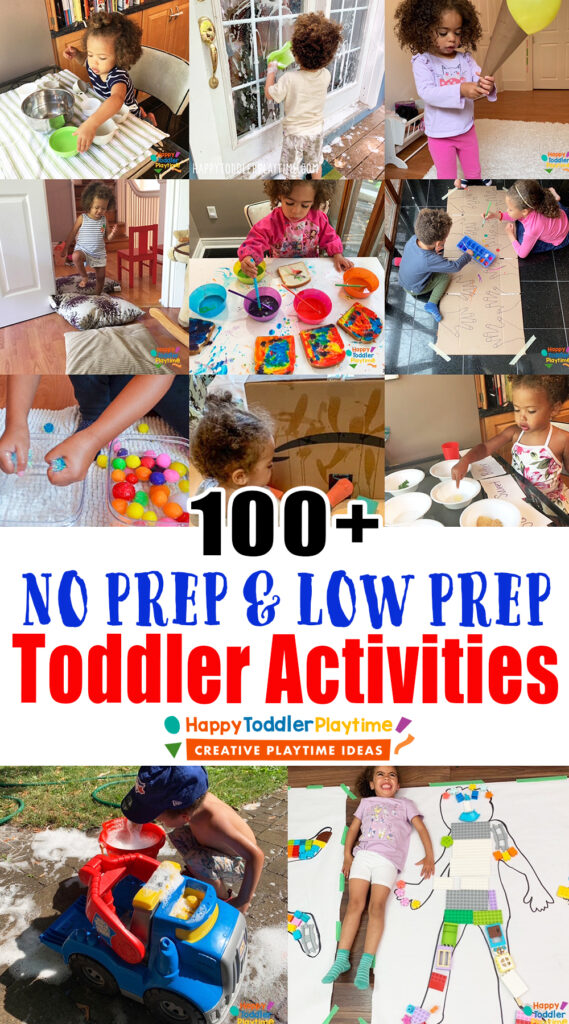
Are you looking for fast and easy activities to keep your 2 year old or 3 year old busy? Are you also looking for activities that don’t require a lot of prep or any prep at all? And are you also looking activities that are easy to clean up, engaging, education and fun?
If you answered yes to all or any of these questions then you are indeed in the right place!
Here is our ultimate list of the best super easy no or low-prep activities you can do at home with your 2 and 3 year old toddler or preschooler.
- Skills 2-3 Year Olds are Learning
- Supplies Needed For Activities
- Activities for 2 and 3 Year Olds
- 1. Pillow Road
- 2. Snack Names
- 3. Sock Puzzles
- 4. Mess Free Rock Painting
- 5. Snack Math
- 6. Free the Animals
- 7. Dinosaur Bath
- 8. Painting Bread
- 9. Ice Sensory Bin
- 10. Snowman Towers
- 11. Paint with Kitchen Tools
- 12. Car Bowling
- 13. Alphabet Match
- 14. Tea Bag Water Play
- 15. Pom Pom Number Sweep
- 16. MegaBlok Names
- 17. Foil Puzzle Presents
- 18. Build a Book Rainbow
- 19. Sponge Letter Match
- 20. Salad Spinner Toddler Activities
- 21. Spaghetti Drop
- 22. Cloud Dough Kitchen
- 23. Nature Puzzle
- 24. Rain Painting with Water
- 25. Colour Mixing Tea Party
- 26. Cardboard Box Wash & Paint
- 27. Stone Washing
- 28. Wine Cork Push
- 29. Paint Animals
- 30. Pom Pom Water Transfer
- 31. Cutlery Sorting
- 32. Dinner Plate Counting
- 33. Backyard Toy Painting
- 34. Bubble Foam Sensory Bin
- 35. Window Washing
- 36. Pom Poms Sorting
- 37. Snack Necklaces
- 38. Elastic Bands over Paper Towel
- 39. Ivory Soap Experiment
- 40. Turtle Boxes
- 41. Elastic Bands Around Feet
- 42. Bug Whisk Rescue
- 43. Dinosaur Bones Sticky Wall
- 44. Laundry Basket Dump Truck
- 45. Balloon Bug Tennis
- 46. Body Trace
- 47. Finish the Animals
- 48. Step Stool Jumping
- 49. DIY Cardboard Puzzles
- 50. Fizzy Ice
- 51. Stick Ladder
- 52. Book Drop
- 53. Pom Pom Water
- 54. Magna-Tile Colour Sorting Boxes
- 55. Fly Swatter Bubbles
- 56. Clouds in the Sky Picture: Cotton Ball Gluing
- 57. Water Pouring Station
- 58. Ice Cream Cone Balloon Toss
- 59. Taste Test
- 60. Pull the Pipe Cleaners
- 61. Spice Container Measuring
- 62. Pillow Walk
- 63. Giant Nail Salon
- 64. Wash the Toys
- 65. Oat Sensory Bin
- 66. Draw A Farm
- 67. Pom Pom Drop
- 68. Prepared Playdough Kits
- 69. Tube Pattern Matching
- 70. Painting with Water and Chalk
- 71. Salad Spinner Art
- 72. Pasta Threading
- 73. Car Wash Sensory Bin
- 74. Oobleck
- 75. Popsicle Bath
- 76. Clothespin Pattern Match
- 77. Fizzy Experiment
- 78. Toilet Paper Rolling
- 79. Feed the Baby Sensory Bin
- 80. Fill the Letters
- 81. Cotton Ball Names
- 82. Alphabet Sensory Bag
- 83. Watercolors and Rocks
- 84. Rainbow Milk Experiment
- 85. Nature Cutting Bin
- 86. Painting Ice Cubes
- 87. Color Sorting Box
- 88. Salt Dough Dinosaur Fossils
- 89. Foil Painting
- 90. Fingerprint Patterns
- 91. Magnetic Treasure Hunt
- 92. Tubes & Rainbow Rice Sensory Bin
- 93. Cereal Box Magnetic Tile Puzzles
- 94. Button Counting
- 95. Bathtub Paint
- 96. Fridge Shape Match
- 97. Shapes Parking Lot
- 98. Make Silly Putty
- 99. Shape Match Sensory Bin
- 100. Sticky Tape Shapes Activity
- 101. Homemade Playdough
- Play2Learn Toddler & Preschool Programs for Curious Toddlers
- Book: Exciting Sensory Bins for Curious Kids
- Book: Super STEAM Activity Book for Kids
- Book: Big Book of Riddles for Kids
Skills 2-3 Year Olds are Learning
Two and three-year-olds are at a crucial stage of development, and they tend to make significant progress across many areas. Here are five key skills that are usually developing during this period:
- Motor Skills:
- Fine Motor Skills: At this age, children start to develop better control over hand and finger movements, allowing them to perform tasks like turning pages in a book, using simple tools like crayons, stacking blocks, and beginning to use utensils more effectively.
- Gross Motor Skills: Two and three-year-olds improve their ability to run, jump, throw, and kick. They also become more adept at climbing and balancing, which helps them navigate their environment more confidently.
- Language and Communication Skills:
Children rapidly expand their vocabulary, often reaching up to several hundred words by the end of their second and third year. They begin to string words together into simple sentences, ask questions, and are better able to express their needs and desires through both verbal and non-verbal communication.
- Cognitive Skills:
Two-year-olds start to engage in more complex play, including pretend play, which helps develop their imagination and cognitive abilities. They also show rapid development in problem-solving skills, understanding cause and effect, and can follow simple instructions.
- Social and Emotional Development:
This is a critical period for emotional regulation and social skills. Two-year-olds begin to exhibit greater independence, start to play alongside other children (parallel play), and show a wider range of emotions. They may start to test boundaries, which is a normal part of learning about their environment and social norms.
- Sensory and Perceptual Development:
At this age, children become more aware of their surroundings and are keen to explore them. They develop deeper levels of concentration and are keen observers. Their ability to differentiate between sounds, sights, textures, and other sensory information sees marked improvement, aiding in their overall cognitive development and interaction with the world.
Overall, each of these developmental areas is important as they build on each other to support a child’s holistic growth. Activities that promote these skills are invaluable in fostering a well-rounded development for two-year-olds.
Supplies Needed For Activities
Most of the supplies for these activities are items that you already have in your home and basic craft supplies like paint, paint brushes construction paper and scissors. The one thing you may not have is Pom Poms
. You can get yours here.
For a quick guide to activity supplies check out my Amazon shop.
For more help on how to start to do activities with your kids check out this post for things to buy and save for kids activities.
Activities for 2 and 3 Year Olds
Are you ready for the best list of activities?
Please note: that for most activities, additional details can be found by clicking on the title.
Enjoy and Happy playing!
1. Pillow Road

What You’ll Need:
- Several pillows
- Toy cars or trucks
How to Set Up:
- Lay Out Pillows: Arrange the pillows on the floor to form a road.
- Press Pillows: Gently flatten the pillows to make a smooth path.
- Add Cars: Place toy cars at the start of the road.
- Play: Let your toddler push the cars along the road and rearrange the pillows to change the route.
2. Snack Names

What You’ll Need:
- Variety of snacks (small pieces like cereal, fruits, or crackers)
- Paper
- Marker
How to Set Up:
- Prepare the Paper: Write your toddler’s name on the paper, making large, clear letters. Draw a circle below each letter.
- Add Snacks: Show your toddler how to place one snack in each circle below the letters.
- Letter Identification: As your toddler places each snack, encourage them to say the letter and its sound.
- Eat and Repeat: As they eat each snack, repeat the letter and its sound. This reinforces learning through a fun and tasty activity.
3. Sock Puzzles
What You’ll Need:
- A large sock
- Wooden puzzle pieces from a simple puzzle
How to Set Up:
- Prepare the Sock: Place all the wooden puzzle pieces inside the large sock.
- Find and Match: Have your child reach into the sock without looking to find a piece. They should feel the piece and try to guess which part of the puzzle it might be.
- Assemble the Puzzle: Once they pull out a piece, they can try to place it in the correct spot on the puzzle board. This activity is great for sensory development and fine motor skills.
4. Mess Free Rock Painting
What You’ll Need:
- Rocks
- Paint
- A clear plastic bag or sealable sandwich bag
How to Set Up:
- Place Rocks in Bag: Put rocks inside the plastic bag.
- Add Paint: Squirt different colors of paint into the bag.
- Seal and Paint: Seal the bag and let your toddler move the paint around by pressing on the outside, painting the rocks without a mess.
5. Snack Math

What You’ll Need:
- Paper
- Marker
- Snacks (small, countable items like cereal or fruit pieces)
How to Set Up:
- Add Numbers: Write numbers 1 to 5 and beside them draw the corresponding number of circles or squares large enough to fit a snack.
- Count and Place: Invite your toddler to place the correct number of snacks in each marked space.
- Discuss: As they place each snack, talk about the numbers and help them count aloud.
6. Free the Animals

What You’ll Need:
- Toy animals
- Small ziplock bags
How to Set Up:
- Bag the Animals: Place each toy animal into its own ziplock bag and seal it.
- Rescue Mission: Give the bags to your toddler and encourage them to open the bags and “free” the animals.
- Enhance Play: Once all animals are freed, they can play with them, creating various rescue or adventure scenarios.
7. Dinosaur Bath

What You’ll Need:
- Dinosaur toys
- A bathtub or large container with water
How to Set Up:
- Fill the Tub: Fill the bathtub or container with water.
- Add Dinosaurs: Place the dinosaur toys in the water.
- Play Time: Let your toddler enjoy giving the dinosaurs a bath, using cups or sponges to wash them.
8. Painting Bread
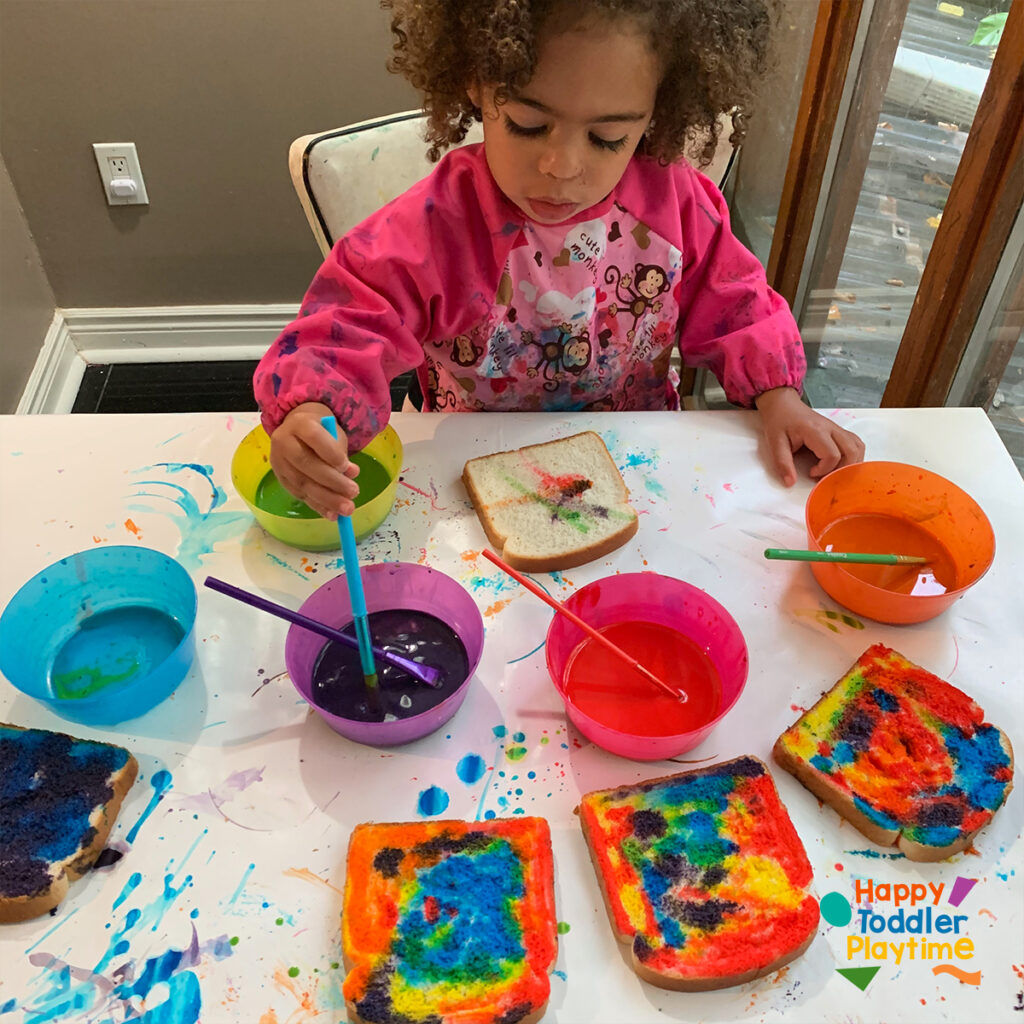
What You’ll Need:
- White bread slices
- Food coloring
- Milk
- Small bowls
- Clean paintbrushes
How to Set Up:
- Make Edible Paint: Mix a few drops of food coloring into small amounts of milk in different bowls to create various colors.
- Prepare the Bread: Lay out slices of white bread on a clean surface.
- Paint: Give your toddler a paintbrush, and let them paint designs on the bread using the edible paint.
- Toast and Enjoy: After painting, toast the bread lightly (optional) and enjoy eating their colorful creations.
9. Ice Sensory Bin

What You’ll Need:
- A large container
- Ice cubes or frozen toy-filled ice blocks
How to Set Up:
- Fill the Bin: Freeze water in an ice cube tray or freeze toys over top an ice cube tray filled with water. Freeze over night.
- Add Tools: Place ice cubes or ice blocks in the container. Include spoons or scoops for exploration.
- Play Time: Let your toddler explore the ice as it melts, discovering toys or experimenting with the cold texture.
10. Snowman Towers

What You’ll Need:
- Paper towel rolls
- Decorative items like buttons, fabric scraps, markers
How to Set Up:
- Prepare Rolls: Collect several paper towel rolls.
- Decorate: Let your toddler decorate the rolls with markers, buttons, and fabric to make them look like snowmen.
- Stack and Play: Build towers by stacking the decorated rolls.
11. Paint with Kitchen Tools

What You’ll Need:
- Kitchen tools (potato masher, fork, etc.)
- Paint
- Paper
How to Set Up:
- Setup Paint Station: Pour paint into shallow containers.
- Choose Tools: Select a few kitchen tools to use as brushes.
- Create Art: Dip the tools in paint and press or roll them on paper to make interesting patterns.
12. Car Bowling
What You’ll Need:
- Toy car
- Toilet paper rolls or makeshift bowling pins
How to Set Up:
- Set Up Pins: Line up the rolls or pins.
- Bowl with Car: Use the toy car to knock them down, setting them up again for repeated play.
13. Alphabet Match

What You’ll Need:
- Alphabet fridge magnets
- Metal surface or fridge
- Construction paper
- Marker
- Tape
How to Set Up:
- Write letters on construction paper that correspond to the fridge magnets. Tape the construction paper on the fridge.
- Display Letters: Spread alphabet magnets on the floor or attach them low on the fridge.
- Match: Challenge your child to match letters.
14. Tea Bag Water Play

What You’ll Need:
- Herbal tea bags
- Large bowl or container of water
- Cup, spoons
- Scissors (optional)
How to Set Up:
- Place tea bags, scissors, cups and spoons into a sensory bin. Fill a few container with water.
- Let your toddler dip and swirl the tea bags, observing color changes.
15. Pom Pom Number Sweep

What You’ll Need:
- Pom poms
- Tape
- Number flashcards or puzzle pieces or tape
- Broom or brush
How to Set Up:
- Number Lanes: Tape sections on the floor and label them with numbers or place the number flashcards or puzzle pieces down.
- Scatter Pom Poms: Spread pom poms around.
- Sweep into Sections: Have your toddler sweep pom poms into the numbered sections.
16. MegaBlok Names

What You’ll Need:
- Mega Bloks
- Marker
- Butcher paper
How to Set Up:
- Write on Blocks: Write letters of your child’s name on a large sheet of butcher paper.
- Build & Learn: Let them trace and build and arrange the blocks on their name.
17. Foil Puzzle Presents

What You’ll Need:
- Puzzle pieces and board
- Aluminum foil
How to Set Up:
- Wrap Pieces: Wrap each puzzle piece in foil.
- Solve the Puzzle: Have your toddler unwrap and solve the puzzle, enjoying the surprise element of unwrapping each piece.
18. Build a Book Rainbow

What You’ll Need:
- A collection of colorful children’s books
How to Set Up:
- Sort by Color: Arrange books in a spectrum to form a rainbow.
- Read and Discover: Choose books to read from the rainbow, revisiting favorites and uncovering forgotten ones.
19. Sponge Letter Match

What You’ll Need:
- Sponges
- Marker
- Foam Letters
- Sensory Bin or bathtub
- Water
How to Set Up:
- Prepare Letters: Use the sharpie to write letters on the sponges to correspond with your foam letter.
- Match with Sponges: Place letters into a sensory bin with water. Invite them to match the letters with the correct sponge. They can then wash the letters with corresponding sponge.
20. Salad Spinner Toddler Activities

What You’ll Need:
- Salad spinner
- Various small items (like pom poms, paper pieces)
How to Set Up:
- Insert Items: Place different items in the salad spinner.
- Spin and Observe: Let your toddler spin and watch as items swirl around, exploring centrifugal force and motion.
21. Spaghetti Drop

What You’ll Need:
- Dried spaghetti
- Cardboard tubes
- Tape
- Sensory Bin (optional)
How to Set Up:
- Set Up Tubes: Stand the tubes vertically along a wall or sensory bin.
- Drop Spaghetti: Let toddlers drop spaghetti strands through the tubes, exploring gravity and coordination.
22. Cloud Dough Kitchen

What You’ll Need:
- Flour
- Oil (baby oil or vegetable oil)
How to Set Up:
- Make Cloud Dough: Mix 8 parts flour to 1 part oil to create moldable cloud dough.
- Play Cooking: Provide kitchen utensils for pretend play with the dough.
23. Nature Puzzle

What You’ll Need:
- Various natural items (leaves, twigs, stones)
- Cardboard
- Marker
How to Set Up:
- Create Puzzle Base: Arrange natural items on a piece of cardboard and trace their outlines using a marker.
- Match and Fit: Remove the items and have your toddler match and fit them back into the traced outlines.
24. Rain Painting with Water

What You’ll Need:
- Construction paper
- Permanent marker
- Water
- Paint brush
How to Set Up:
- Prepare Paper: Tape sheets of construction paper on the wall. Use a permanent maker to draw a picture to color on the paper.
- Hand your child a paint brush and fill a cup with water and inviter them to color in the picture with water.
25. Colour Mixing Tea Party

What You’ll Need:
- Water
- Food coloring
- Transparent cups or teapots
How to Set Up:
- Prepare Colored Water: Fill cups with water mixed with different food colors.
- Mix and Match: Invite toddlers to pour and mix colors to discover new ones.
26. Cardboard Box Wash & Paint

What You’ll Need:
- Large cardboard box
- Water
- Brushes or sponges
How to Set Up:
- Prepare Box: Place the box in an area that can get messy.
- Paint and Wash: Let toddlers paint the box with the water, exploring textures and effects of water on the cardboard box.
27. Stone Washing

What You’ll Need:
- Smooth stones
- Shaving cream
- Water
- A large container or bin
- Small brushes or old toothbrushes
How to Set Up:
- Prepare the Bin: Fill a large container with a small amount of water and place smooth stones inside it.
- Add Shaving Cream: Squirt a little shaving cream on the stones.
- Wash the Stones: Give your toddler brushes to scrub and wash the shaving cream off the stones. This activity is surprisingly clean, as the shaving cream and water mix to form an easy-to-clean foam.
28. Wine Cork Push

What You’ll Need:
- Wine corks
- A cardboard box or a yogurt tub
- Hammer or another tool to make holes (if needed)
How to Set Up:
- Prepare the Board: If using a cardboard box, punch holes just big enough for the corks to fit snugly. If using a yogurt tub, you might need to use a tool to carve the holes.
- Push the Corks: Show your preschooler how to push the corks through the hole. This activity helps develop fine motor skills and hand-eye coordination.
29. Paint Animals
What You’ll Need:
- Animal figurines
- Non-toxic paint
- Paintbrushes
- Paper or a plastic sheet to protect the work surface
How to Set Up:
- Set Up Painting Area: Lay out paper or a plastic sheet to keep the area clean.
- Prepare Paints: Set out small containers of paint and brushes.
- Paint the Animals: Let your 2 or 3 year old paint the animal figurines. This activity encourages creativity and sensory exploration as children feel the textures and work with different colors.
30. Pom Pom Water Transfer
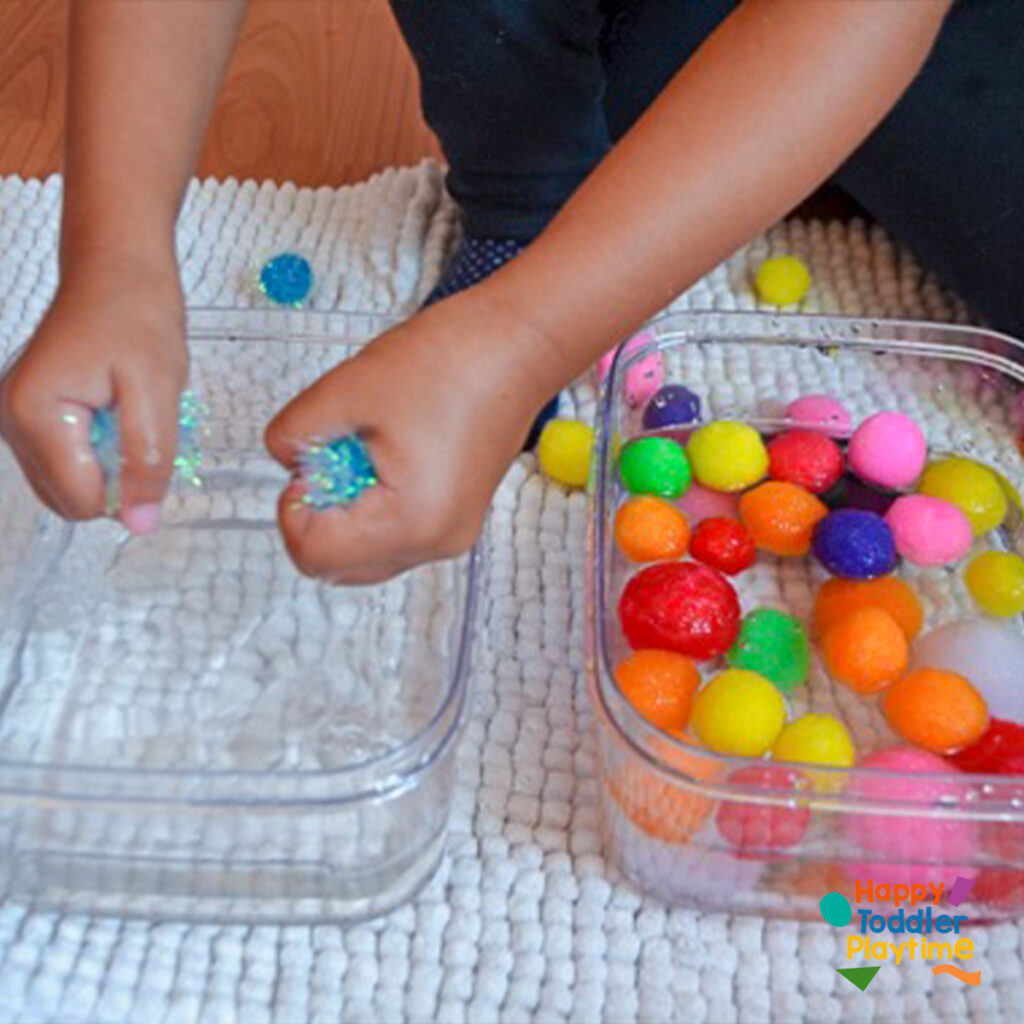
What You’ll Need:
- Pom poms or sponges
- Two containers
- Water
How to Set Up:
- Fill One Container: Place water in one container.
- Transfer with Pom Poms: Use pom poms or sponges to soak up and transfer water from one container to another, developing fine motor skills and understanding of absorption.
31. Cutlery Sorting

What You’ll Need:
- Various pieces of plastic cutlery
- Plastic plates
How to Set Up:
- Arrange Containers: Set up several plates on a table.
- Sort Cutlery: Have your toddler sort the cutlery by type (forks, spoons, knives) onto the plates.
32. Dinner Plate Counting

What You’ll Need:
- Paper plates
- Toy food
How to Set Up:
- Set Plates: Place several plates on a table and use a marker to write a number 1-5 on each plate. Place all the toy food in a container nearby.
- Counting Game: Invite child to counting and place a specific number of food items on each plate.
33. Backyard Toy Painting

What You’ll Need:
- Washable paint
- Paintbrushes
- Toys suitable for outdoor painting
How to Set Up:
- Prepare Paint Station: Set up a paint station outside with various colors of washable paint.
- Paint Toys: Let your toddler paint the outdoor plastic toys toys, exploring creativity and color mixing.
- Once they are done painting, use soap, sponge and water ad invite them to wash it off before it dries.
34. Bubble Foam Sensory Bin

What You’ll Need:
- A large plastic bin
- Water
- Dish soap
- Hand mixer or whisk
- Food coloring (optional)
- Cups and spoons for playing
How to Set Up:
- Create Bubble Foam: In the bin, mix water and a generous amount of dish soap. Use a hand mixer or whisk to whip the mixture until you get thick, fluffy foam. If desired, add a few drops of food coloring to make colored foam.
- Add Tools for Play: Provide cups, spoons, or other utensils for your toddler to scoop and play with the foam.
- Play Area: Set up the bin either outdoors or in an easily cleanable area, as this can get messy.
35. Window Washing

What You’ll Need:
- Sponges
- Water with mild soap
- Sensory bin or bowl
How to Set Up:
- Prepare Solution: Mix water and a bit of soap in a bin or bowl.
- Wash Windows: Give your toddler a sponge to wash an outdoor windows.
36. Pom Poms Sorting

What You’ll Need:
- Pom poms
- Mega Bloks
- Tongs
How to Set Up:
- Prepare Mega Bloks: Turn Mega Bloks upside down.
- Sorting Game: Use tongs to sort pom poms by color into the Mega Bloks.
37. Snack Necklaces

What You’ll Need:
- String
- Embroidery needle
- Snacks (e.g., cereal with holes, soft fruits)
How to Set Up:
- Thread Needle: Thread a string through an embroidery needle.
- Create Necklace: Have your toddler thread snacks onto the string, making a snack necklace.
38. Elastic Bands over Paper Towel

What You’ll Need:
- Elastic bands
- Paper towel roll
How to Set Up:
- Elastic Band Challenge: Invite your toddler to see how many elastic bands they can wrap around a paper towel roll.
39. Ivory Soap Experiment

What You’ll Need:
- Ivory soap
- Microwaveable plate
- Microwave
How to Set Up:
- Prepare Soap: Unwrap a bar of Ivory soap and place it on a microwaveable plate.
- Microwave: Heat the soap in the microwave for about 1 to 2 minutes and watch it expand.
40. Turtle Boxes

What You’ll Need:
- Cardboard box
- Markers
How to Set Up:
- Prepare Turtle Shell: Place a cardboard box on your toddler’s back to pretend it’s a turtle shell.
- Decorate: Let your toddler decorate the “shell” with markers, enhancing creative play.
41. Elastic Bands Around Feet
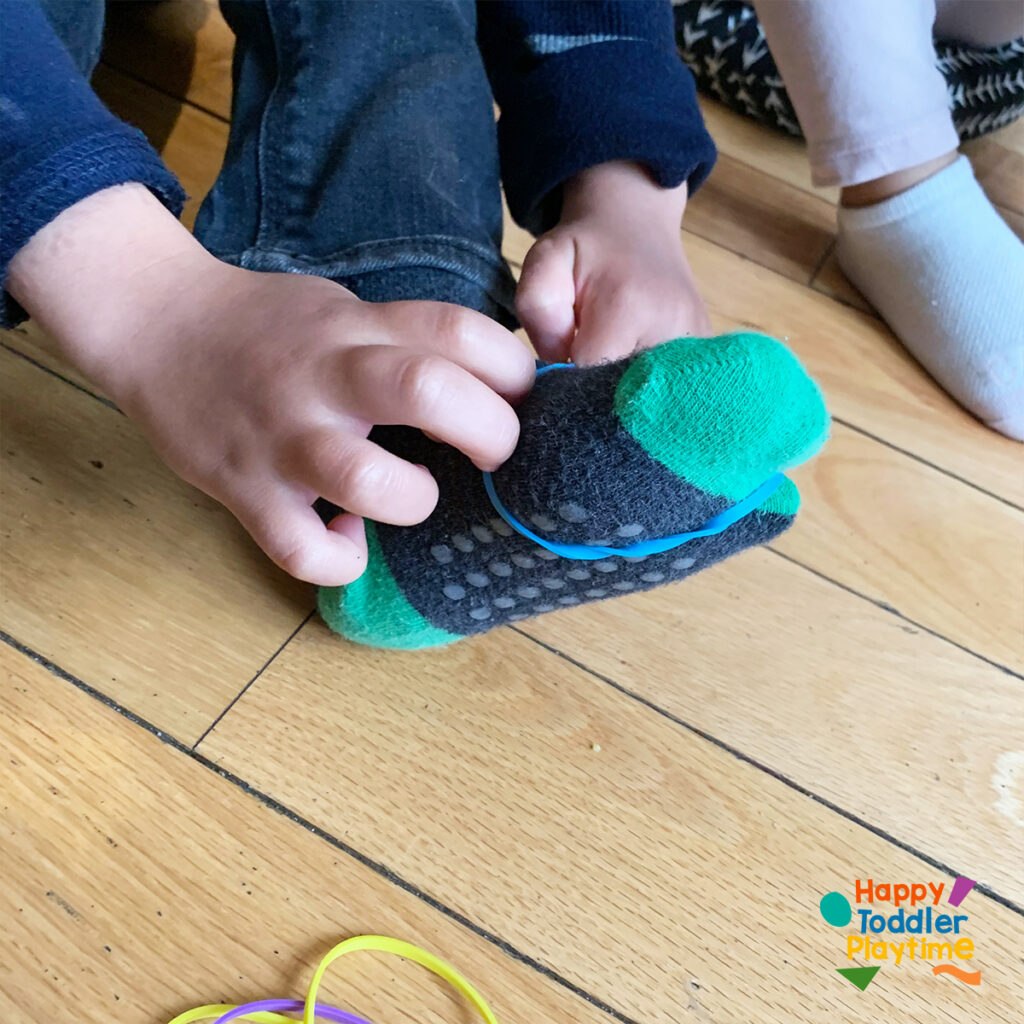
What You’ll Need:
- Elastic bands or scrunchies
How to Set Up:
- Choose Bands: Select a few soft elastic bands or scrunchies. Ensure they are gentle and not too tight.
- Demonstrate: Show your toddler how to stretch the bands and place them over their feet.
- Encourage Participation: Encourage your toddler to try it themselves, which helps develop their fine motor skills and dexterity.
- Discuss Similarities: Explain how this activity is similar to putting on socks to help them understand the practical application of what they’re learning.
- Supervise: Keep a close eye on your toddler while they play with the bands to ensure safety, and remove the bands immediately after the activity is over to prevent any circulation issues.
42. Bug Whisk Rescue

What You’ll Need:
- A whisk
- Small toys (e.g., bugs, LEGO, pom poms, socks, cotton balls)
How to Set Up:
- Place Toys in Whisk: Insert the small toys into the whisk’s wires.
- Rescue Time: Encourage your toddler to pull the toys out, stimulating fine motor skills and problem-solving.
43. Dinosaur Bones Sticky Wall

What You’ll Need:
- Contact paper
- Black construction paper
- Scissors
- Tape (painter’s tape or masking tape)
- Q-tips
How to Set Up:
- Cut Dinosaur Shapes: Use scissors to cut out dinosaur shapes from black construction paper.
- Prepare Sticky Wall: Unroll a section of contact paper, with the sticky side facing out, and use tape to secure it to a wall or vertical surface.
- Create Bones: Break Q-tips into smaller pieces to resemble dinosaur bones.
- Attach Dinosaur Shapes: Stick the dinosaur shapes onto the contact paper.
- Add Bones: Invite your toddler to use the Q-tip pieces to create skeletal structures on the dinosaur shapes, sticking them directly to the sticky contact paper. This activity encourages creativity and fine motor skills.
44. Laundry Basket Dump Truck

What You’ll Need:
- A laundry basket
- Heavy items (e.g., bags of flour, bottles of vinegar or oil)
How to Set Up:
- Load the Basket: Place heavy items in the laundry basket.
- Push and Pull: Challenge your toddler to move the basket around, mimicking a dump truck.
45. Balloon Bug Tennis

What You’ll Need:
- A balloon
- A cardboard tube, paper plate and tape
How to Set Up:
- Make a Racket: Use the tube and plate as a racket.
- Play Tennis: Use the balloon as the ball, encouraging active play and coordination.
46. Body Trace

What You’ll Need:
- Butcher paper
- LEGO DUPLO or MEGA BLOKS
- Marker
How to Set Up:
- Trace Body: Lay down butcher paper and trace your child’s body.
- Decorate with LEGO: Use the blocks to outline or fill in the body trace, enhancing creativity and spatial awareness.
47. Finish the Animals

What You’ll Need:
- Butcher paper
- LEGO
- Markers
How to Set Up:
- Draw Animal Outlines: Sketch incomplete animals on butcher paper.
- Use LEGO: Have your child complete the animals using LEGO pieces, fostering creativity and fine motor skills.
48. Step Stool Jumping

What You’ll Need:
- A step stool
How to Set Up:
- Safe Jumping: Ensure the area is safe and supervise as your toddler climbs and jumps off the step stool, aiding in physical development.
49. DIY Cardboard Puzzles

What You’ll Need:
- Large pieces of cardboard
- Scissors
- Markers or paint
How to Set Up:
- Create Puzzle Pieces: Draw and cut shapes out of the cardboard to create puzzle pieces.
- Decorate: Use markers or paint to add colors and designs to the puzzle pieces (optional).
- Puzzle Play: Mix up the pieces and encourage your toddler to put the puzzle back together, enhancing their problem-solving skills and spatial awareness.
50. Fizzy Ice

What You’ll Need:
- Ice cube tray
- Baking soda
- Water
- Vinegar
- Food coloring
- Dropper or small squirt bottles
How to Set Up:
- Place ice into sensory bin. Sprinkle baking soda on top. Prepare bowls of vinegar with food coloring added to them.
- Fizzy Reaction: Provide droppers or squirt bottles for your toddler to squirt onto the ice cubes, watching the colorful fizzing reactions.
51. Stick Ladder

What You’ll Need:
- Sticks, broomsticks, or painter’s tape
How to Set Up:
- Create a Ladder: Arrange sticks or tape on the floor to form a ladder.
- Climb the Ladder: Encourage your child to step over or along the ladder, promoting balance and coordination.
52. Book Drop

What You’ll Need:
- Books
- A cardboard box
- Scissors
How to Set Up:
- Make a Book Drop: Cut a slot in the box.
- Return Books: Let your toddler ‘return’ books through the slot, mimicking a library book drop.
53. Pom Pom Water

What You’ll Need:
- Large plastic bin
- Water
- Colorful pom poms
- Optional: cups or scoops
How to Set Up:
- Fill the Bin: Add water to the bin until it’s about halfway full.
- Add Pom Poms: Drop pom poms into the water.
- Provide Tools: Give your toddler cups or scoops to play with the pom poms in the water. This encourages sensory play and motor skills development.
54. Magna-Tile Colour Sorting Boxes

What You’ll Need:
- Magna-Tiles or similar magnetic tiles
- Caps, Pom Poms or anything colorful for sorting
How to Set Up:
- Prepare Boxes: make magnetic tiles boxes in different colors
- Sorting Activity: Encourage your toddler to sort them into the boxes based on the color of the tiles boxes.
55. Fly Swatter Bubbles

What You’ll Need:
- Fly swatters
- Dish soap
- Water
- A bowl
How to Set Up:
- Make Bubble Solution: Mix water with dish soap in a bowl.
- Create Bubbles: Let your toddler make bubbles by dipping fly swatter in solution and waving it around, providing a fun way to develop gross motor skills.
56. Clouds in the Sky Picture: Cotton Ball Gluing

What You’ll Need:
- Blue construction paper
- Glue
- Cotton balls
How to Set Up:
- Glue Clouds: Apply glue to the blue paper.
- Attach Cotton Balls: Have your toddler stick cotton balls onto the glue to form cloud shapes.
57. Water Pouring Station

What You’ll Need:
- Bowls
- Cups
- Water
- Towel or sensory bin
How to Set Up:
- Arrange Station: Set bowls and cups with water on a towel or in a sensory bin.
- Pour Water: Let your toddler practice pouring water between containers.
58. Ice Cream Cone Balloon Toss

What You’ll Need:
- Balloons
- Brown construction paper
- Tape
How to Set Up:
- Create Cones: Twist the brown construction paper into cone shapes and secure with tape.
- Blow Up Balloon: Inflate a balloon.
- Play: Invite your toddler to toss the balloon using the cone and try to catch it again.
59. Taste Test

What You’ll Need:
- 4-5 containers
- Various foods (sweet, sour, salty, bitter)
How to Set Up:
- Prepare Samples: Place different types of foods in containers—sweet (honey, chocolate), sour (lemon, lime), salty (chips), and bitter (kale).
- Taste and Discuss: Have your toddler taste each and discuss the flavors. Ask which one they like best and why.
60. Pull the Pipe Cleaners

What You’ll Need:
- Pipe cleaners
- A colander
How to Set Up:
- Insert Pipe Cleaners: Stick pipe cleaners through the colander holes.
- Pull and Play: Encourage your toddler to pull them out and reinsert them, enhancing fine motor skills.
61. Spice Container Measuring

What You’ll Need:
- Various spice containers
How to Set Up:
- Explore Measuring: Use empty spice containers to measure different items around the house, like toys or parts of their body.
62. Pillow Walk

What You’ll Need:
- Pillows and cushions
How to Set Up:
- Create a Path: Arrange the pillows and cushions on the floor to form a path.
- Walk the Path: Have your toddler walk along the path, improving balance and coordination.
63. Giant Nail Salon

What You’ll Need:
- Cardboard box
- Sharpie
- Ice cube tray
- Washable paint
- Fine paintbrushes or Q-tips
How to Set Up:
- Set Up Salon: Draw nail shapes on the cardboard box to mimic hands.
- Paint Nails: Pour paint into the ice cube tray and let your toddler paint the nails using Q-tips or brushes.
64. Wash the Toys

What You’ll Need:
- Plastic toys
- Water
- Dish soap or bubble bath
- Sensory bin or outdoor setup
How to Set Up:
- Prepare Washing Station: Fill a bin with soapy water.
- Clean the Toys: Let your toddler scrub and clean their plastic toys outdoors.
65. Oat Sensory Bin

What You’ll Need:
- Oats
- Plastic animals
- Sensory bin or large container
How to Set Up:
- Fill the Bin: Pour oats into the bin.
- Add Animals: Place plastic animals in the oats for your toddler to find and play with.
66. Draw A Farm

What You’ll Need:
- Butcher paper
- Markers or paint sticks
- Farm animal toys
How to Set Up:
- Prepare Paper: Lay out a large sheet of butcher paper.
- Draw Habitats: Draw different farm habitats or let your toddler draw and place farm animal toys accordingly.
67. Pom Pom Drop

What You’ll Need:
- Cardboard tube
- Painter’s tape
- Pom poms
How to Set Up:
- Secure Tube: Use painter’s tape to attach a cardboard tube to a wall or chair.
- Drop Pom Poms: Let your toddler drop pom poms through the tube, watching them fall and collect at the bottom.
68. Prepared Playdough Kits

What You’ll Need:
- Prepared Playdough Kit
How to Set Up:
- Purchase one here.
- Open and play.
69. Tube Pattern Matching

What You’ll Need:
- Cardboard tubes (toilet paper rolls, paper towel rolls, etc.)
- Washi tape
- Scissors
How to Set Up:
- Decorate Tubes: Cover the cardboard tubes with washi tape.
- Create Pattern Cards: Cut holes large enough to fit cardboard tubes down. Decorate opening with washi tape.
- Matching Game: Spread out the patterned tubes. Have your toddler match each tube to the corresponding opening in the box and push it through. This activity enhances visual recognition skills and pattern matching.
70. Painting with Water and Chalk

What You’ll Need:
- Colorful chalk
- A bowl of water
- A paintbrush
How to Set Up:
- Wet the sidewalk or payment with water.
- Water Painting: Have your toddler draw with the chalk on the wet surface.
71. Salad Spinner Art

What You’ll Need:
- A salad spinner
- Washable paint
- Coffee filters or cut circles of paper
- Scissors
How to Set Up:
- Prepare Paper: Place a coffee filter or paper circle inside the salad spinner.
- Add Paint: Drop a few drops of different colored paints onto the paper.
- Spin and Reveal: Close the lid and encourage your toddler to spin. Open to reveal the created art.
72. Pasta Threading
What You’ll Need:
- Penne pasta
- Pipe cleaners
How to Set Up:
- Threading Materials: Provide penne pasta and a few pipe cleaners.
- Thread Pasta: Show your toddler how to thread the pasta onto the pipe cleaners.
73. Car Wash Sensory Bin

What You’ll Need:
- A large plastic bin
- Water
- Mild soap or baby shampoo
- Sponge or brush
- LEGO Toy cars and other small vehicles
- Towels for drying
How to Set Up:
- Fill Bin with Soapy Water: Mix water and a small amount of mild soap or baby shampoo in the bin.
- Add Cars: Place toy cars and other vehicles into the soapy water. Build a simple car wash using the LEGO. Optional: Add a car wash brushes out of a foam sheet.
- Provide Cleaning Tools: Give your toddler a sponge or brush to wash the cars.
- Dry Station: Set out towels where your toddler can dry the cars after washing them. This sensory bin helps develop sensory awareness and practical life skills.
74. Oobleck

What You’ll Need:
- Cornstarch
- Water
- A container
How to Set Up:
- Make Oobleck: Mix cornstarch and water in the container until you achieve a non-Newtonian fluid that is hard under pressure and liquid when still.
- Explore Textures: Let your toddler play with the oobleck, exploring its unique properties.
75. Popsicle Bath
What You’ll Need:
- Popsicles
- A bathtub or large container
How to Set Up:
- Prepare Bath: Fill a bathtub with water.
- Enjoy Popsicles: Let your toddler enjoy a popsicle while taking a bath, adding a fun twist to bath time.
76. Clothespin Pattern Match

What You’ll Need:
- Clothespins
- washi tape or colorful tape
- A piece of cardboard or sturdy paper
How to Set Up:
- Prepare Clothespins: Put different patterned or colored tape on each clothespin.
- Create a Matching Board: Place matching patterns on the cardboard.
- Match and Clip: Your toddler will match each clothespin to the corresponding pattern on the board by clipping it in place.
77. Fizzy Experiment

What You’ll Need:
- Baking soda
- Vinegar
- Food coloring
- Eye droppers
- A sensory bin or Tupperware container
How to Set Up:
- Prepare Base: Spread baking soda in the bottom of the bin or container.
- Mix Vinegar: In separate bowls, mix vinegar with different colors of food coloring.
- Fizzy Fun: Use the droppers to squirt colored vinegar onto the baking soda, watching the fizzy reactions.
78. Toilet Paper Rolling

What You’ll Need:
- Toilet paper roll
- Small toys
How to Set Up:
- Unroll the Toilet Paper: Carefully unroll the toilet paper along the floor.
- Place a Toy: Put a small toy at one end of the unrolled toilet paper.
- Invite to Roll: Ask your toddler to roll the toilet paper back onto the roll, trying to keep the toy balanced on top without falling off.
- SPlay and Learn: This activity not only entertains but also helps develop fine motor skills and patience.
79. Feed the Baby Sensory Bin

What You’ll Need:
- A large container
- Rice or beans
- Small bowls
- Baby dolls or animal figurines
- Spoon
How to Set Up:
- Fill Container: Place rice or beans in a large container.
- Set Feeding Stations: Place baby dolls around the bin with small bowls.
- Feed Babies: Use a spoon to transfer rice or beans to ‘feed’ the babies.
80. Fill the Letters

What You’ll Need:
- Sensory Bin
- Beads or rice
- Bottles
- Foam letter
- Tape
How to Set Up:
- Fill sensory bin with beads or rice. Tape foam letters to 3-4 bottles.
- Fill Letters: Call our a letter sounds and have your toddler fill the bottle with that letters with the beads or rice.
81. Cotton Ball Names

What You’ll Need:
- Cardboard
- Marker
- Glue
- Cotton balls
How to Set Up:
- Write Name: Write your toddler’s name on paper with large letters.
- Apply Glue: Cover the letters with glue.
- Stick Cotton Balls: Have your toddler stick cotton balls onto the glue to form their name.
82. Alphabet Sensory Bag

What You’ll Need:
- Ziplock bag
- Sharpie
- Paint
- Alphabet letters (plastic or foam)
How to Set Up:
- Prepare Bag: Write bubble or block letters on bag. Fill each letter with washable paint.
- Seal and Play: Seal the bag, removing as much air as possible. Let your toddler trace and paint each letter. Identifying the letters and sounds.
83. Watercolors and Rocks

What You’ll Need:
- Smooth rocks
- Watercolor paints
- Paintbrushes
How to Set Up:
- Clean Rocks: Ensure the rocks are clean and dry.
- Set Up Painting Station: Lay out watercolors and fill a cup with water for rinsing brushes.
- Paint Rocks: Let your toddler paint the rocks with watercolors, exploring color mixing and texture.
84. Rainbow Milk Experiment

What You’ll Need:
- A shallow dish
- Milk (whole or 2% works best)
- Dish soap
- Cotton pads
- Washable Markers
How to Set Up:
- Prepare Milk Base: Pour milk into the dish to just cover the bottom.
- Decorate the cotton pads using washable makers.
- Magic Reaction: Place a drop of dish soap on the cotton pads and gently place on the milk’s surface to see the colors explode and swirl.
85. Nature Cutting Bin

What You’ll Need:
- A bin filled with natural materials (leaves, soft twigs, flower petals)
- Child-safe scissors
How to Set Up:
- Fill Bin: Collect and place natural materials in a bin.
- Cutting Practice: Allow your toddler to practice cutting the materials with safe scissors, enhancing their fine motor skills.
86. Painting Ice Cubes

What You’ll Need:
- Ice cubes or block of ice
- Sensory bin or tray
- Paint and Paint brushes
How to Set Up:
- Place ice in a sensory bin and paint.
87. Color Sorting Box

What You’ll Need:
- A shoebox or similar container
- Popsicle sticks colored or painted in various colors
- Small slits or holes in the box lid, each labeled with a color
How to Set Up:
- Prepare Box: Cut slits or holes in the lid of the box, each labeled with a different color.
- Sorting Activity: Your toddler can sort the popsicle sticks by color, inserting them into the corresponding colored slit.
88. Salt Dough Dinosaur Fossils

What You’ll Need:
- 2 cups flour
- 1 cup salt
- 1 cup water
- Dinosaur toys or shapes
- Baking sheet
- Oven (optional, for permanent fossils)
How to Set Up:
- Make Salt Dough: Mix the flour, salt, and water in a bowl until it forms a dough. Knead the dough until smooth.
- Shape and Press: Roll the dough out on a flat surface and let your toddler press dinosaur toys into the dough to make fossil imprints.
- Cut Out Fossils: Use a cookie cutter or a knife to cut around each imprint, creating individual fossil shapes.
- Dry or Bake: Allow the fossils to air dry for a couple of days or bake them in the oven at 200°F (about 93°C) for 2-3 hours to harden. This step should be handled by adults if using the oven.
- Discovery Time: Once the fossils are dry or cooled, your toddler can use them for imaginative play or as a learning tool about dinosaurs and fossils.
89. Foil Painting

What You’ll Need:
- Aluminum foil
- Washable paint
- Q-tips or brushes
How to Set Up:
- Prepare Foil: Spread aluminum foil sheets as a canvas.
- Apply Paint: Squirt some paint on the foil and give your toddler Q-tips or brushes to spread the paint.
90. Fingerprint Patterns

What You’ll Need:
- Ink pads or washable paint
- Paper
- Dot stickers and paper
How to Set Up:
- Prepare patterns using dot stickers on a larker sheet of paper.
- Prepare Ink/Paint: Set out ink pads or small plates of washable paint.
- Create Patterns: Show your toddler how to dip their fingers into the ink or paint and make patterns on the paper.
91. Magnetic Treasure Hunt

What You’ll Need:
- A variety of magnetic and non-magnetic items
- A magnetic wand or large magnet
- Colored rice
- Sensory bin
How to Set Up:
- Hide Items: Scatter magnetic and non-magnetic items in a sensory bin filled with rice.
- Search with Magnet: Give your toddler a magnetic wand to find out which items are magnetic.
92. Tubes & Rainbow Rice Sensory Bin

What You’ll Need:
- Cardboard tubes
- Colored rice (dyed with food coloring and vinegar)
- A large bin
How to Set Up:
- Fill Bin with Rice: Pour colored rice into a large bin.
- Add Tubes: Place various lengths of cardboard tubes upright in the rice.
- Explore and Pour: Let your toddler scoop and pour rice through the tubes, watching as it cascades down (find full instruction here).
93. Cereal Box Magnetic Tile Puzzles

What You’ll Need:
- Cereal boxes
- Magnetic tiles
- Scissors
- Markers
How to Set Up:
- Make Shapes/Tiles: Cut shapes from cereal boxes and attach magnetic tiles to the back.
- Match and Stick: Have your toddler put the cereal; box back together on the fridge.
94. Button Counting

What You’ll Need:
- Buttons of different sizes and colors
- Paper and marker
- Glue
How to Set Up:
- Draw simple shirts on paper each with a different number of buttons from 1 to 5.
- Match and Count: Have your toddler place the correct number of buttons on each shirt using glue.
95. Bathtub Paint

What You’ll Need:
- Shaving cream
- Food coloring or washable paint
- Small containers or muffin tin
How to Set Up:
- Prepare Paint: Fill each container or muffin tin section with shaving cream.
- Add Color: Mix in a few drops of food coloring or washable paint into each section.
- Bathtub Fun: Let your toddler use the bathtub walls as a canvas for their colorful creations.
96. Fridge Shape Match

What You’ll Need:
- Magnetic tiles
- Dry erase marker
How to Set Up:
- Trace magnetic tiles using a dry erase marker on the fridge (test for staining first).
- Invite child to fit the correct magnetic tile on the fridge.
97. Shapes Parking Lot

What You’ll Need:
- Large paper or cardboard
- Markers
- Toy cars
- Foam or paper shapes
How to Set Up:
- Draw Parking Lot: Draw a large parking lot with different shapes in each parking spot on the paper.
- Park Cars: Label each car with a foam shape sticker and ask your toddler to park the cars in the matching spots.
98. Make Silly Putty

What You’ll Need:
- 2 parts cornstarch
- 1 part dish soap
- Food coloring (optional)
How to Set Up:
- Mix Ingredients: Mix cornstarch and dish soap in a bowl. Add food coloring if desired to create vibrant silly putty.
- Knead and Play: Let your toddler knead the mixture until smooth, then play with the stretchy, moldable putty. (Full instruction here).
99. Shape Match Sensory Bin

What You’ll Need:
- A variety of shapes cut from different materials (felt, cardboard, wooden etc.)
- A bin filled with a sensory medium (shredded paper, rice, beans)
- Paper an marker
How to Set Up:
- Trace shapes on a piece of paper.
- Prepare Bin: Fill a bin with sensory material.
- Hide Shapes: Mix the shapes into the sensory material.
- Find and Match: Have your toddler dig and find the shapes, matching them to corresponding outlines on a side sheet.
100. Sticky Tape Shapes Activity

What You’ll Need:
- Tape (painter’s tape or masking tape)
- Foam or paper shapes
How to Set Up:
- Create Shapes with Tape: Use tape to make large shapes on the floor or paper. Place the tape facing upwards so the sticky surface it up.
- Trace and Fill: Trace the larger shape by sticking the foam or paper shapes on the tape.
101. Homemade Playdough

What You’ll Need:
- 2 cups flour
- 1 cup salt
- 2 tablespoons cream of tartar
- 2 tablespoons vegetable oil
- 1 1/2 cups boiling water
- Food coloring (optional)
How to Set Up:
- Mix Dry Ingredients: Combine flour, salt, and cream of tartar in a large bowl.
- Add Oil and Water: Mix in the vegetable oil, then carefully add the boiling water and stir until the mixture comes together.
- Add Color: If using food coloring, divide the dough and knead in different colors.
- Play Time: Once cool, the playdough is ready for your toddler to mold and shape.
Play2Learn Toddler & Preschool Programs for Curious Toddlers
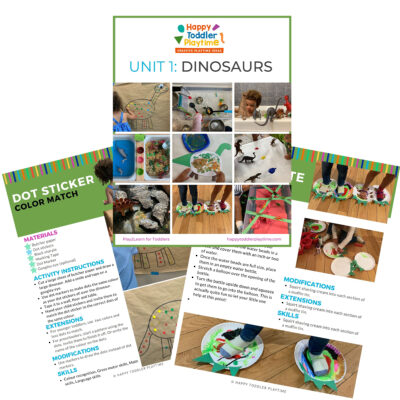
There is no limit to your toddler’s energy and curiosity. That energy and curiosity although a joy can be challenging at times. Their interest in just about everything around them is what makes them great learners. One and two year olds can soak up so much just from their senses!
But as a teacher or parent that thirst for learning can be exhausting. That is why I created this toddler and preschooler program. To help you get the most out of this time with your curious toddler without having to come up with creative ways to play and interact with them.
Play2Learn for Toddlers includes 20 Units for toddlers. Each 2-week toddler unit has 20 super easy to set up and engaging activities for toddlers 18 months to 3 years.
Play2Learn Preschool which includes 20 Units for preschoolers. Each 2-week preschoolers unit has 20 unique and easy to set up and engaging activities for preschoolers 3 years to 5 years. That’s over 800 learning activities for your toddler and preschooler at your fingertips! So many ideas you and your child will never be bored again!
These toddler and preschool lesson plans and activities will definitely keep you and your toddler and preschooler busy playing and learning!
Click here for more information: Play2Learn
Book: Exciting Sensory Bins for Curious Kids
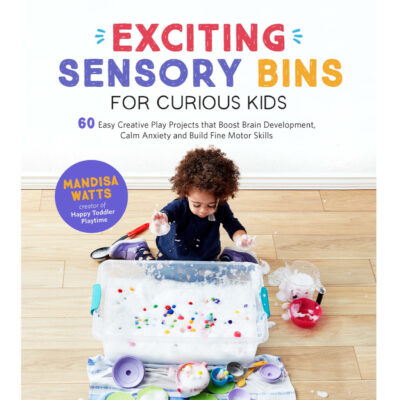
Did you know I wrote a book of sensory bins? Click here for more information Exciting Sensory Bin for Curious Kids. Or grab your copy at Amazon.
Boring afternoons are made exciting with awesome animal-based bins, like Salty Shark Bay or Yarn Farm. Pretend play bins like Birthday Cake Sensory Play or Bubble Tea Party encourage creativity and imagination. And your kids will have so much fun they won’t even know they’re getting smarter with STEAM (science, technology, engineering, art and math) activities like Sink or Float Soup, Magnetic Letter Hunt or Ice Cream Scoop and Count.
Designed for toddlers 18 months and up.
Book: Super STEAM Activity Book for Kids
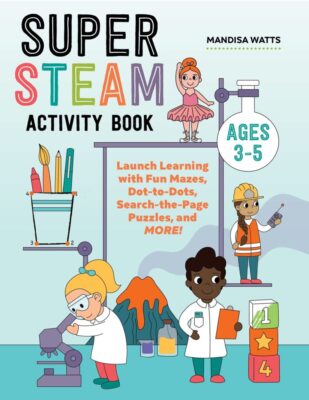
Learning all about science, technology, engineering, art, and math sets kids up for scholastic success―and it can be so much fun! Watch kids enjoy building STEAM skills as they color friendly fish, help water find its way to tree roots, solve math problems with mazes, and more.
Find out more and grab your copy here.
Designed for preschoolers 3 years old and up.
Book: Big Book of Riddles for Kids
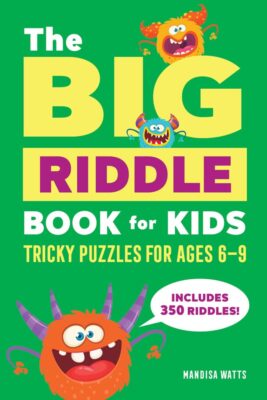
Riddle me this: What’s an exciting way to practice critical thinking while having a blast? The Big Riddle Book for Kids, of course! From hilarious puns to tough brain teasers, kids can build problem-solving skills with hundreds of riddles tha. t show them how to think outside the box.
- 350 riddles for kids—Have hours of fun with riddles, puns and jokes, and math and logic puzzles that’ll get their wheels turning!
- Level up their skills—Riddles get trickier as kids progress through the book, challenging them as they get better at solving puzzles!
- Double-check their work—Kids can check their answers in the back of the book with a handy answer key.
Help children expand their minds while having fun with this puzzle book for kids!
Designed for kids ages 6 years old and up.
TV Show: Curious Crafting
I’m so excited to share my crafting TV show Curious Crafting which launched in July 2022 on TVOkids and TVOkids YouTube! Season 2 aired in August 2023! My show was also nominated in 2023 for Best Live Action Preschool Series by the Youth Media Alliance Awards of Excellence.
Curious Crafting Season 1 is also now airing in Australia on ABC! Watch it here!
Set in the ultimate crafting space, Curious Crafting is a short form pre-school age series about the joy of making crafts. I lead a rotating cast of adorable little preschoolers (including my own) making magic out of common household objects.
In each episode we transform recycled items into magical crafts like a milk carton school bus, paper bag puppet or cotton pad turtle. The crafters learn and laugh their way through each activity while demonstrating what their young imaginations can create.
Curious Crafting shares the adventure and joy of making art with takeaway lessons for creating crafts at home.
This show designed for toddlers and preschoolers 2.5 years old and up.
Good rreading your post