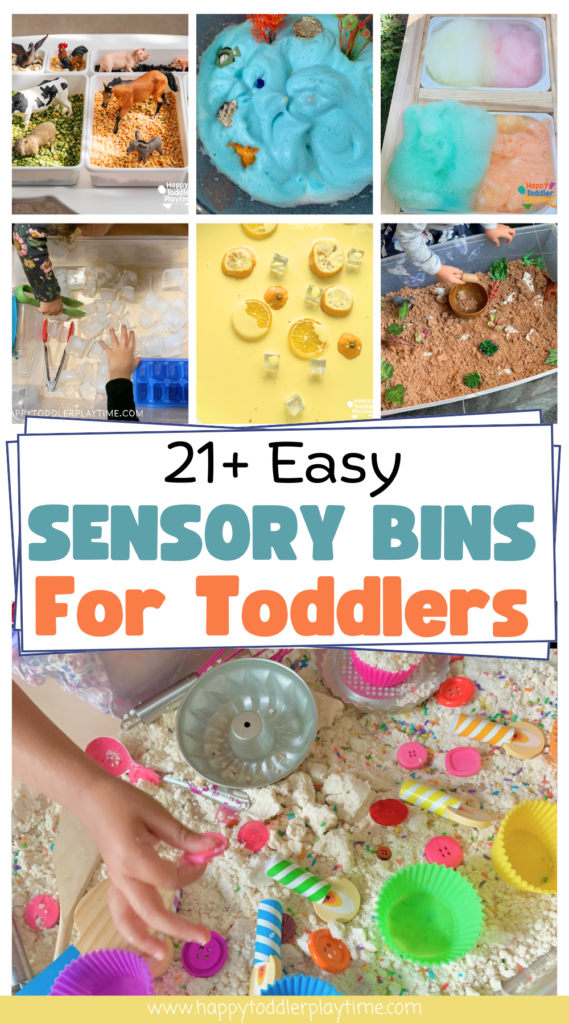

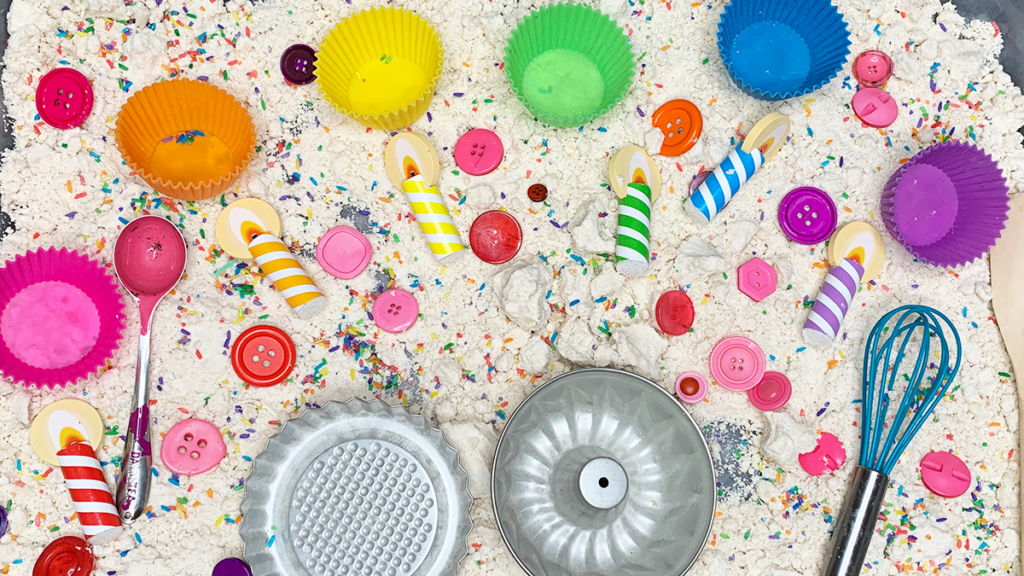
Updated 2026. Sensory bins for toddlers are one of those activities that look simple at first but quietly become a staple your daily play.
A container, a handful of materials, and suddenly kids are completely absorbed: scooping, pouring, sorting, and inventing their own little worlds (this is my favorite part!).
That kind of deep, focused play is exactly why I fell in love with sensory bins in the first place, and why I eventually wrote a book all about them!!!
After years of setting up sensory bins at home and seeing how powerfully they support calm, curiosity, and hands-on learning, I’ve learned that they don’t need to be complicated to be meaningful.
The best sensory bins invite exploration, leave room for creativity, and meet kids exactly where they are.
Here you’ll find everything you need to know to get started, including 21 easy sensory bins for toddlers with ideas and inspiration to make sensory bins a natural, joyful part of your toddler’s play.
Sensory Bin FAQs
1. What is a Sensory Bin?
What the heck is a sensory bin anyway??! A sensory bin is basically a container filled with various materials that stimulate one or more of the five senses. They let kids touch, see, smell, and sometimes hear different objects and substances. As a general rule to don’t include item that toddler are supposed to taste in sensory bins. Simply because I want to make a clear separation between playtime and mealtime.
That being said, the majority of the sensory bin options below are taste-safe with the exceptions of bubble foam, cloud dough, Pom Poms, shaving cream and paper.
Sensory bins are perhaps the one activity that I could set up for my toddlers that they were guaranteed to play with for hours and sometimes days!
But the reason why I still set up sensory bins even if they are not always played with for hours is because 99.9% of the time after they play with the sensory bin my toddlers would go and play independently on their own!
2. What container do I used for my sensory bin?
- Storage Tub: Ideal for larger or messier bins.
- Large Bowl: Perfect for quick setups and smaller activities.
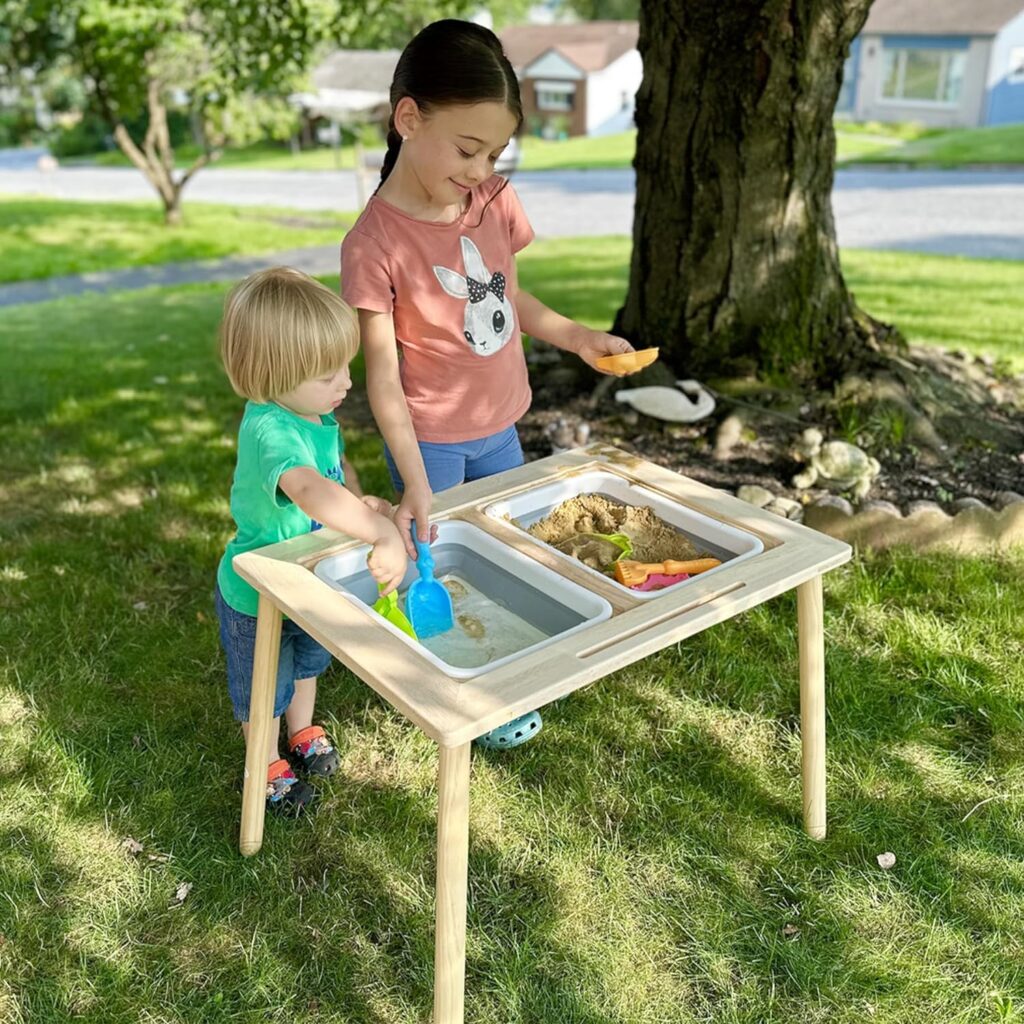
- Sensory Table: Great for regular sensory play and can be part of your child’s play area.
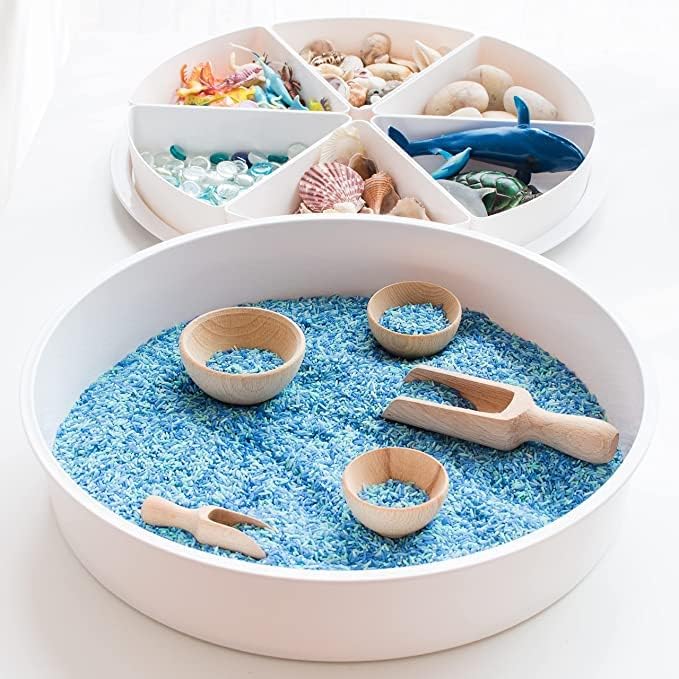
- Purchased Sensory Bin: These are ready-made options available in stores.
When it comes to sensory bins, the container you choose can be just as important as the items inside it. Fortunately, there’s a wide range of options available, each offering its own unique benefits and experiences. The key is to select a container that best suits the age of the child, the type of sensory play, and the space where it will be used.
One popular choice is a simple plastic storage bin. These bins come in various sizes and depths, making them versatile for different types of sensory activities. They’re lightweight, easy to clean, and can be stored conveniently. For smaller spaces or younger children, a shallow bin is ideal as it allows easy access while keeping the contents within reach.
For those who have more room or want a dedicated space for sensory play, a sensory table is an excellent investment. These tables are typically at the perfect height for toddlers and preschoolers to stand and play comfortably. Some sensory tables even come with sections or bins that can be filled with different materials, allowing for varied sensory experiences at once.
Or you can purchase a dedicated sensory bin such as this one. They are great for storing sensory bin items but can’t a bit pricey.
Large plastic under-bed storage containers can also be a great option, especially for more expansive sensory activities, like creating a mini beach or a small garden. Their low height makes them accessible for children to play while seated, and they can easily slide under a bed for storage.
Don’t overlook household items like large mixing bowls or baking trays. These are perfect for quick, small-scale sensory activities. A baking tray, for instance, can be an excellent base for magnetic or themed sensory play. Plus, it’s easy to set up and clean up, which is always a bonus for busy parents and caregivers.
Remember, the goal of the container is to safely contain the sensory materials while giving the child enough room to explore and play. Whichever container you choose, ensure it’s sturdy, safe (with no sharp edges), and easily washable. With the right container, sensory bins can provide endless hours of educational and exploratory fun for ch
3. What tools can I use in sensory bins?
- Tweezers and Tongs: Great for picking up small items, enhancing fine motor skills and hand-eye coordination.
- Scoops and Spoons: Useful for digging, scooping, and transferring materials from one place to another, fostering coordination and control.
- Measuring Cups and Spoons: Introduce concepts of measurement and volume, encouraging mathematical thinking.
- Funnel: Helps in pouring activities, teaching kids about gravity and cause-effect relationships.
- Small Containers or Cups: Can be used for sorting, filling, and emptying, which is excellent for cognitive development.
- Shovels: Perfect for digging in sensory bins with sand, rice, or beans, promoting imaginative play.
- Sifters and Strainers: Encourage exploration of textures and separation of materials, enhancing sensory discovery.
- Pipettes or Droppers: Great for water play, helping to develop fine motor skills and coordination.
- Magnifying Glass: Allows children to explore materials up close, fostering curiosity and observation skills.
- Toy Figures or Objects: Such as animals, cars, or dolls, to encourage imaginative and thematic play within the sensory bin.
4. Is my child old enough for sensory bins?
Babies: Sensory bin play can begin in the baby stage with age-appropriate toys and materials. For babies, use large items that are safe for mouthing and easy to grasp. Examples include large, soft blocks or squishy toys in a shallow bin.
Toddlers: For toddlers, sensory bins should look much like sensory bins for babies but include more tools such as scoopers, spoons shovels. These bins help toddlers develop their fine motor skills and introduce them to new textures.
Preschoolers: At this stage, sensory bins can become more complex. Include materials like rice, beans, or water beads for them to scoop, pour, and sift. You can start to add slightly smaller items like pom poms and large beads.
Kindergartners and Older Kids: For these age groups, sensory bins can be themed for educational purposes like a ‘nature exploration’ bin with leaves, twigs, and stones or a ‘mini archeological dig’ with sand and hidden treasures.
5. How do I save sensory bin fillers?
- Use large ziplock bags to store sensory bin fillers such as coloured rice or split green peas.
- Buy your supplies in bulk or at the dollar store to save.
6. How do I contain the mess?
When it comes to letting your toddler or preschooler play in a sensory bin it’s better to find a balance between letting them play and being prepared for a little mess and setting firm rules. I achieve that balance I like to tape down a large plastic table cloth underneath the sensory bin and play area.
That way when wayward rice fly out of the bin you don’t panic because cleaning it up is as simple as picking up the plastic table cloth and tossing it.
The other half has to do with making sure your little one understands the golden rule of sensory bin play: the fillers stay inside the sensory bin.
Sensory Bins for Toddlers
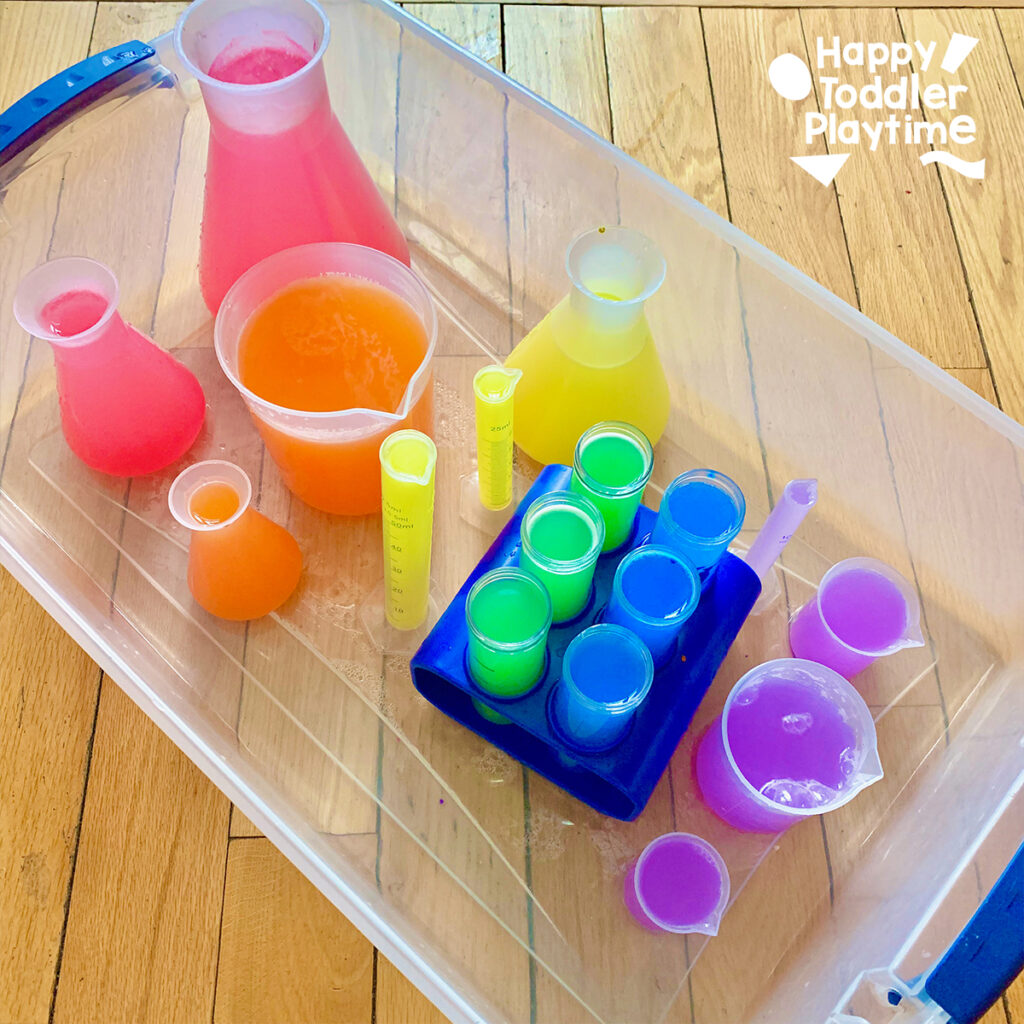
1. Colored Water
Engaging and easy water play is always a winner with toddlers. Use a drop of food coloring (taste-safe option) or washable paint to add color to the water and let toddlers explore color and mixing colors to create new ones!
2. Baking Soda and Vinegar
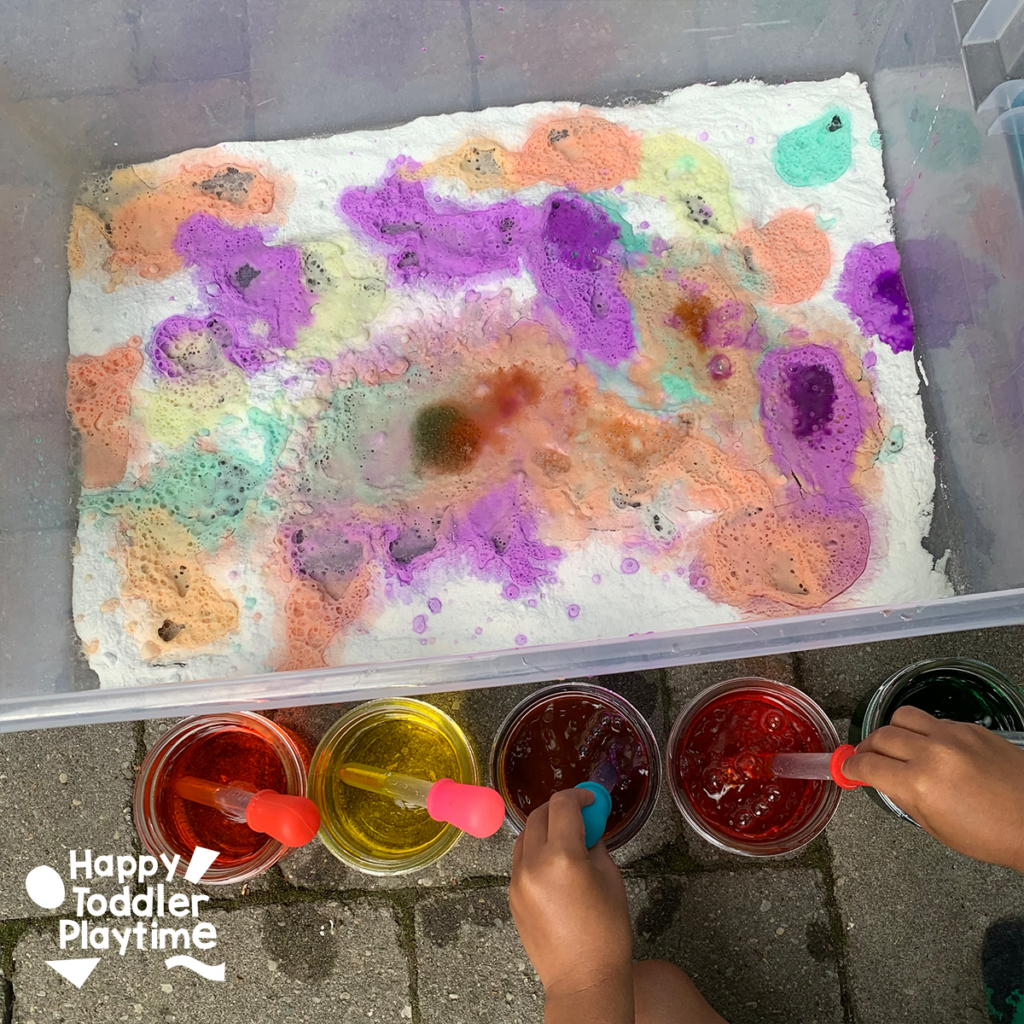
Fizzy sensory experiences can feel magical and were an absolute favorite with all my kids. Create gentle reactions or full throated explosions for a fun mix of sensory play and science. These ideas are sure to to be fan favorites with your toddler:
3. Water Play
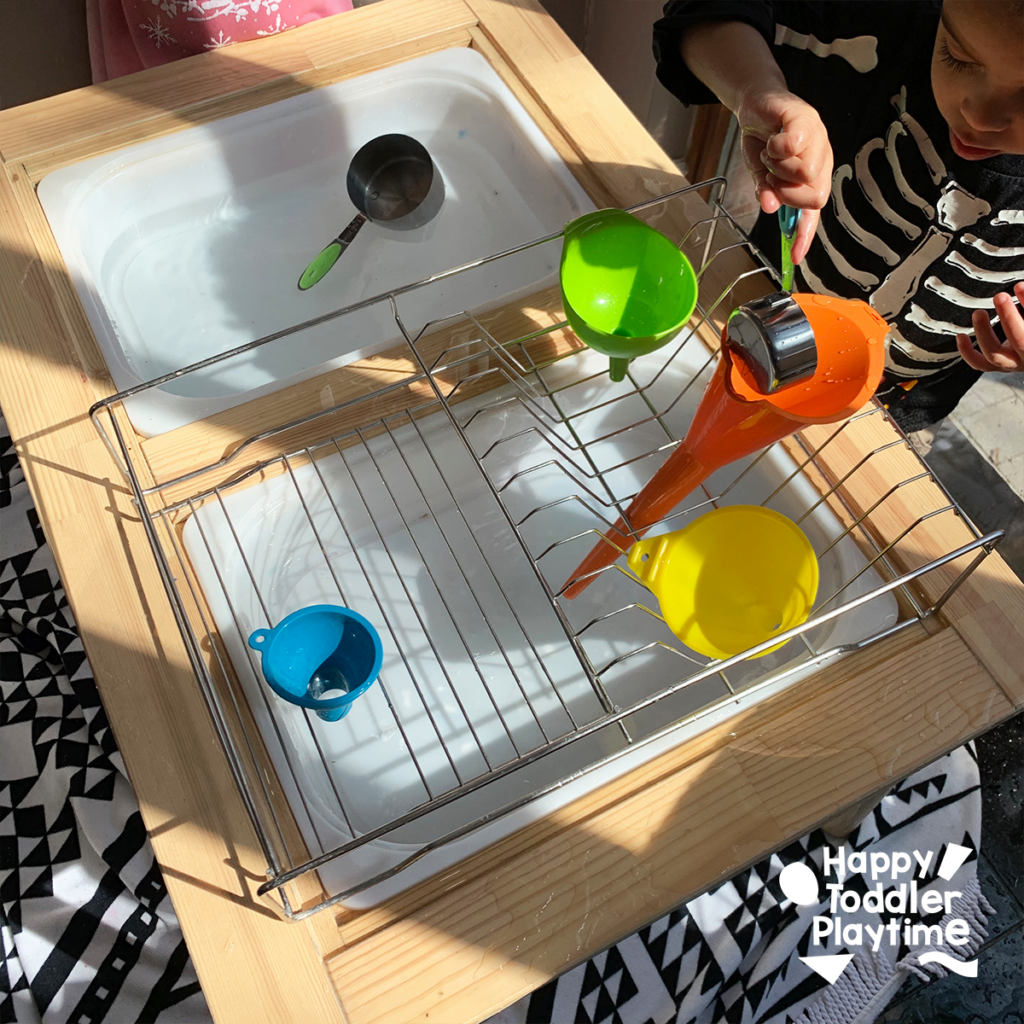
Water is a classic sensory bin that builds coordination and focus through pouring, splashing, and transferring water. Add things like funnels, bath toys or fruit for a sensory bin that is perfect indoors and outdoors. My toddlers enjoyed set ups like these:
4. LEGO DUPLO Sensory Bin
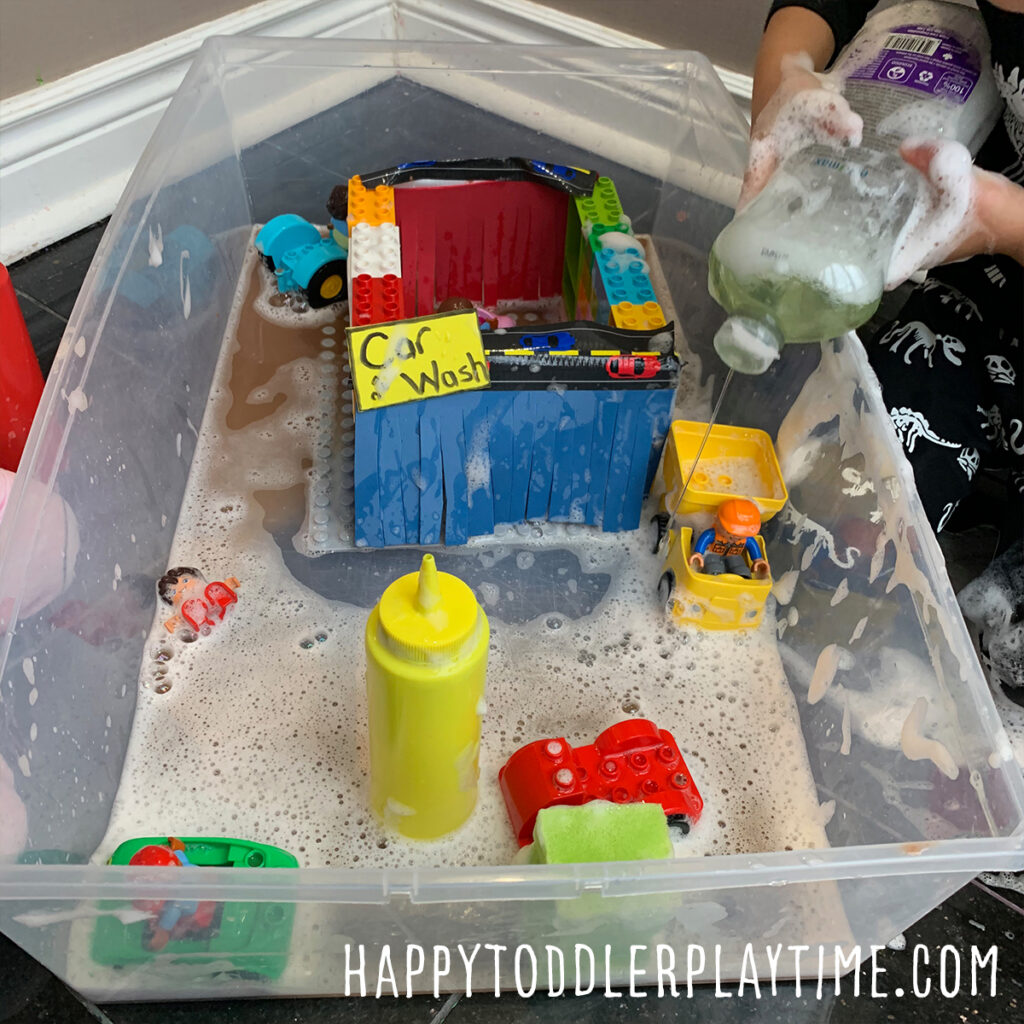
Some of my favorite all time sensory bins use LEGO DUPLO. Create something with LEGO DUPLO and then add water. A recipe for endless play. Add bubbles for a fun car wash or freeze LEGO DUPLO for a great science themed sensory bin. Skip the soap and use bubble bath for a taste-safe option. Your toddler will enjoy these ideas:
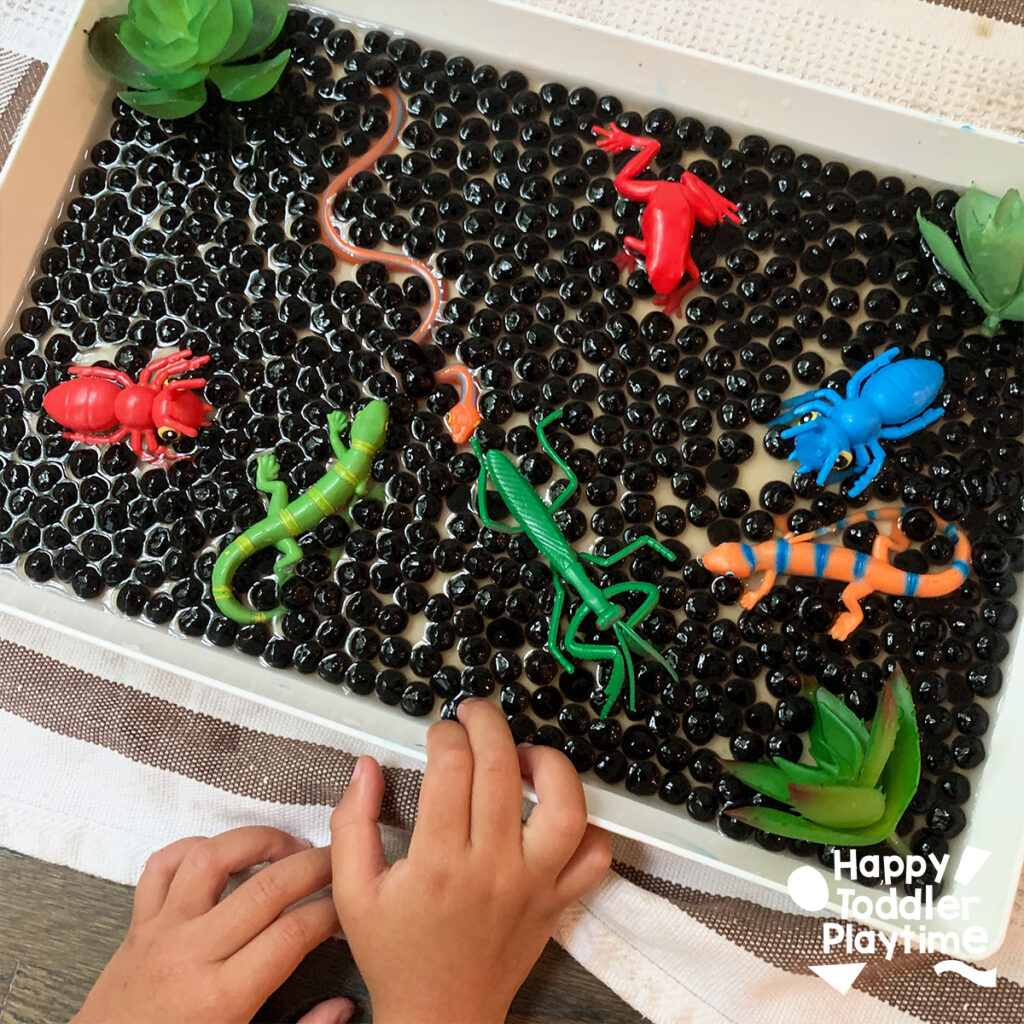
5. Taste-Safe Water Beads
We stopped using regular water beads but I never stopped loving the texture of water beads for sensory play. Instead we use tapioca pearls that offer the same sensory appeal without the chocking hazard.
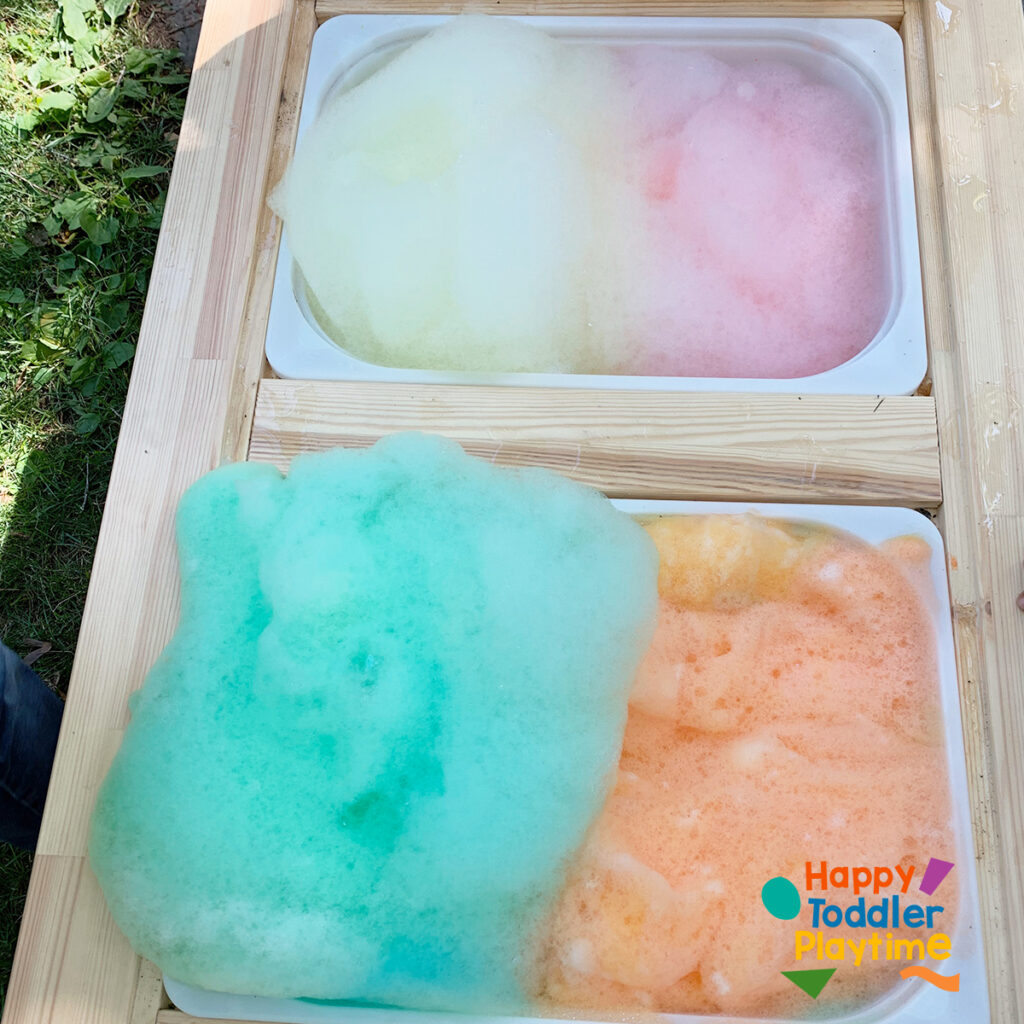
6. Bubble Foam
Want to draw your toddler in instantly? Try bubble foam. Use tear free bubble bath for younger toddlers and a hand blender to create thick frothy fun. Add bowls, spoons and trucks. Looking for a taste safe bubble foam option? Check out the taste-safe bubble foam option below.
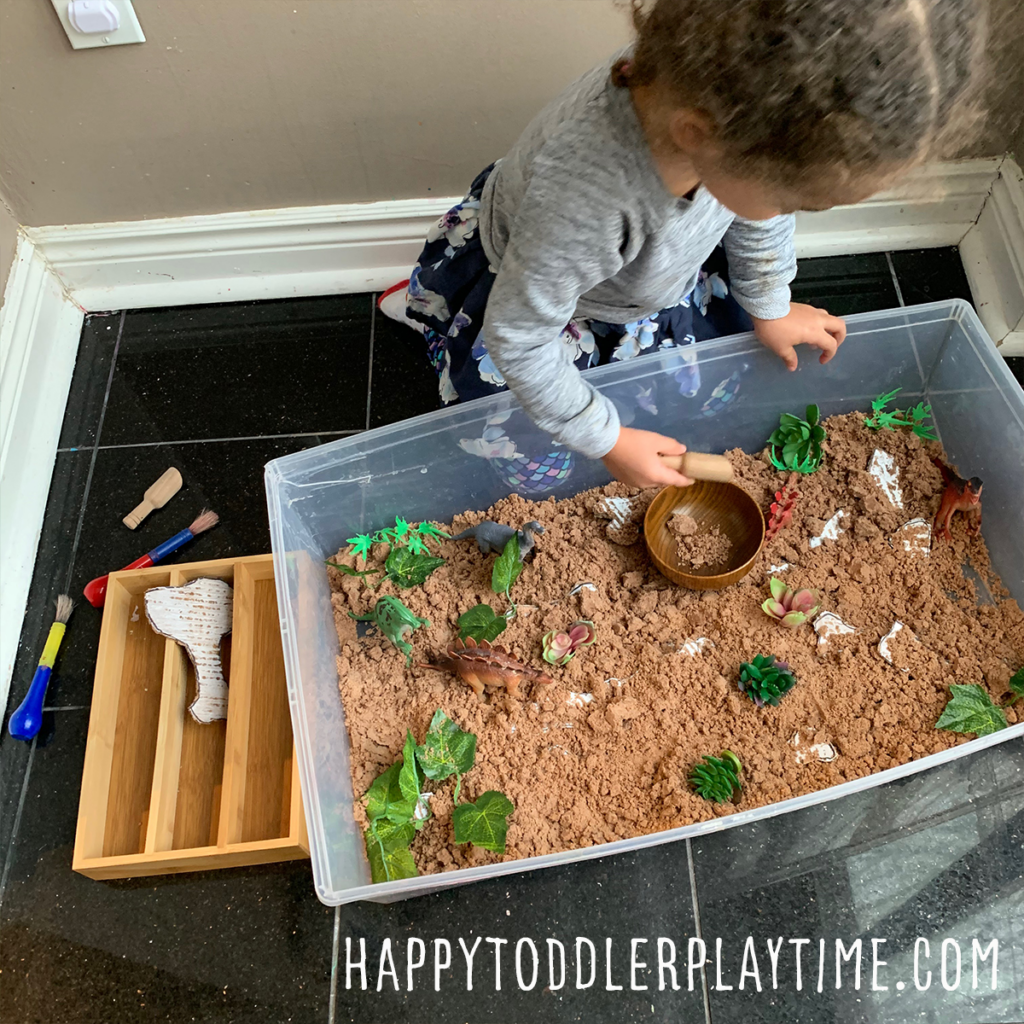
7. Cloud Dough
It’s soft and crumbly and kept my toddlers calm and focused for hours. Cloud dough comes together so quickly with just two ingredients. It’s the perfect sensory filler for dinosaur digs or bakery banquets! Your toddler is share to love these ideas:
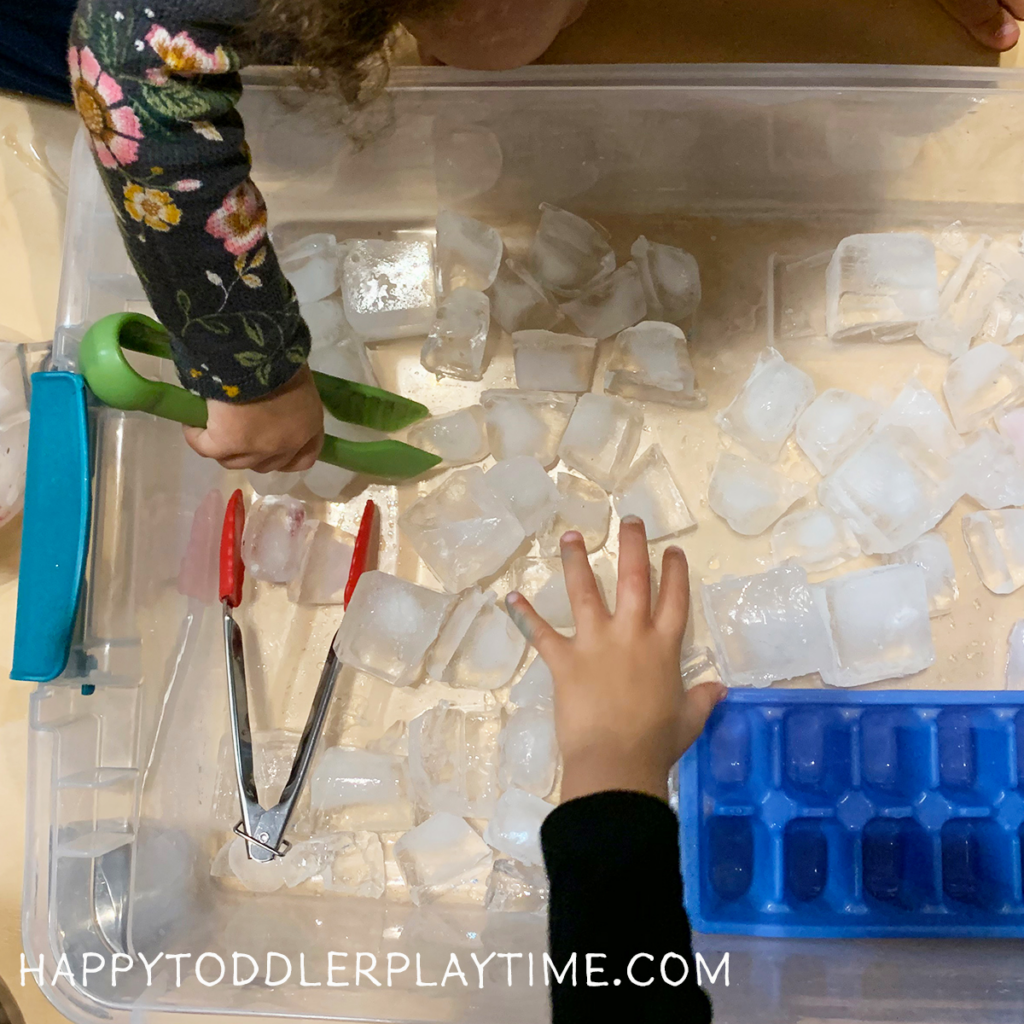
9. Ice Sensory Bin
Much like water sensory bins, those using ice sensory bins are just as engaging and easy. A little secret of mine was to basically freeze anything that was waterproof overnight and then pop it into a sensory bin when I needed it. Here are a few ideas my toddlers enjoyed:
10. Rice Sensory Bin
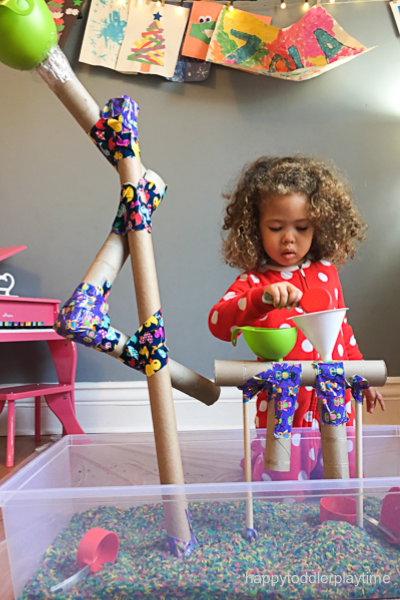
Rice sensory bins were a staple in our house during the toddler years. I set up the one in the picture below and she returned to again and again over several days. Add cardboard tubes and funnels for scoping and pour or dinosaurs or plastic Easter eggs.
11. Taste-Safe Bubble Foam
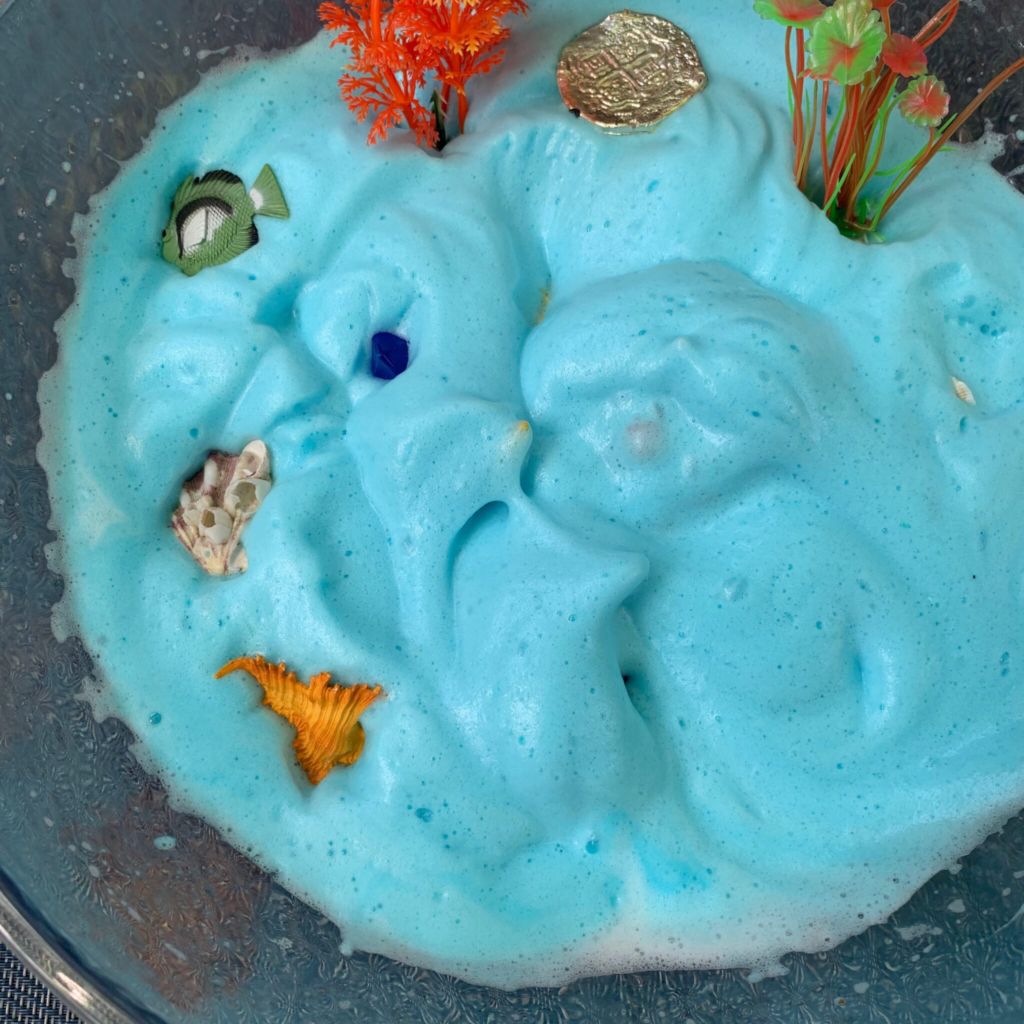
OK here is your taste-safe bubble foam option. It use chick pea water (I love crazy right). When you blend it up it create super thick brother waves! My toddlers went all in on this fluffy foam, and I loved how it felt without worrying about little tastes.
12. Oobleck
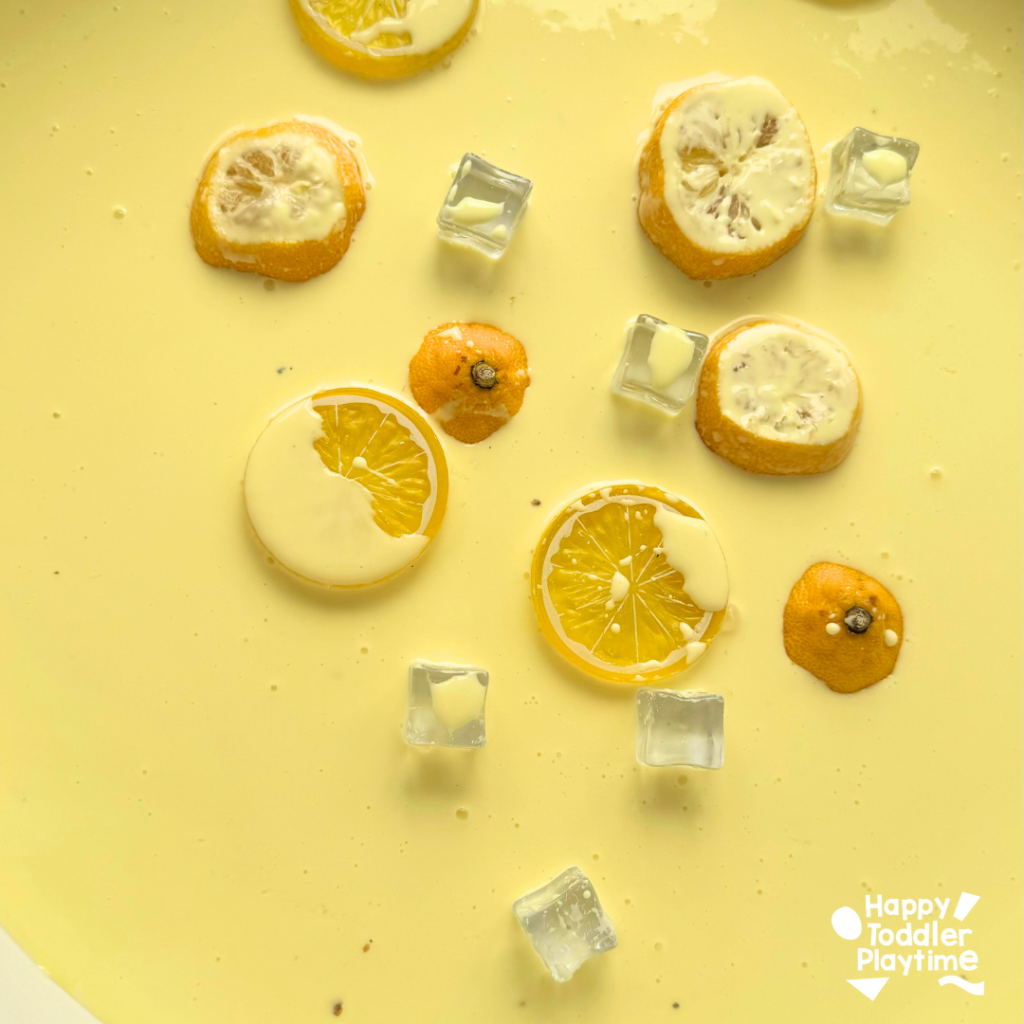
This is one of my favorites but it can get messy. The good this about oobleck is that once it dries it turn back into a powered so its super easy to clean up using a broom or vacuum. Just be sure not to put it down your drain. Watching my toddlers discover that oobleck could be squishy and solid was half the fun, and it sparked so much curious play. Your toddler will love these easy ideas:
13. Pom Pom Sensory Bin
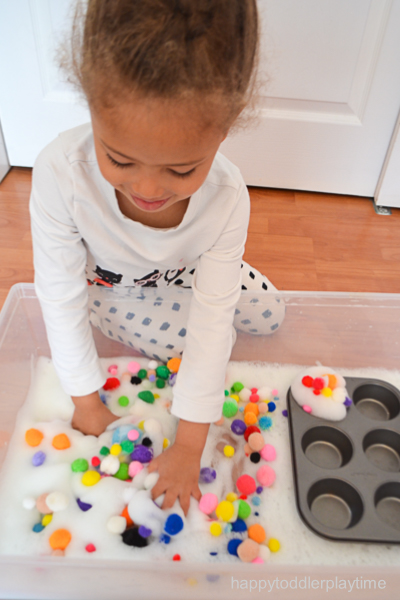
Pom Poms are really fun especially when you have a whole lot of them. Be aware they can still be a choking hazard so watch toddlers closely or skip with younger toddlers. These colorful bins turned into a sorting and transferring game my toddlers enjoyed, and it was one of the quickest setups ever.
14. Cereal Sensory Bin
Cereal is another easy taste-safe option for toddlers that they can easily scoop and pour. Making it one both fun and totally stress-free option. Choose Cheerios and add trucks or bowls and spoons for easy fun!
15. Oats Sensory Bins
Much like cereal oats are another easy taste-safe sensory bin option for toddlers. They always kept my toddlers quietly engaged with minimal cleanup. I loved how simple and budget-friendly it was to set up. You can even add cocoa powder for a little twist. Check out these ideas:
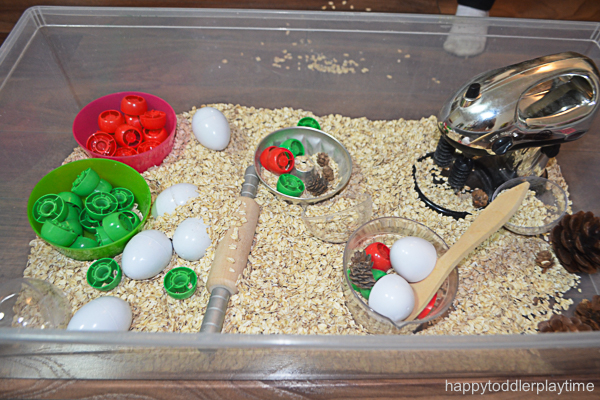
16. Nature Sensory Bins
Bringing the outdoors inside with sticks, leaves, and stones was an instant hit with my toddlers. Add water and you have a zero prep ideas that your toddler will love.
17. Toy Sensory Bins
Adding your toddlers favorite toys to a sensory bin can instantly make it exciting for them. Think bath toys and water, stuffed animals, cars, trains or Megabloks.
18. Sponges
Not something I’ve seen often, but adding sponges to your water sensory bin is so next level it needed its own category on this list. Simple grab some dollar store sponges the more the better and water. This one is great outdoors but can work inside too with the right amount of towel on the floor! And it doubled as great fine-motor practice.
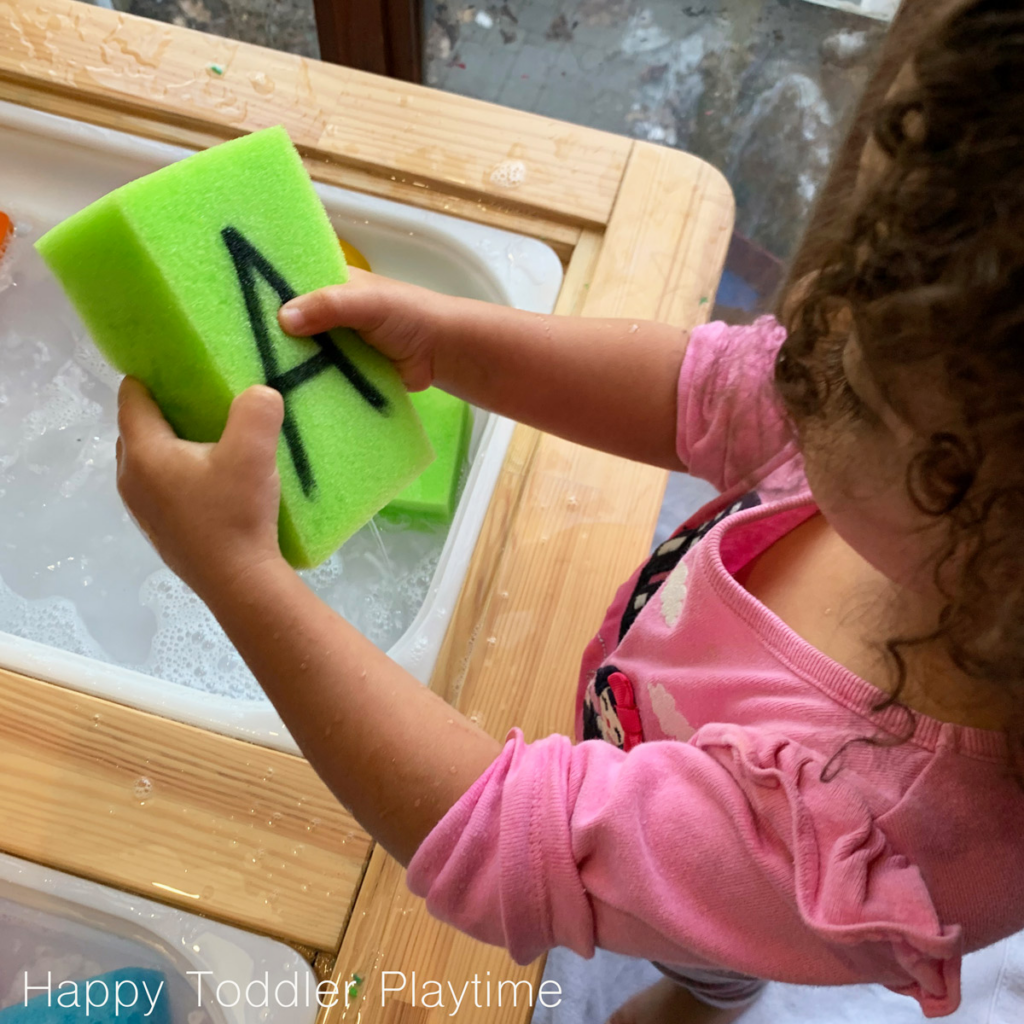
19. Shaving Cream Sensory Bins
Shaving cream sensory play is messy but surprisingly easy to clean up once dry and perfect for outdoor play. This one was a huge hit and they asked for it multiple times. Try pairing shaving cream with water for a soup exploration or dolls or even blue food coloring and sea creatures.
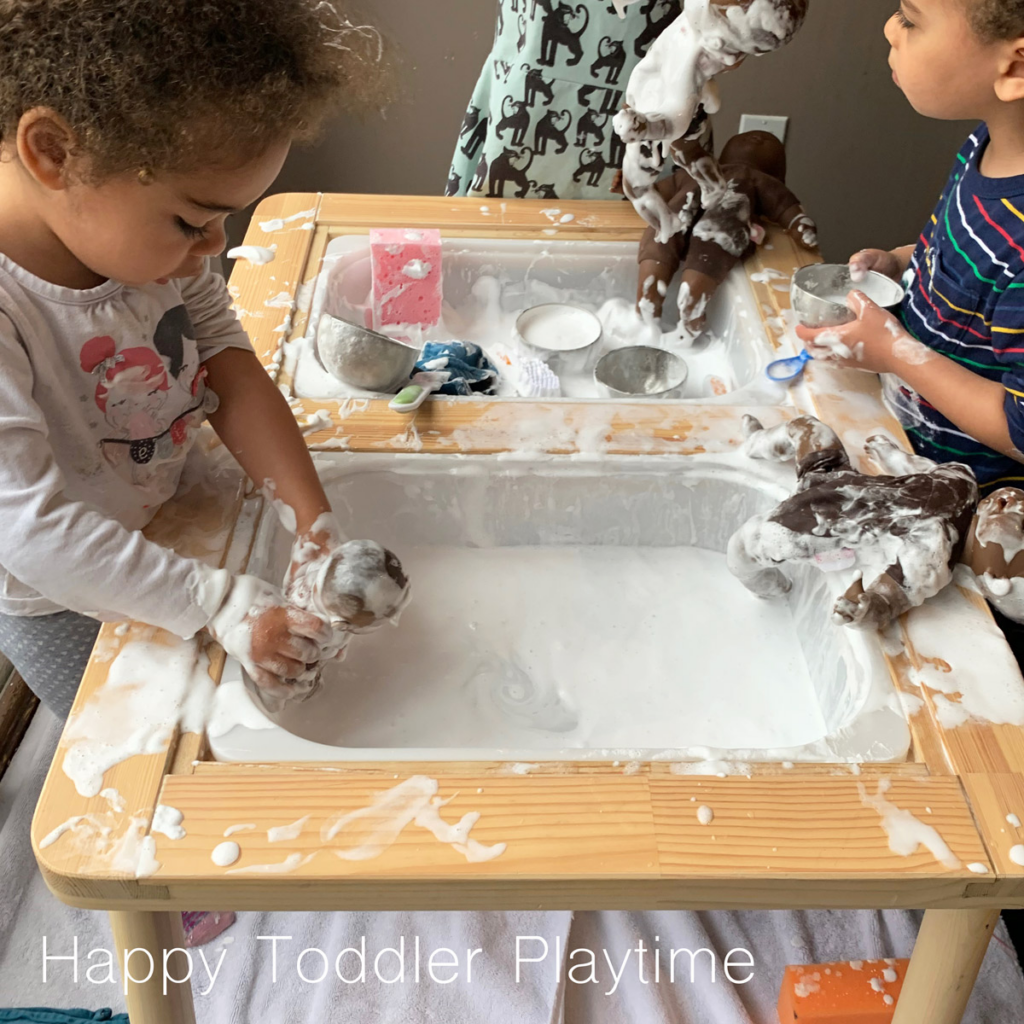
20. Pasta
Use different shapes and sizes, or even dye it for added visual interest. Dry pasta provides a crunchy texture, while cooked pasta offers a squishy feel. Find out how to dye pasta here.
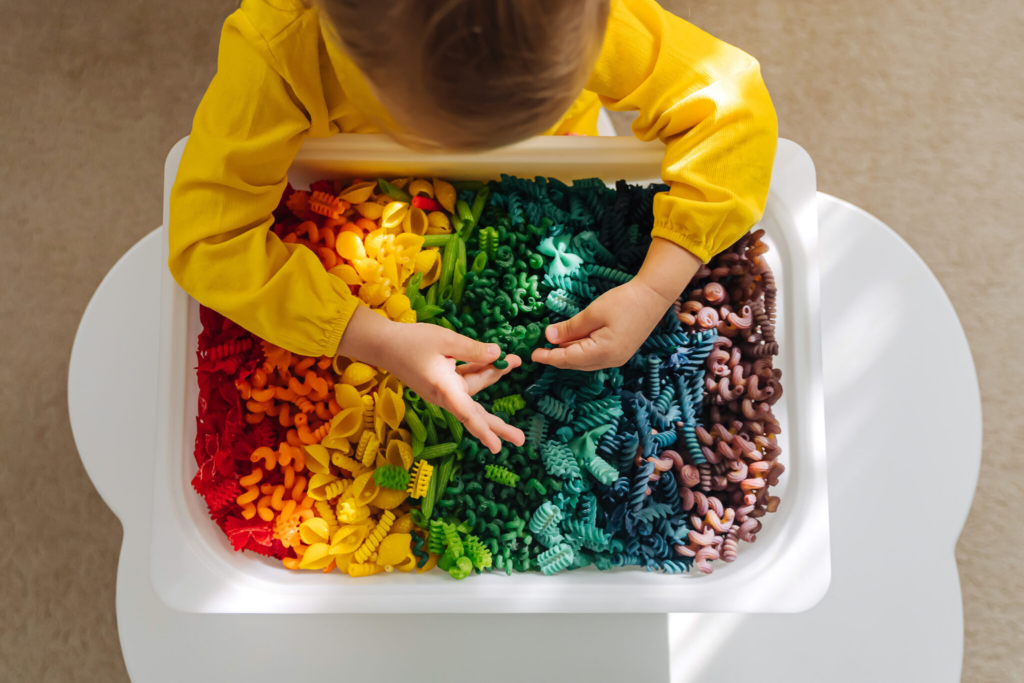
21. Shredded Paper
Shredded paper bins turned into treasure hunts! Hide toys or animals and let your toddler enjoy the new sensations. Be careful though this one can be very messy, easy to clean but paper will go everywhere. So embrace the mess!
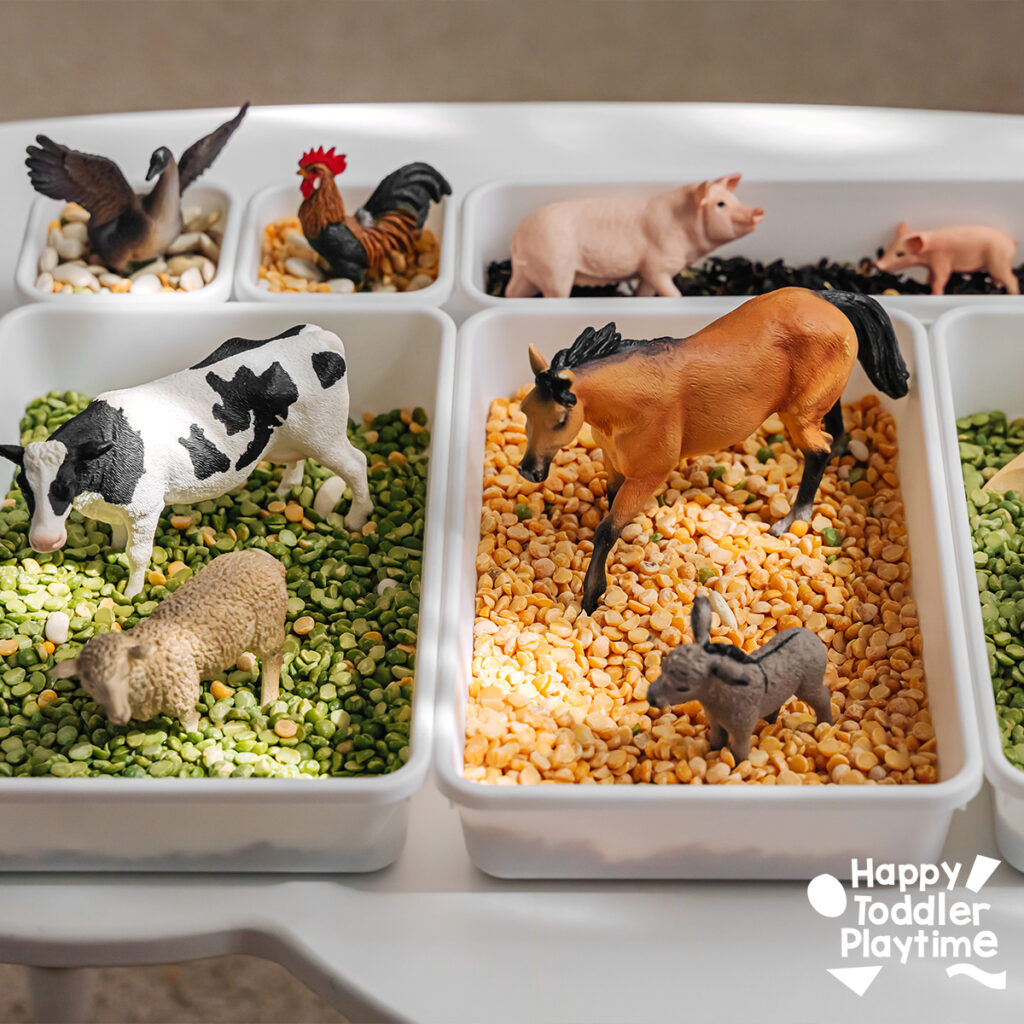
22. Lentils
Final sensory bin of toddler we have on out list is lentils! They aren’t just for eating. Use dried lentils with animals in small containers for the best sensory experience ever. Your toddlers will love it!
More Sensory Bins for Toddlers
- Water Sensory Bins
- Alphabet Sensory Bins
- Non-Food Sensory Bins
- Taste-Safe Sensory Bins
- Fall Sensory Bins
- Spring Sensory Bins
- Summer Sensory Bins
- Winter Sensory Bins
- Halloween Sensory Bins
Play2Learn Toddler & Preschool Programs for Curious Toddlers
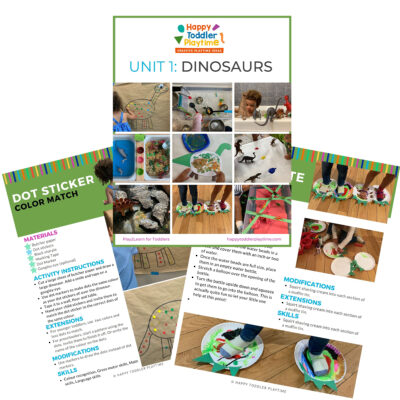
There is no limit to your toddler’s energy and curiosity. That energy and curiosity although a joy can be challenging at times. Their interest in just about everything around them is what makes them great learners. One and two year olds can soak up so much just from their senses!
But as a teacher or parent that thirst for learning can be exhausting. That is why I created this toddler and preschooler program. To help you get the most out of this time with your curious toddler without having to come up with creative ways to play and interact with them.
Play2Learn for Toddlers includes 20 Units for toddlers. Each 2-week toddler unit has 20 super easy to set up and engaging activities for toddlers 18 months to 3 years.
Play2Learn Preschool which includes 20 Units for preschoolers. Each 2-week preschoolers unit has 20 unique and easy to set up and engaging activities for preschoolers 3 years to 5 years. That’s over 800 learning activities for your toddler and preschooler at your fingertips! So many ideas you and your child will never be bored again!
These toddler and preschool lesson plans and activities will definitely keep you and your toddler and preschooler busy playing and learning!
Click here for more information: Play2Learn
Book: Exciting Sensory Bins for Curious Kids
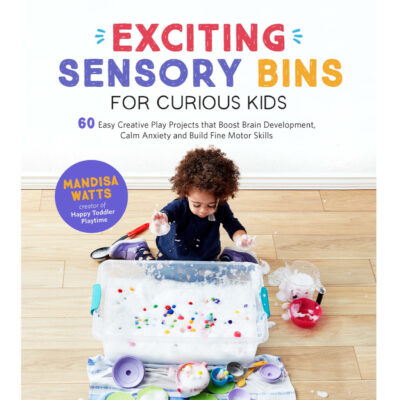
Did you know I wrote a book of sensory bins? Click here for more information Exciting Sensory Bin for Curious Kids. Or grab your copy at Amazon.
Boring afternoons are made exciting with awesome animal-based bins, like Salty Shark Bay or Yarn Farm. Pretend play bins like Birthday Cake Sensory Play or Bubble Tea Party encourage creativity and imagination. And your kids will have so much fun they won’t even know they’re getting smarter with STEAM (science, technology, engineering, art and math) activities like Sink or Float Soup, Magnetic Letter Hunt or Ice Cream Scoop and Count.
Designed for toddlers 18 months and up.
Book: Super STEAM Activity Book for Kids
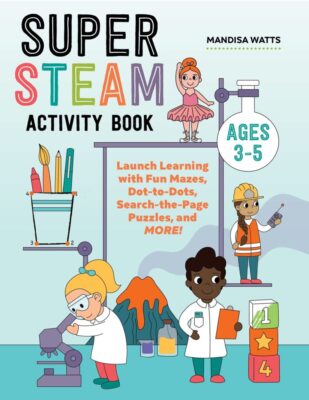
Learning all about science, technology, engineering, art, and math sets kids up for scholastic success―and it can be so much fun! Watch kids enjoy building STEAM skills as they color friendly fish, help water find its way to tree roots, solve math problems with mazes, and more.
Find out more and grab your copy here.
Designed for preschoolers 3 years old and up.
Book: Big Book of Riddles for Kids
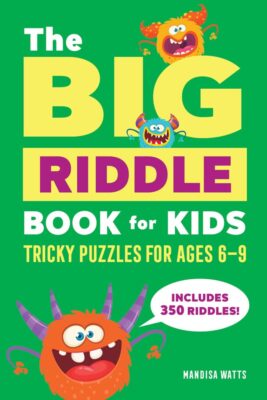
Riddle me this: What’s an exciting way to practice critical thinking while having a blast? The Big Riddle Book for Kids, of course! From hilarious puns to tough brain teasers, kids can build problem-solving skills with hundreds of riddles tha. t show them how to think outside the box.
- 350 riddles for kids—Have hours of fun with riddles, puns and jokes, and math and logic puzzles that’ll get their wheels turning!
- Level up their skills—Riddles get trickier as kids progress through the book, challenging them as they get better at solving puzzles!
- Double-check their work—Kids can check their answers in the back of the book with a handy answer key.
Help children expand their minds while having fun with this puzzle book for kids!
Designed for kids ages 6 years old and up.
TV Show: Curious Crafting
I’m so excited to share my crafting TV show Curious Crafting which launched in July 2022 on TVOkids and TVOkids YouTube! Season 2 aired in August 2023! My show was also nominated in 2023 for Best Live Action Preschool Series by the Youth Media Alliance Awards of Excellence.
Curious Crafting Season 1 is also now airing in Australia on ABC! Watch it here!
Set in the ultimate crafting space, Curious Crafting is a short form pre-school age series about the joy of making crafts. I lead a rotating cast of adorable little preschoolers (including my own) making magic out of common household objects.
In each episode we transform recycled items into magical crafts like a milk carton school bus, paper bag puppet or cotton pad turtle. The crafters learn and laugh their way through each activity while demonstrating what their young imaginations can create.
Curious Crafting shares the adventure and joy of making art with takeaway lessons for creating crafts at home.
This show designed for toddlers and preschoolers 2.5 years old and up.